
Step Pyramid of Djoser | Discover Egypt’s Oldest Pyramid in Saqqara
Egypt is home to some of the most iconic architectural wonders in the world, yet long before the famous pyramids of Giza were built, a revolutionary structure changed the course of history forever—the Step Pyramid of Djoser. Located in the ancient necropolis of Saqqara, this remarkable monument is considered the first pyramid ever constructed in Egypt, marking the beginning of monumental stone architecture on a massive scale.
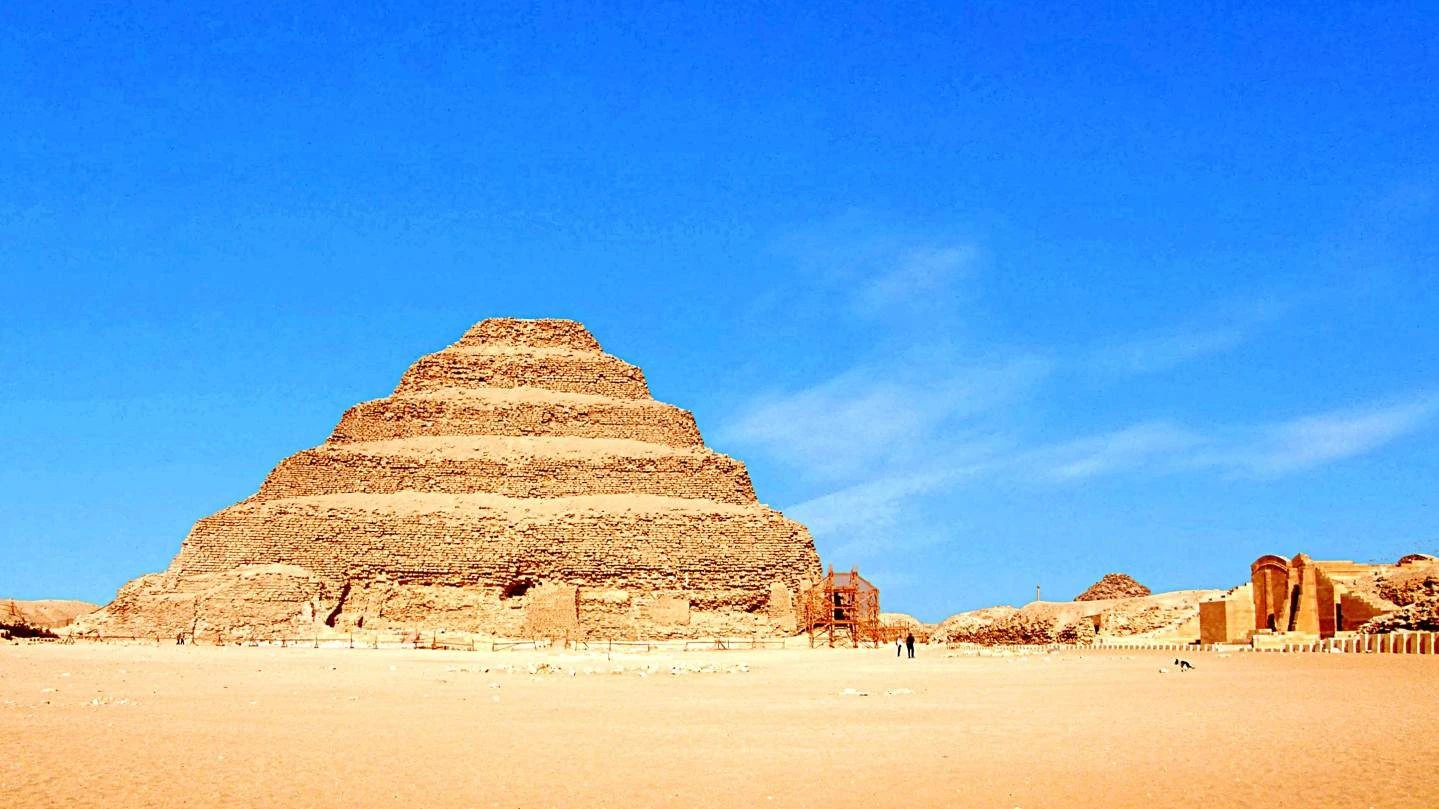
For travellers exploring Egypt’s rich archaeological heritage, the Step Pyramid of Djoser offers a unique opportunity to witness the origins of pyramid construction. Unlike the smooth-sided pyramids that came later, this structure features a distinctive stepped design that reflects an early stage in the evolution of pyramid architecture.
Many visitors searching for historical Cairo attractions or planning a Saqqara tour are drawn to the Step Pyramid of Djoser because of its historical significance and architectural innovation. It represents the moment when ancient Egyptian builders transitioned from simple burial structures to monumental pyramids that would later define Egypt’s global identity.
Exploring Saqqara and its surrounding sites can be overwhelming without proper guidance, especially for travellers unfamiliar with Egypt’s ancient history. This is where travel specialists such as Traviaz help create a seamless and enriching experience. By combining expert Egyptologist guides with carefully designed itineraries, Traviaz allows visitors to explore the Step Pyramid of Djoser alongside other important sites while gaining deeper insight into the early development of Egyptian civilization.
For anyone interested in the origins of pyramids and the evolution of ancient architecture, the Step Pyramid of Djoser stands as one of the most important and fascinating landmarks in Egypt.
Who Was Pharaoh Djoser?
To fully appreciate the importance of the Step Pyramid of Djoser, it is essential to understand the pharaoh behind this groundbreaking project.
Djoser ruled during the Third Dynasty of the Old Kingdom, around the 27th century BCE. He is considered one of the most significant early rulers of ancient Egypt, primarily because of the architectural achievements associated with his reign.
Before Djoser’s time, Egyptian rulers were typically buried in structures known as mastabas, which were flat-roofed, rectangular tombs made from mudbrick. However, Djoser’s reign marked a turning point in burial practices, leading to the construction of the first pyramid.
Djoser’s legacy is closely linked to the creation of the Step Pyramid of Djoser, which served as his final resting place. This structure not only reflected his power and authority but also introduced a new architectural concept that would influence Egyptian construction for centuries.
Where Is the Step Pyramid of Djoser Located?
The Step Pyramid of Djoser is located in Saqqara, one of the most important archaeological sites in Egypt.
Saqqara lies approximately 30 kilometres south of Cairo, near the ancient city of Memphis, which served as the capital of Egypt during the Old Kingdom. The area functioned as a vast necropolis used for royal and noble burials for thousands of years.
The Saqqara plateau contains numerous tombs, pyramids, and temples, but the Step Pyramid of Djoser remains its most prominent landmark.
Visitors exploring Saqqara often combine a visit to the Step Pyramid of Djoser with other nearby attractions, such as:
- The Serapeum of Saqqara
- The tombs of nobles
- The ruins of Memphis
This makes Saqqara one of the most rewarding day trips from Cairo.
The History of the Step Pyramid of Djoser
The Step Pyramid of Djoser was built around 2630 BCE, making it one of the oldest large-scale stone structures in the world.
Originally, the structure began as a traditional mastaba. However, during construction, the design was expanded and modified into a series of stacked mastabas, creating the distinctive stepped appearance that defines the pyramid today.
This transformation marked a revolutionary moment in architectural history. The Step Pyramid of Djoser became the first structure to use large-scale cut stone in such an ambitious design.
The pyramid stands approximately 62 meters high and consists of six layers, each smaller than the one below it. This tiered structure represented an early attempt to reach the heavens, symbolizing the pharaoh’s divine ascent to the afterlife.
Imhotep – The Architect Behind the Pyramid
One of the most fascinating aspects of the Step Pyramid of Djoser is the genius behind its design—Imhotep.
Imhotep served as the royal architect, priest, and advisor to Pharaoh Djoser. He is widely regarded as the first named architect in history, making his contribution to ancient Egyptian architecture even more remarkable.
Imhotep’s design for the Step Pyramid of Djoser introduced several groundbreaking innovations, including:
- The use of stone instead of mudbrick
- Multi-layered construction
- A complex architectural layout surrounding the pyramid
His achievements were so significant that he was later deified and worshipped as a god of wisdom and medicine.
Architecture of the Step Pyramid of Djoser
The Step Pyramid of Djoser is not only important historically but also architecturally. Its design represents a major leap forward in engineering and construction techniques.
Six-Tier Structure
The pyramid consists of six distinct levels stacked on top of each other, creating its unique stepped appearance.
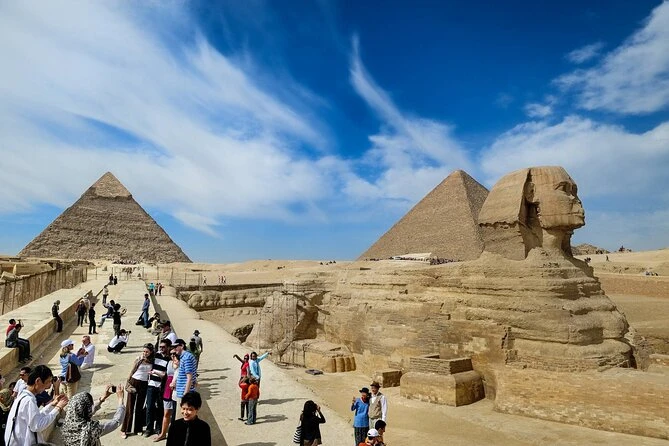
This design reflects the transition from traditional mastaba tombs to the smooth-sided pyramids that would later appear at Giza.
Limestone Construction
The Step Pyramid of Djoser was built using limestone blocks, marking one of the earliest uses of stone as the primary building material in large-scale construction.
This innovation set the foundation for future pyramid construction across Egypt.
Surrounding Complex
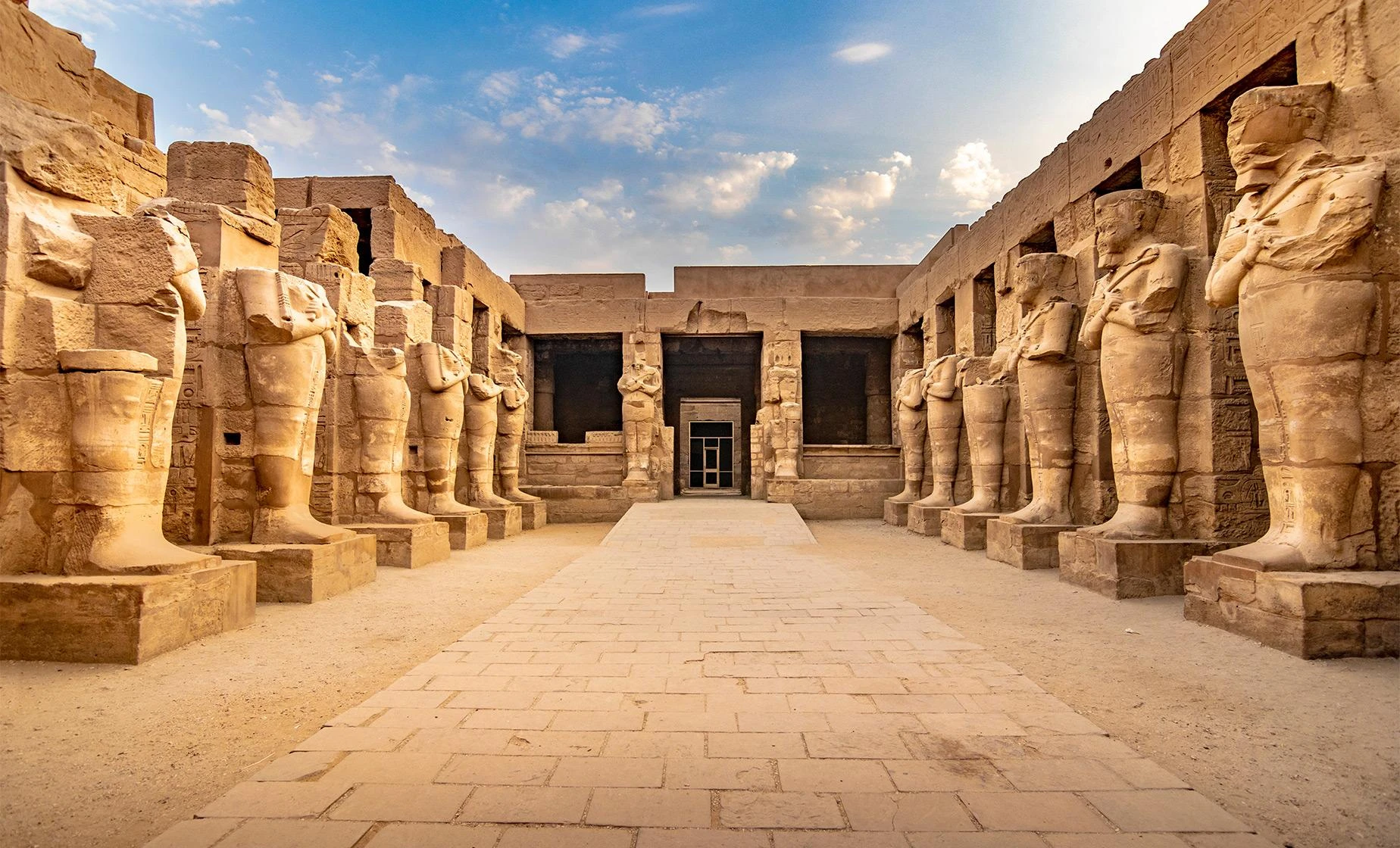
The pyramid is part of a vast funerary complex that includes courtyards, temples, and ceremonial structures.
This complex was designed to serve both religious and symbolic purposes, representing the pharaoh’s journey into the afterlife.
The Pyramid Complex of Djoser
The Step Pyramid of Djoser is surrounded by an extensive architectural complex that covers more than 15 hectares.
This complex includes:
- Large ceremonial courtyards
- Religious temples
- Stone walls with decorative entrances
- Ritual spaces for royal ceremonies
One of the most interesting features of the complex is the Heb-Sed courtyard, which was used for royal rituals that symbolized the renewal of the pharaoh’s power.
The entire complex was carefully designed to reflect the religious beliefs of ancient Egyptians and their understanding of life, death, and the afterlife.
Why the Step Pyramid of Djoser Is So Important
The Step Pyramid of Djoser holds a unique place in the history of architecture and civilization.
It is considered:
- The first pyramid ever built
- The beginning of large-scale stone construction
- A turning point in Egyptian burial practices
Without the innovations introduced in the Step Pyramid of Djoser, the later pyramids of Giza may never have been built.
For this reason, the structure is often described as one of the most important monuments in human history.
Visiting the Step Pyramid of Djoser Today
Today, the Step Pyramid of Djoser is one of the most popular archaeological sites near Cairo.
Visitors can explore the pyramid complex and learn about its history, architecture, and significance.
Many tours to Saqqara include the Step Pyramid of Djoser as a central highlight, often combined with visits to nearby sites.
Because the area contains multiple historical landmarks, visiting with an expert guide can greatly enhance the experience.
Best Time to Visit the Step Pyramid of Djoser
The best time to visit the Step Pyramid of Djoser is during the cooler months between October and April.
Early morning visits are recommended, as temperatures are lower and the site is less crowded.
This allows travellers to explore the pyramid complex more comfortably and enjoy the surroundings.
Why Explore Saqqara with Traviaz
Exploring historical sites like the Step Pyramid of Djoser is far more meaningful with expert guidance.
Traviaz specializes in creating immersive Egypt travel experiences that combine historical knowledge with seamless travel planning.
With professional Egyptologist guides, carefully curated itineraries, and comfortable transportation, Traviaz ensures that visitors can fully appreciate the significance of the Step Pyramid of Djoser and other nearby monuments.
Travelling with Traviaz allows visitors to move beyond simple sightseeing and gain a deeper understanding of ancient Egyptian civilization.
FAQs About the Step Pyramid of Djoser
How old is the Step Pyramid of Djoser?
The pyramid was built around 2630 BCE, making it over 4,600 years old.
Why is the Step Pyramid of Djoser important?
It is the first pyramid ever built and represents a major advancement in architectural history.
Can visitors enter the pyramid?
In some cases, visitors can enter parts of the pyramid, depending on current restoration and preservation conditions.
How long does it take to visit Saqqara?
Most visitors spend 2–4 hours exploring Saqqara, including the Step Pyramid of Djoser.
Conclusion
The Step Pyramid of Djoser stands as one of the most important landmarks in the history of architecture and ancient civilization. As the first pyramid ever built, it represents a revolutionary moment that shaped the future of monumental construction in Egypt.
From its unique stepped design to its vast surrounding complex, the Step Pyramid of Djoser offers travellers a fascinating glimpse into the early development of ancient Egyptian society.
With expert guidance and carefully planned itineraries, travel specialists such as Traviaz help visitors explore this remarkable site alongside other treasures of Saqqara, transforming a simple visit into a meaningful journey through history.
For anyone interested in the origins of pyramids and the evolution of ancient Egyptian architecture, the Step Pyramid of Djoser remains an unforgettable destination.