
The journey to Abu Simbel from Aswan itself is part of the experience. The modern city of Aswan transforms gradually into expansive golden sands as you pass through the Nubian desert. Early in the morning, you'll enjoy the quiet of the desert and watch the sunrise from your window. An experience some tourists miss out on when they start the trip late.
At the site, you will be greeted by the colossal statues of Ramesses II and the three gods, Amin, Ra-Horakhty, and Path at the Great Temple. Inside the temple, soak in the view of eight Ostrid statues, all with Ramses’ face, along the corridor. At the back, you get to see Ramses again at the Solar sanctuary, seated with the 3 gods, Ptah, Ra-Horakhty, and Amun.
Just beside the Great Temple, you will see the intricately carved temple called the Small Temple due to its smaller size. It was dedicated to Queen Nefertari, Ramesses II’s first wife, which is why it is also called the Temple of Hathor. At Nefertari's Temple, you'll see six statues, 4 of which are Ramses and two of Nefertari herself.
Take in the carvings on the walls, capturing the histories of Ramses’ reign. Our expert Egyptologist guide at TRAVIAZ will delightfully tell you the intriguing stories of Ramses' ambitions.
You'll be interested to know that the temples were not originally at the current site. From 1964 to 1968, they were relocated to higher grounds, Northwest by a UNESCO-led team when the High Dam creation threatened the existence of the monuments.
After your tour, enjoy a shopping spree back at the packing lot where locals sell papyrus art, scarves, mini statues, and other Egyptian souvenirs.
Explore one of the most significant ancient masterpieces of Egypt with TRAVIAZ on a memorable one-day trip to Abu Simbel where two of the most brilliantly constructed rock-cut temples are located Carved more than 3,000 years ago during the reign of Pharaoh Ramesses II of the 19th Dynasty, these monumental temples stand today as a powerful symbol of ancient Egypt’s artistic brilliance, political ambition, and spiritual devotion. Designated a UNESCO World Heritage Site, Abu Simbel is located on the western bank of Lake Nasser, in southern Egypt.
Your exciting trip will begin early in the morningwhen our professional team at TRAVIAZ picks you up from your hotel in Aswan. Our expert Egyptologist from TRAVIAZ will travel with you through the Nubian Desert. Departing early in the morning offers a rare and peaceful experience that most tourists miss—watching the desert awaken at sunrise.
The first awe-inspiring sight that you will see as you drive to the place is the Abu Simbel Temple soaring above the landscape. The magnificent Abu Simbel Temples were commissioned by Pharaoh Ramesses II as a powerful statement of divine authority and imperial strength. These grandiose rock-cut temples are some of the greatest archaeological monuments of Egypt, depicting the strength, ambitions, and artistic capability of ancient Egypt. The Great Temple, inside, will leave you flabbergasted with giant sized accounts of some of the biggest military battles some of the biggest of the big military battles like the Battle of Kadesh- an event that saw the first documented peace treaty in the world.
Your guide will also explain the famous Abu Simbel Sun Festival, which takes place each year on February 22 and October 22, when sunlight reaches the inner sanctuary and illuminates the statues of Ramses II and the gods Amun, Ra-Horakhty, and Ptah--an extraordinary example of ancient astronomical precision.
Just beside the temple stands the Small Temple dedicated to Ramesses II’s beloved wife, Queen Nefertari, and the goddess Hathor. Interestingly enough, Queen Nefertari is depicted as the same height as the pharaoh, a great honor in ancient Egyptian art
You will, in all, see approximately half a dozen elegant statues gracing the façade, while the interior walls display beautifully preserved reliefs that glorify royal power, religion, and peace between king and queen.
In total, you will observe about six elegant statues gracing the façade, while the interior walls display beautifully preserved reliefs that celebrate royal power, devotion, and harmony between king and queen.
When you explore, your TRAVIAZ Egyptologist guide will bring the temples to life with interesting narratives of the reign of the king Ramesses, his military expeditions and the deeper symbolism carved into every wall.
You will also get to know about one of the greatest archaeological rescue operations in history; the entire complex was moved stone by stone to a higher ground between 1964 and 1968 under a project spearheaded by UNESCO, thus saving it from being submerged after the construction of the Aswan High Dam.
After your guided visit and exploration, you will have ample time to take photos, enjoy breathtaking views of Lake Nasser as well as shop in local stalls that sell papyrus art, scarves, handcrafted souvenirs, and miniature statues. When you are done, you will be taken back to Aswan with the memories of a site that remains one of the most remarkable accomplishments of the human history.
A visit to Abu Simbel with TRAVIAZ is more than a tour—it’s a journey through power, faith, engineering genius, and timeless beauty, set against one of Egypt’s most dramatic landscapes.
Meals Included: Lunch.

Experience an exquisite and thrilling Luxor day trip from Aswan with Respect Egypt Tours. This exclusive excursion allows you to explore Egypt’s captivating ancient sites in absolute luxury. Immerse yourself in the grandeur of Luxor, once the majestic capital of ancient Egypt.
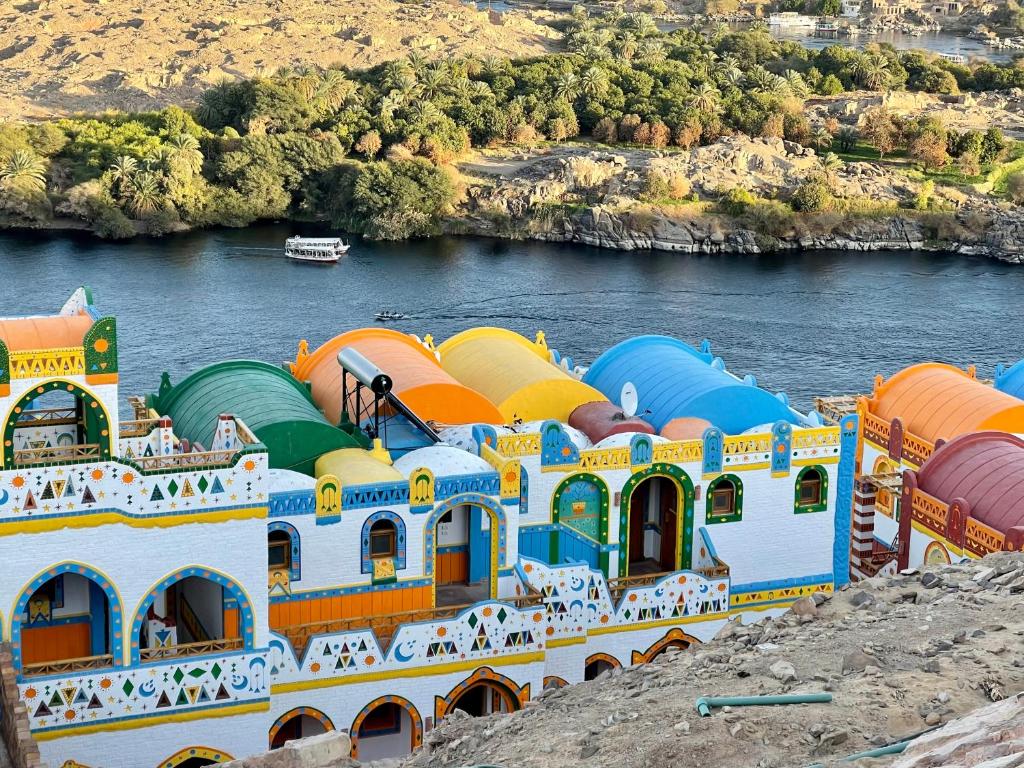
There is nothing quite like a luxury night felucca tour in Aswan with a Traviaz guide aiding you. The Nile’s soothing calmness and ambience, as the moonlight spills over the waters, is something truly breathtaking. Enjoy a visit to the Nubian village, exploring their music, sound, food, and culture.
Appreciate the scenic view of the vibrant city of Aswan on a traditional horse carriage tour with TRAVIAZ. Enjoy a casual sightseeing trip where you experience the city life in daylight. Should you need an activity in Aswan to pass the time while waiting for a themed event like the Philae Temple Sound and Light show, this is the perfect tour.