
Kom Ombo Temple Egypt: The Complete Guide to One of Egypt’s Most Unique Nile Temples
Kom Ombo Temple Egypt: The Complete Guide to One of Egypt’s Most Unique Nile Temples
Explore Kom Ombo Temple Egypt, the unique twin temple dedicated to Sobek and Horus, featuring ancient mythology, Nile views, history, and visitor tips.
Some temples in Egypt are remembered for their immense scale.
Others are famous for royal tombs, monumental statues, or legendary historical figures.
But Kom Ombo Temple Egypt stands apart for a completely different reason.
It is a temple of duality.
A temple where two gods shared one sacred complex.
A temple where crocodile mythology, Nile symbolism, religious balance, and unusual architectural symmetry come together in one of Upper Egypt’s most fascinating historical destinations.
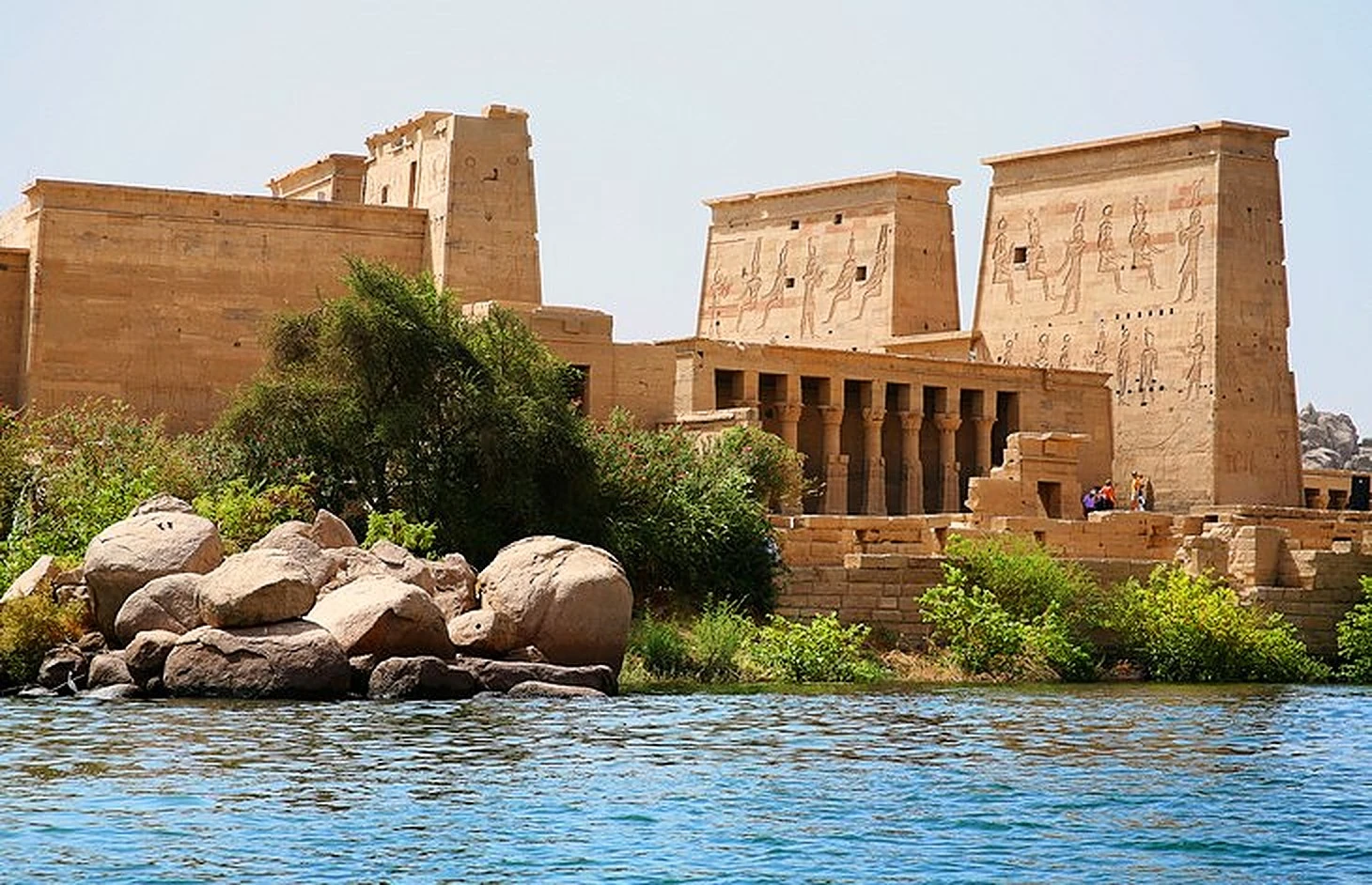
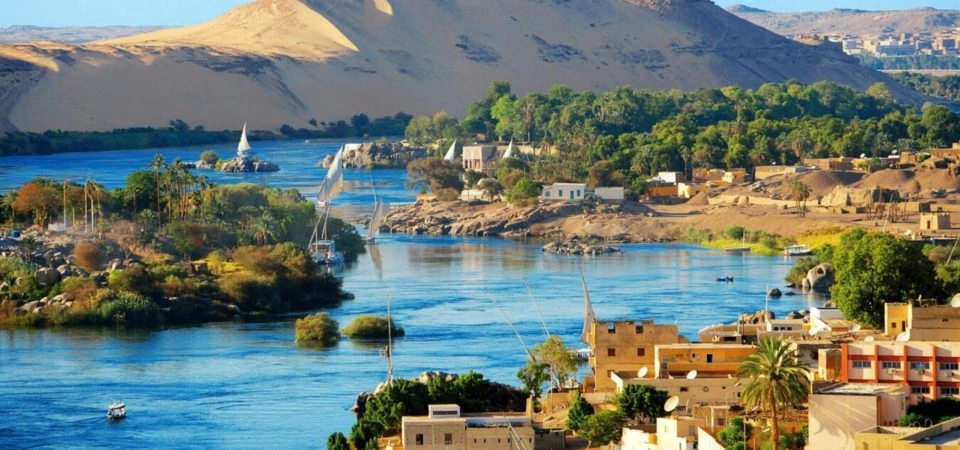
Located dramatically beside the Nile between Aswan and Luxor, Kom Ombo Temple Egypt has long captured the attention of travellers, archaeologists, mythology enthusiasts, and Nile cruise visitors.
Unlike some temple sites hidden deep within desert landscapes, Kom Ombo feels deeply connected to the river itself.
The Nile shapes the atmosphere.
The surrounding scenery softens the monumental stonework.
And the mythology behind the temple adds a distinctive personality rarely found elsewhere in Egypt.
For many travellers, a visit to Kom Ombo becomes one of the most memorable stops during a Nile cruise or Upper Egypt itinerary.
The temple combines:
- ancient religion
- crocodile symbolism
- architectural uniqueness
- fascinating relief carvings
- beautiful Nile scenery
- rich historical storytelling
all within one experience.
For travellers wanting to explore Kom Ombo, Aswan, Luxor, Nile cruises, and expertly designed Egypt journeys, Traviaz offers premium travel experiences across Egypt’s most remarkable destinations
Travellers planning a wider southern Egypt itinerary often explore the full Aswan Attractions category for temples, Nile experiences, cultural destinations, and historical landmarks
Kom Ombo Temple Egypt at a Glance
|
Topic |
Quick Information |
|
Location |
Near Aswan, Egypt |
|
Famous For |
Twin temple design & Sobek worship |
|
Dedicated To |
Sobek & Horus the Elder |
|
Historical Period |
Primarily Ptolemaic |
|
Best Way to Visit |
Nile cruise or Aswan excursion |
|
Recommended Visit Duration |
1–2 hours |
What Is Kom Ombo Temple Egypt?
At first glance, Kom Ombo Temple Egypt may appear similar to other temple complexes across Upper Egypt.
Columns.
Courtyards.
Reliefs.
Monumental stone architecture.
However, the site becomes much more interesting once travellers understand its defining characteristic:
It is a dual temple.
Unlike traditional temple layouts dedicated to a single major deity, Kom Ombo was designed to honour two different gods simultaneously.
This unusual arrangement shaped the architecture, symbolism, and religious identity of the site.
The temple is dedicated to:
- Sobek—the crocodile god
- Horus the Elder—a falcon-associated protective deity
This dual dedication created one of ancient Egypt’s most distinctive sacred spaces.
Why Kom Ombo Is Unique
Very few temples in Egypt operate around the concept of balanced duality in quite the same way.
Kom Ombo’s layout reflects symmetry throughout multiple architectural elements.
The temple essentially contains mirrored religious spaces designed around its two divine identities.
For travellers, this makes the visit feel noticeably different from exploring sites such as Karnak, Luxor Temple, or Philae.
The structure tells two intertwined stories at once.
The History of Kom Ombo Temple
The history of Kom Ombo Temple Egypt stretches primarily into the Ptolemaic Period, although later Roman rulers also contributed to the complex.
Understanding this background helps explain both the temple’s style and religious significance.
Construction During the Ptolemaic Era
Much of the visible structure dates to the Ptolemaic dynasty.
Following the conquest of Egypt by Alexander the Great, the Ptolemies ruled Egypt for centuries.
Although Greek in origin, these rulers invested heavily in Egyptian religious architecture.
Temple construction helped reinforce their political legitimacy while aligning themselves with traditional Egyptian belief systems.
Kom Ombo became one of several important temple projects from this era.
Its architecture combines:
- traditional Egyptian design principles
- monumental ceremonial spaces
- symbolic carvings
- refined decorative programs
Walking through Kom Ombo today means stepping into a monument shaped strongly by this fascinating period of cultural blending.
Religious Importance of the Site
Kom Ombo’s location beside the Nile played an important role in its sacred identity.
The river shaped everyday Egyptian life through:
- transportation
- agriculture
- fertility
- regional trade
- religious symbolism
This connection helps explain why a deity like Sobek held strong significance here.
The temple functioned not simply as architecture but as an active religious environment where rituals, offerings, ceremonies, and sacred symbolism shaped daily practice.
Roman Influence and Later Additions
Like several major Egyptian temples, Kom Ombo continued evolving during Roman rule.
Additional decoration and modifications reflect changing political eras while maintaining religious continuity.
This layered development adds depth to the site’s historical identity.
Visitors encounter a monument shaped across centuries rather than a structure frozen within one isolated historical moment.
The Gods of Kom Ombo—Sobek and Horus the Elder
Understanding Kom Ombo Temple Egypt requires understanding the two deities at its centre.
The temple’s mythology forms one of its most fascinating dimensions.
Sobek — The Crocodile God
Among Egypt’s many divine figures, Sobek stands out immediately.
His association with crocodiles makes him one of the most visually distinctive gods within ancient Egyptian religion.
Sobek was connected to themes including the following:
- strength
- fertility
- protection
- military power
- Nile symbolism
Because crocodiles lived closely alongside Nile environments, they carried enormous symbolic power within ancient Egyptian life.
Dangerous.
Powerful.
Unpredictable.
Yet deeply connected to the river that sustained civilization.
This relationship helps explain Sobek’s religious importance.
Sobek and the Nile
The Nile was both life-giving and potentially dangerous.
Crocodiles embodied this dual reality.
Sobek, therefore, reflected forces connected to:
- fertility
- water power
- protection
- natural authority
His worship became particularly meaningful in regions strongly connected to Nile environments.
Kom Ombo’s riverside location reinforced this association naturally.
Many visitors also browse the top things to do in Aswan before organizing their route through Upper Egypt
Horus the Elder
Balanced against Sobek’s crocodile symbolism stands Horus the Elder.
Associated with falcon imagery, kingship, and protective divine authority, Horus carried a different but complementary symbolic identity.
He represented themes including the following:
- protection
- sacred order
- royal legitimacy
- divine oversight
Within Kom Ombo, Horus helps create the dual religious balance that defines the temple.
Why Two Gods Shared One Temple
One of the most interesting questions visitors ask is the following:
Why would two different gods share a temple?
Kom Ombo’s design reflects ideas of sacred balance and parallel religious identity.
Rather than forcing worship into a single divine framework, the temple incorporated two related systems within one architectural environment.
This concept produced the site’s famous symmetrical layout.
It also gives Kom Ombo much of its personality and uniqueness.
What to See Inside Kom Ombo Temple Egypt
One of the strongest aspects of visiting Kom Ombo Temple Egypt is that the site rewards travellers who slow down and pay attention to details.
At first glance, visitors may notice the columns, courtyards, and monumental stonework common to Egyptian temples.
But Kom Ombo reveals its personality through the details.
It's symmetry.
It's mythology.
Its unusual carvings.
Its relationship with the Nile.
Each section adds another layer to understanding why this temple feels different from many others across Egypt.
The Twin Entrance and Symmetrical Layout
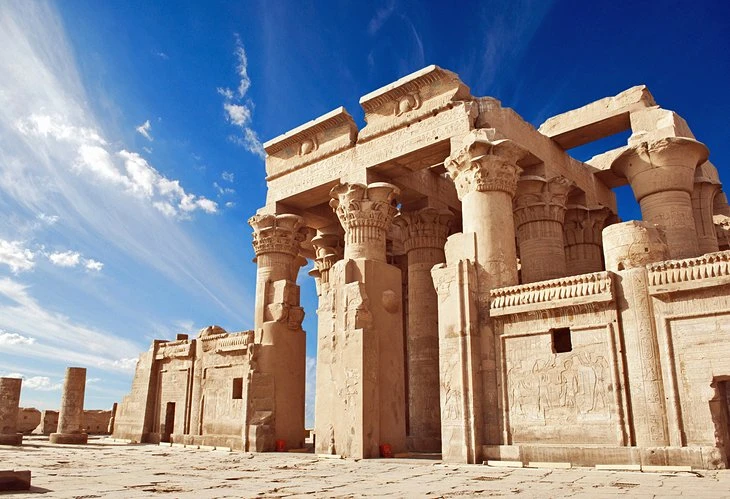
Perhaps the most famous architectural feature of Kom Ombo Temple Egypt is its remarkable twin layout.
This is not simply a symbolic idea.
The concept appears physically throughout the temple’s design.
Many architectural elements reflect deliberate symmetry associated with the temple’s dual dedication.
Visitors can observe paired or mirrored characteristics within:
- entrances
- halls
- ceremonial areas
- sacred zones
- ritual pathways
This design reinforces the coexistence of Sobek and Horus the Elder within one sacred environment.
For travellers familiar with Egyptian temples, this unusual arrangement immediately makes Kom Ombo stand out.
Courtyards, Columns, and Temple Atmosphere
Moving through the temple, visitors encounter open spaces framed by columns and ceremonial architecture.
Because the temple overlooks the Nile, the atmosphere feels distinct from monuments isolated deep within desert landscapes.
The surrounding environment softens the experience.
The nearby river contributes to a calmer visual mood.
Depending on the time of day, changing light conditions transform the stone surfaces dramatically.
Morning visits offer clearer tones and cooler exploration conditions.
Late afternoon often creates warmer lighting that enhances the atmosphere beautifully.
This is one reason photographers frequently enjoy Kom Ombo, particularly during golden-hour conditions.
Reliefs and Hieroglyphics
Like many Egyptian temple sites, Kom Ombo Temple Egypt contains rich decorative programs filled with symbolic carvings and hieroglyphic scenes.
However, some of its most interesting details go beyond traditional ceremonial imagery.
Travellers exploring carefully may notice scenes connected to:
- offerings to deities
- ritual activity
- divine symbolism
- sacred ceremonies
- royal representation
These carvings functioned as far more than decoration.
They communicated theology, authority, religious meaning, and sacred identity.
Guided interpretation can dramatically enrich this part of the experience because many symbolic elements are not immediately obvious to casual visitors.
The Famous Medical Instrument Carvings
One of Kom Ombo’s most fascinating details involves carvings frequently interpreted as representations of ancient medical instruments.
This feature attracts strong interest from visitors because it offers a rare glimpse into ancient Egyptian approaches to health and medical practice.
Travellers often notice carved objects resembling:
- surgical tools
- medical instruments
- ceremonial equipment
Whether viewed from historical, cultural, or symbolic perspectives, these carvings contribute to the temple’s reputation for unusual and memorable details.
For many travellers, this becomes one of the most talked-about discoveries during the visit.
Travelers continuing their temple exploration frequently combine Kom Ombo Temple Egypt with the beautiful Philae Temple Aswan, famous for its island setting, mythology, and Temple of Isis
The Nilometer
Another important element associated with Kom Ombo Temple Egypt is the Nilometer.
In ancient Egypt, understanding and measuring Nile water levels carried enormous practical importance.
Water conditions influenced:
- agriculture
- taxation
- farming cycles
- economic stability
Nilometers helped monitor these fluctuations.
For visitors, this feature offers another reminder of how deeply Egyptian civilization depended upon the river.
The Nile was not merely scenery.
It shaped everyday survival.
Kom Ombo’s strong connection to river symbolism makes the presence of a nilometer especially meaningful.
The Crocodile Museum at Kom Ombo
Few attractions associated with Egyptian temples are as distinctive as the Crocodile Museum near Kom Ombo.
This section adds a fascinating extension to the temple experience.
Mummified Crocodiles
The museum is particularly known for its collection of mummified crocodiles.
Because Sobek carried crocodile symbolism, these preserved remains connect directly to the temple’s religious identity.
For many visitors, seeing crocodile mummies in person creates one of the most memorable moments of the excursion.
The experience feels unusual.
Unexpected.
Deeply tied to ancient religious symbolism.
Understanding Sobek Worship
The museum also helps travellers understand how crocodiles fit into broader religious life.
Rather than viewing Sobek simply as an exotic deity, visitors gain deeper context surrounding the following:
- sacred symbolism
- Nile ecology
- divine protection
- religious practice
This additional understanding often enriches the temple visit considerably.
Why the Museum Adds Value
Some travellers initially focus primarily on the temple itself.
However, the museum provides valuable context that helps complete the story.
Together, the temple and museum create a fuller understanding of Kom Ombo’s mythology and sacred identity.
Kom Ombo Temple and the Nile Cruise Experience
For many travellers, Kom Ombo Temple Egypt becomes closely associated with one of Egypt’s most iconic travel experiences:
the Nile cruise.
In fact, countless visitors encounter Kom Ombo as part of a multi-day journey between Luxor and Aswan.
Why Nile Cruises Stop at Kom Ombo
The temple’s location makes it a natural stop along Upper Egypt cruise routes.
Its riverside setting, manageable visit duration, and historical significance fit beautifully within cruise itineraries.
Many travellers appreciate how easily Kom Ombo integrates into broader Nile journeys.
Arriving from the Nile
Approaching the temple from a cruise environment creates a distinct atmosphere.
The connection between the monument and the river becomes immediately apparent.
Unlike sites reached solely through road transport, Kom Ombo often feels naturally linked to the Nile travel experience itself.
This relationship strengthens the temple’s identity.
Sunset Visits and Golden Light
Kom Ombo frequently looks particularly beautiful near sunset.
Warm light spreads across:
- temple columns
- stone reliefs
- Nile scenery
- surrounding landscapes
This timing often produces strong photography conditions and a memorable atmosphere.
Many travellers describe sunset visits as one of the most visually rewarding ways to experience the site.
How to Visit Kom Ombo Temple Egypt
Travellers can reach Kom Ombo Temple Egypt through several approaches depending on itinerary style.
Visiting from Aswan
Kom Ombo is accessible from Aswan and often incorporated into Upper Egypt day trips or organized excursions.
This option works well for travellers staying in Aswan who want to expand their historical exploration.
Visiting from Luxor
Some travellers also approach the site from Luxor depending on broader travel plans.
Because Kom Ombo sits between major Upper Egypt destinations, it integrates flexibly into different itineraries.
Nile Cruise Option
For many visitors, Nile cruises remain one of the most convenient and atmospheric ways to experience Kom Ombo.
Cruise itineraries often combine:
- Kom Ombo
- Edfu
- Luxor temples
- Aswan experiences
within one seamless route.
Guided Visits vs Independent Travel
Both approaches are possible.
However, guided interpretation often adds significant value because of the temple’s layered mythology, symbolism, and architectural uniqueness.
Understanding Sobek, Horus, temple symmetry, and carved details frequently changes how visitors experience the monument.
Best Time to Visit Kom Ombo Temple Egypt
Timing can significantly shape the atmosphere and comfort of the visit.
Morning Visits
Morning visits typically provide:
- cooler temperatures
- softer lighting
- easier exploration conditions
This timing becomes especially useful during warmer months.
Sunset Visits
Golden-hour lighting often transforms the site beautifully.
The combination of warm stone tones, Nile atmosphere, and softer light creates excellent visual conditions.
Winter vs Summer Travel
The most comfortable period for exploring Upper Egypt generally falls between October and April.
Summer visits remain possible but require stronger preparation for heat exposure.
Practical Visitor Tips
A few simple preparations can improve the experience considerably.
What to Wear
Useful choices generally include:
- lightweight clothing
- comfortable walking shoes
- sun protection accessories
What to Bring
Helpful items often include:
- water
- sunglasses
- sunscreen
- camera or phone
Visit Duration
Most travellers spend approximately 1–2 hours exploring Kom Ombo depending on pace and itinerary style.
Suggested Kom Ombo Temple Half-Day Itinerary
A visit to Kom Ombo Temple Egypt fits naturally into a broader Upper Egypt route and usually does not require a full day on its own.
However, when planned well, the experience can become a memorable combination of mythology, Nile atmosphere, and historical discovery.
Arrival and Temple Exploration
Begin with the temple itself, allowing enough time to explore beyond the main photo points.
Rather than rushing through the site, travellers should spend time observing:
- the symmetrical layout
- Sobek and Horus symbolism
- carved reliefs
- medical instrument scenes
- temple atmosphere beside the Nile
Slower exploration often reveals details that visitors miss during quick stops.
Continue to the Crocodile Museum
After the temple, many travellers continue directly to the Crocodile Museum.
This extension adds valuable context to the experience.
Seeing mummified crocodiles and learning more about Sobek worship often transforms the mythology from an abstract concept into something tangible and memorable.
Combine with a Nile Journey or Continue Toward Aswan or Luxor
Depending on the itinerary, travellers may:
- continue cruising along the Nile
- head toward Aswan
- return toward Luxor
- combine the visit with nearby temple routes
Because Kom Ombo sits strategically between major Upper Egypt destinations, it integrates smoothly into wider Egypt travel plans.
Combine Kom Ombo with Other Upper Egypt Experiences
One of the strengths of Kom Ombo Temple Egypt is how naturally it fits into broader exploration across southern Egypt.
Many travellers combine the site with other experiences to create richer and more balanced itineraries.
Philae Temple Aswan
Travellers continuing toward Aswan often pair Kom Ombo with Philae Temple.
The contrast between the two sites is fascinating.
Philae offers:
- island scenery
- mythology of Isis
- elegant architecture
- softer sacred atmosphere
while Kom Ombo emphasizes the following:
- dual temple design
- crocodile symbolism
- Nile mythology
- architectural symmetry
Together, they create a deeper understanding of Upper Egyptian religious traditions.
Abu Simbel Day Trip from Aswan
Travellers wanting to continue deeper into southern Egypt frequently combine Kom Ombo with an Abu Simbel day trip from Aswan.
The progression from Kom Ombo’s river mythology to Abu Simbel’s colossal royal architecture creates an exceptionally rewarding historical route.
Aswan High Dam Visitor Guide
For travellers interested in modern Egypt alongside ancient history, combining Kom Ombo with the Aswan High Dam introduces a completely different perspective on Egypt’s relationship with the Nile.
This combination expands the story beyond temples alone.
Nile Cruise Egypt
Many visitors experience Kom Ombo naturally within a broader Nile Cruise Egypt itinerary.
Cruise journeys often connect:
- Luxor
- Edfu
- Kom Ombo
- Aswan
through one of the country’s most iconic travel experiences.
Things to Do in Aswan
Travellers building a larger Upper Egypt itinerary frequently explore additional things to do in Aswan, including temples, Nubian culture, Nile experiences, and modern landmarks.
Why Travelers Explore Kom Ombo with Traviaz
A destination like Kom Ombo Temple Egypt becomes significantly richer when travellers understand not only what they are seeing but also why it mattered within ancient Egyptian religion and Nile culture.
Traviaz helps travellers explore Egypt through carefully planned experiences that combine the following:
- historical storytelling
- expert local knowledge
- comfortable travel logistics
- luxury Nile experiences
- personalized itineraries
Expert Egyptologist Guidance
Mythology-heavy sites like Kom Ombo often become far more rewarding with professional interpretation.
Understanding:
- Sobek symbolism
- Horus mythology
- dual temple architecture
- ritual meaning
- Nile religious identity
can completely transform the visitor experience.
Luxury Nile Experiences
Because Kom Ombo is deeply connected to river travel, many visitors experience it through broader luxury Nile routes.
Premium itineraries often combine:
- temple exploration
- boutique accommodations
- cruise experiences
- cultural depth
- seamless transportation
within one carefully designed journey.
Personalized Upper Egypt Planning
Every traveller experiences Egypt differently.
Some prioritize:
- mythology
- archaeology
- photography
- luxury travel
- Nile scenery
- cultural exploration
Traviaz helps shape itineraries around individual travel preferences across Cairo, Luxor, Aswan, Abu Simbel, and beyond.
FAQs About Kom Ombo Temple Egypt
Why is Kom Ombo Temple famous?
Kom Ombo Temple Egypt is famous for its unusual twin design, its dedication to both Sobek and Horus the Elder, its connection to crocodile mythology, and its scenic location beside the Nile.
How long does a Kom Ombo visit take?
Most visitors spend around 1–2 hours exploring the temple and nearby Crocodile Museum.
Is Kom Ombo worth visiting?
Yes.
Many travellers consider it one of Upper Egypt’s most distinctive temples because of its mythology, symmetrical architecture, and strong Nile atmosphere.
What is special about Kom Ombo Temple?
Its dual religious identity makes it highly unusual within Egyptian temple architecture.
The temple simultaneously honours Sobek and Horus the Elder, creating mirrored architectural and symbolic features.
Can you visit Kom Ombo without a Nile cruise?
Absolutely.
Travellers can visit from Aswan, Luxor, organized excursions, private transportation, or independent Upper Egypt routes.
Conclusion
Egypt contains extraordinary temples.
Massive monuments.
Royal tombs.
Sacred landscapes shaped by thousands of years of history.
Yet Kom Ombo Temple Egypt offers something distinctly its own.
Its riverside atmosphere.
Its mythology of Sobek and Horus is
Its rare architectural symmetry.
Its connection to crocodile symbolism and Nile culture.
Together, these elements create a temple experience that feels different from anywhere else in Upper Egypt.
For many travellers, Kom Ombo becomes more than another historical stop.
It becomes one of the destinations that reveals how deeply religion, nature, architecture, and river life intertwined within ancient Egyptian civilization.
For travelers ready to explore Kom Ombo, Nile cruises, Aswan, Luxor, and expertly planned cultural journeys across Egypt, begin here with Traviaz


-webp.webp "Nubian Village Aswan")
-webp.webp "Abu Simbel Day Trip from Aswan")