
Philae Temple Aswan: The Complete Guide to Egypt’s Most Beautiful Island Temple
Some places in Egypt impress travellers with their size. Others amaze visitors with their historical importance. But a few destinations create something deeper — an atmosphere that feels almost impossible to describe until you experience it in person.
Philae Temple Aswan belongs firmly to that category.
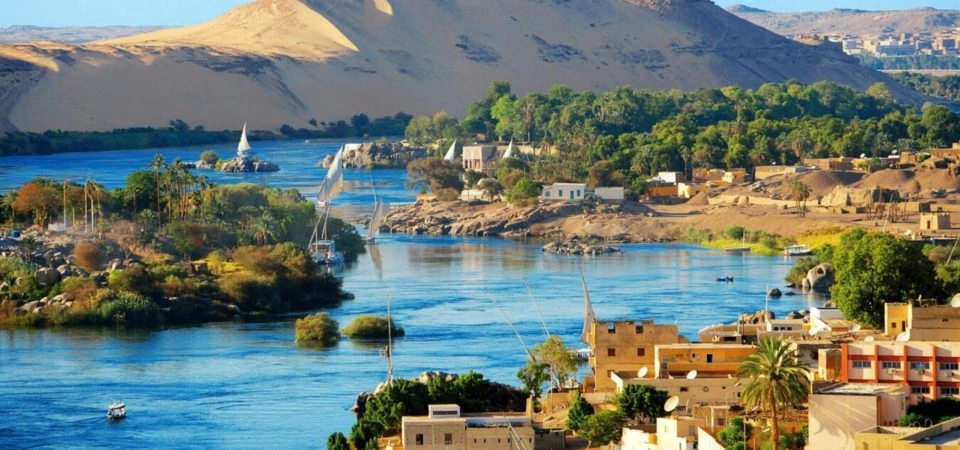
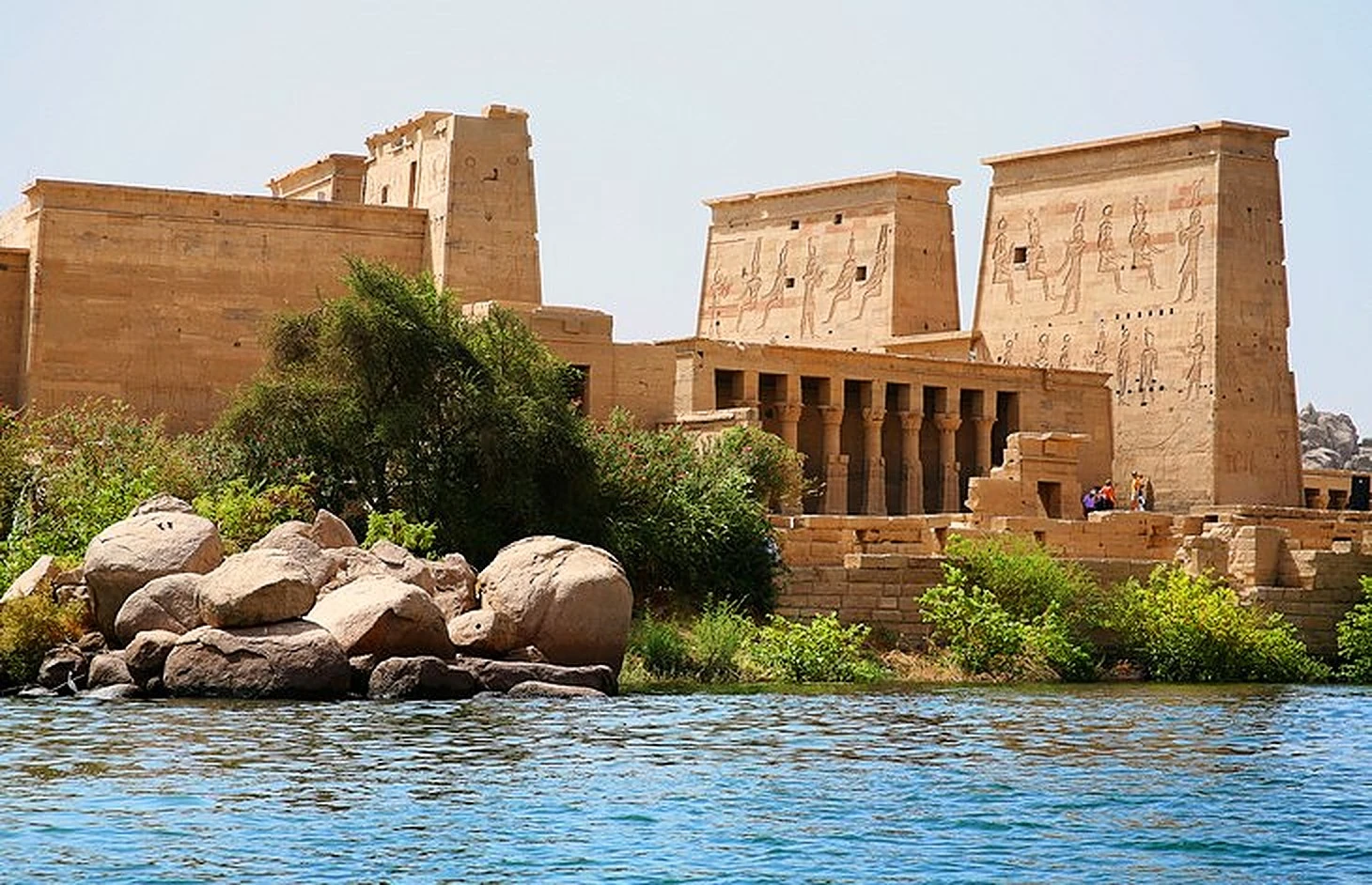
Unlike many Egyptian temples surrounded by desert landscapes and monumental stone avenues, Philae Temple rises gracefully from the Nile itself. The journey begins on the water. Before travellers even reach the site, they find themselves approaching an ancient sacred complex by boat, watching temple columns slowly appear against the blue sky and calm river scenery of southern Egypt.
This sense of arrival is part of what makes Philae Temple Aswan one of the most magical destinations in Egypt.
Dedicated primarily to the powerful goddess Isis, Philae Temple was not only a religious center but also one of the most important spiritual destinations in the ancient world. For centuries, worshippers travelled here seeking divine protection, healing, motherhood blessings, and sacred guidance.
Today, the temple continues to fascinate travellers, historians, photographers, and lovers of ancient mythology. Its elegant architecture, rich carvings, Nile island setting, and extraordinary survival story make it one of the most unforgettable experiences in Upper Egypt.
For travellers exploring southern Egypt, a visit to Philae often becomes much more than another temple stop on the itinerary. It becomes a highlight of the entire journey.
For travelers wanting to experience Philae Temple Aswan, luxury Nile experiences, Abu Simbel journeys, and expertly designed cultural routes across Egypt, Traviaz offers premium travel experiences throughout Cairo, Luxor, Aswan, and beyond
Philae Temple Aswan at a Glance
|
Topic |
Quick Fact |
|
Location |
Near Aswan, Egypt |
|
Dedicated To |
Goddess Isis |
|
Original Location |
Philae Island |
|
Present Location |
Agilkia Island |
|
Historical Period |
Primarily Ptolemaic and Roman |
|
Famous For |
Temple of Isis, island setting, mythology |
|
Best Time to Visit |
Morning or late afternoon |
What Is Philae Temple?
At its core, Philae Temple Aswan is an ancient Egyptian temple complex dedicated largely to Isis, one of the most important and beloved deities in Egyptian religion.
However, describing Philae simply as “a temple” hardly captures its importance.
For centuries, this site functioned as a major religious center attracting worshippers from across Egypt and neighbouring regions. It was deeply connected to myths involving Isis, Osiris, Horus, resurrection, protection, motherhood, and divine power.
Unlike some temples built primarily to glorify kings or political authority, Philae carried a noticeably spiritual identity centred around devotion, ritual practice, and sacred mythology.
The temple complex includes:
- monumental gateways
- ceremonial courtyards
- elegant columns
- detailed relief carvings
- sanctuaries
- smaller chapels
- Roman additions
- sacred ceremonial spaces
Its architecture feels refined and graceful compared with some of Egypt’s more massive temple sites.
This elegance is one reason travellers often describe Philae as one of the most beautiful temples in Egypt.
The History of Philae Temple Aswan
The history of Philae Temple Aswan stretches across multiple civilizations, rulers, and religious transitions.
Like many Egyptian monuments, the site was not built in a single moment.
Instead, it evolved gradually over centuries.
Early Sacred Importance
Long before the main temple structures appeared, the area surrounding Philae held religious importance.
Ancient Egyptians believed this region carried sacred associations connected to Isis and Osiris mythology.
According to religious tradition, parts of Osiris’s body were linked symbolically to the island, increasing its spiritual significance.
This mythology transformed Philae into an important pilgrimage destination.
Ptolemaic Construction
Much of the temple complex visible today comes from the Ptolemaic Period.
Following Alexander the Great’s conquest of Egypt, the Ptolemies ruled the country for centuries.
Although Greek in origin, these rulers embraced Egyptian religious traditions to strengthen political legitimacy.
Temple construction became an important strategy for connecting themselves to ancient Egyptian culture.
The Ptolemies invested heavily in temple building across Egypt, and Philae became one of their most important projects.
Many sections of the Temple of Isis date primarily from this period.
Their architectural approach combined:
- traditional Egyptian temple design
- monumental gateways
- detailed symbolic decoration
- sophisticated stone craftsmanship
Walking through the site today, visitors are seeing a monument shaped strongly by this fascinating period of cultural blending.
Roman Contributions
When Roman rule expanded into Egypt, Philae Temple did not lose importance.
Instead, Roman emperors continued supporting construction and decoration at the site.
This continuation reveals how influential the cult of Isis had become.
The worship of Isis eventually spread far beyond Egypt itself.
Her cult gained followers across:
- Greece
- Rome
- Mediterranean territories
- parts of Europe
- North Africa
Few Egyptian deities achieved such international influence.
Roman additions to the temple complex demonstrate how religious traditions could adapt and survive through changing political eras.
Christian Transformation
Like many ancient Egyptian temples, Philae experienced major transformation during late antiquity.
As Christianity spread throughout Egypt, religious practices shifted dramatically.
Certain sections of the complex were adapted for Christian worship.
Evidence of this transformation can still be observed in parts of the temple.
This layered history gives Philae unusual complexity.
Visitors are not seeing a site frozen in one historical moment.
Instead, they encounter a monument shaped by:
- ancient Egyptian religion
- Hellenistic rule
- Roman influence
- Christian adaptation
- modern preservation
Very few monuments tell such a long and evolving story.
The Temple of Isis — The Spiritual Heart of Philae
To understand Philae Temple Aswan, travellers must understand Isis herself.
She was far more than a goddess inside Egyptian mythology.
She represented some of the most emotionally powerful ideas in ancient religious life.
Who Was Isis?
Isis occupied an exceptionally important position within Egyptian belief systems.
She was associated with:
- motherhood
- protection
- magic
- healing
- devotion
- resurrection
- divine wisdom
Her mythology was deeply connected to the story of Osiris and Horus.
According to Egyptian tradition, Osiris was murdered by his brother Set.
After his death, Isis searched tirelessly for his scattered remains.
Through magical power, loyalty, and determination, she helped restore him and conceived Horus.
This myth became one of the most influential narratives in Egyptian religion.
Why Isis Was So Loved
One reason Isis became extraordinarily popular was her emotional accessibility.
Unlike distant cosmic deities, Isis embodied qualities people related to deeply:
- maternal protection
- loyalty
- resilience
- compassion
- fierce determination
Parents prayed to her.
Travellers sought her protection.
Families connected with her role as mother and guardian.
Rulers valued her symbolic authority.
This broad emotional appeal helped explain why her worship expanded beyond Egypt itself.
Ritual Life at Philae
Philae Temple was not merely symbolic.
It functioned as an active religious centre.
Priests performed elaborate ceremonies involving:
- sacred offerings
- purification rituals
- incense
- chants
- processions
- divine imagery
Temple rituals followed strict religious procedures.
Access to sacred spaces varied according to role and status.
The sanctuary itself represented the most sacred zone within the complex.
For ancient worshippers, visiting Philae could represent a profound spiritual experience.
The temple existed not simply as architecture but as a living religious environment filled with sound, symbolism, ritual, and sacred performance.
The Incredible Story of Moving Philae Temple
One of the most remarkable chapters in the story of Philae Temple Aswan happened not in antiquity—but in modern times.
Without intervention, the temple might not exist in its current form today.
The Threat of Flooding
The construction of the Aswan dams dramatically changed water levels throughout southern Egypt.
Flooding increasingly threatened the original island setting of Philae.
For long periods, rising waters submerged significant portions of the temple.
Damage risks became severe.
A solution became urgently necessary.
UNESCO Rescue Campaign
An extraordinary international preservation campaign emerged.
Under UNESCO coordination, specialists launched a complex rescue operation designed to save the monument.
The project required:
- documentation
- engineering planning
- dismantling strategies
- reconstruction precision
It was an enormous undertaking.
Relocation to Agilkia Island
Instead of allowing the temple to disappear beneath rising water levels, experts carefully relocated the complex.
Stone blocks were dismantled, transferred, and reconstructed on nearby Agilkia Island.
The relocation aimed to preserve not only architecture but also the visual and atmospheric experience of the original setting.
The result is extraordinary.
Modern visitors can still experience the temple surrounded by Nile scenery remarkably similar to its ancient environment.
Why This Story Matters
The rescue of Philae Temple represents one of the world's most important cultural preservation successes.
It demonstrates how international collaboration can protect irreplaceable heritage.
Many travellers leave the site surprised to learn they are visiting a monument that was effectively saved from destruction and carefully reborn.
This remarkable survival story adds another emotional layer to the Philae experience.
How to Visit Philae Temple from Aswan
One reason Philae Temple Aswan remains such a popular destination is that reaching it is relatively easy for travellers staying in Aswan.
Unlike remote archaeological sites that require long desert transfers or internal flights, Philae can typically be visited within a half-day itinerary.
However, what makes the experience memorable is not simply the convenience—it is the journey itself.
Reaching the Marina
The first stage of the visit usually begins with a short drive from central Aswan toward the marina area near the temple access point.
The surrounding landscape gradually begins to change.
City traffic softens.
Palm trees, Nile scenery, desert hills, and river views become more visible.
Even before boarding the boat, travellers often notice the calmer atmosphere that distinguishes Aswan from larger Egyptian cities.
Many visitors combine Philae Temple with the following:
- Nubian village experiences
- felucca rides
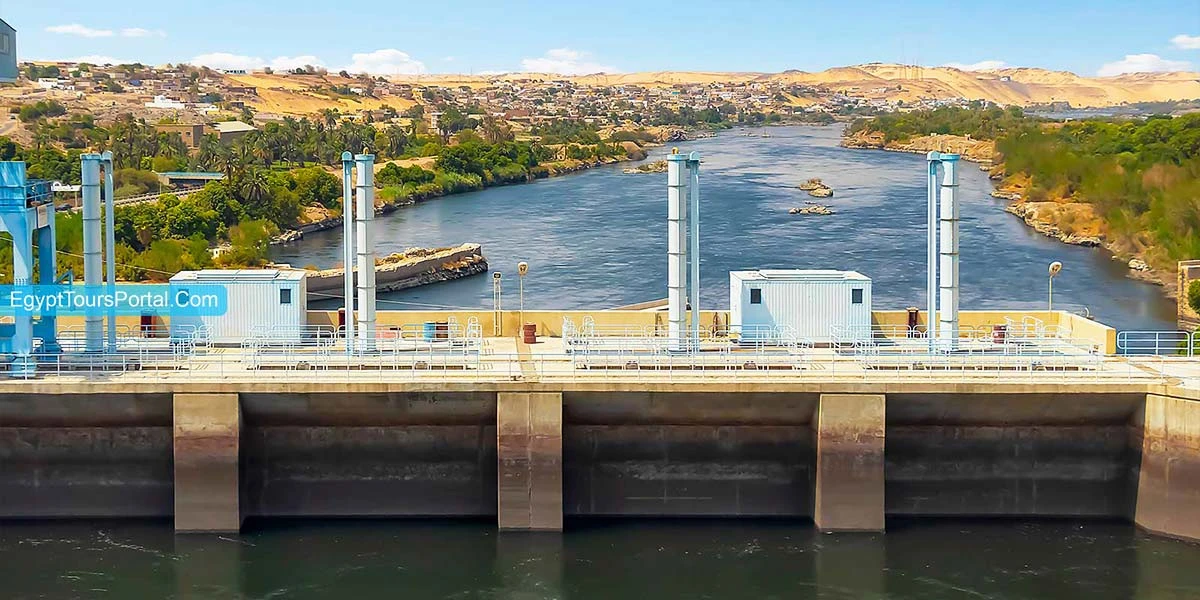
- High Dam visits
- local market exploration
- Nile cruise itineraries
This flexibility makes Philae one of the easiest major historical experiences to integrate into an Upper Egypt route.
Guided Visit vs Independent Exploration
Some travellers prefer exploring independently.
Others choose organized guided experiences.
Both approaches are possible, but the experience can feel very different.
Without context, travellers often admire the following:
- columns
- relief carvings
- monumental gateways
- island scenery
But much of the deeper meaning can remain hidden.
With an experienced Egyptologist guide, the temple becomes more than stone architecture.
Visitors begin to understand:
- mythological scenes
- symbolic carvings
- ritual functions
- religious ceremonies
- political messages
- historical transitions
This deeper interpretation often transforms the visit completely.
The Boat Ride to Philae Temple—One of Egypt’s Most Magical Arrivals
Many Egyptian monuments impress travellers immediately upon arrival.
Philae does something different.
It builds anticipation.
The approach happens gradually.
And that gradual reveal is part of the magic.
Crossing the Nile Toward the Temple
After boarding a small motorboat, travellers begin moving across calm Nile waters.
The atmosphere changes instantly.
The noise of roads disappears.
The movement becomes quieter.
Water reflects the sunlight.
Small islands, desert scenery, and river vegetation create a peaceful setting.
Then, slowly, the outline of the temple begins appearing in the distance.
For many travelers, this becomes one of the most memorable arrival experiences anywhere in Egypt.
Unlike monuments approached by parking lots or city streets, Philae Temple Aswan emerges from the river itself.
The effect feels cinematic.
Ancient.
Almost dreamlike.
Why Approaching by Water Matters
The water approach is not simply a modern tourist detail.
It connects visitors to something fundamental about ancient Egypt.
The Nile was central to Egyptian civilization.
Travel, religion, trade, agriculture, and political power all revolved around the river.
Approaching a sacred site by water creates a subtle connection to how ancient visitors may have experienced this landscape.
This is one reason Philae feels emotionally different from many other temple sites.
The temple does not simply sit beside the Nile.
The river is woven directly into the experience.
Photography Opportunities During the Crossing
For photographers, the boat ride offers extraordinary visual moments.
Depending on the time of day, travellers can capture the following:
- reflections on the water
- temple silhouettes
- golden light on columns
- island scenery
- panoramic Nile views
Morning visits often provide softer light and a clearer atmosphere.
Late afternoon creates dramatic warm tones that transform the stonework beautifully.
What to See Inside Philae Temple
Once travellers step onto the island, the experience becomes richer with every section of the complex.
Unlike some sites that reveal everything immediately, Philae unfolds gradually.
Each courtyard, gateway, and sanctuary adds another layer to the story.
The First Pylon — Monumental Entrance and Sacred Power
One of the first major architectural elements visitors encounter is the First Pylon.
In ancient Egyptian temple design, pylons functioned as monumental ceremonial gateways.
At Philae, the entrance immediately establishes the sacred atmosphere of the site.
The towering structure features relief scenes depicting rulers interacting with deities.
These carvings were not decorative additions.
They carried powerful symbolic messages involving:
- divine legitimacy
- religious authority
- cosmic order
- sacred kingship
Standing beneath the monumental gateway, travellers often experience the first strong sense of scale within the complex.
Although Philae feels more elegant and intimate than Karnak, its architecture still carries undeniable grandeur.
Courtyards and Colonnades — The Elegant Heart of Philae
Moving deeper into the temple, travellers encounter open spaces framed by beautiful columns and ceremonial architecture.
This section reveals one of the defining characteristics of Philae Temple Aswan.
Elegance.
Where some Egyptian temples overwhelm visitors with sheer monumentality, Philae often captivates through refinement.
Its architectural rhythm feels graceful.
Balanced.
Visually harmonious.
Columns feature detailed capitals and decorative elements that create striking visual texture throughout the complex.
Walking through these spaces, travelers begin noticing how carefully ancient architects controlled movement, perspective, and atmosphere.
Light changes dramatically throughout the day.
Morning sun creates one mood.
Late afternoon transforms the stone into warmer, softer tones.
This changing light is one reason photographers and travelers often describe Philae as exceptionally photogenic.
Reliefs and Hieroglyphics — Stories Carved into Stone
One of the most rewarding aspects of exploring Philae involves slowing down enough to study the walls themselves.
Every surface tells stories.
Carvings depict:
- religious ceremonies
- divine interactions
- offerings to deities
- mythological symbolism
- ritual performance
- royal imagery
Without explanation, visitors may initially see beautiful ancient decoration.
But with context, the reliefs become far more meaningful.
Travellers begin understanding that these carvings functioned as visual theology.
They communicated sacred narratives, religious authority, and spiritual ideas.
Many scenes connected directly to Isis mythology.
Others reinforced royal relationships with divine power.
The richness of symbolic storytelling at Philae rewards careful observation.
The Sanctuary of Isis — The Spiritual Center of the Temple
At the heart of the complex lies one of the most sacred spaces: the Sanctuary of Isis.
This zone represented the religious core of temple life.
In antiquity, sacred objects and divine imagery connected to ritual worship would have occupied these inner areas.
Access became increasingly restricted deeper داخل the temple.
Not everyone could enter every space.
This controlled progression reflected ancient Egyptian concepts of sacred hierarchy.
Moving inward symbolized movement toward increasing spiritual intensity.
For modern visitors, reaching the sanctuary often creates a noticeable shift in atmosphere.
The space feels quieter.
More intimate.
More concentrated.
Even thousands of years later, many travellers describe sensing a distinctive mood within these inner areas.
Smaller Structures and Hidden Details
Beyond the main ceremonial route, Philae contains additional architectural elements that many visitors overlook if moving too quickly.
Smaller shrines, secondary structures, and less crowded corners often reveal some of the most fascinating details.
Travellers who slow down may discover:
- subtle carvings
- decorative motifs
- unique architectural angles
- quieter photography opportunities
- overlooked historical features
This is one reason Philae rewards unhurried exploration.
It is not a site best experienced through rushing.
The atmosphere invites slower observation.
Why Philae Temple Feels Different from Other Egyptian Temples
Egypt contains extraordinary temple complexes.
Karnak impresses through scale.
Luxor Temple captivates through urban atmosphere and royal history.
Abu Simbel dominates through dramatic monumentality.
Yet Philae Temple Aswan feels fundamentally different.
Why?
Because its power comes from atmosphere as much as architecture.
The Island Setting Changes Everything
Most temples exist firmly anchored within desert or urban landscapes.
Philae rises from water.
This changes the emotional experience completely.
The surrounding Nile softens the environment.
Palm trees, islands, reflections, and open scenery create a calmer visual mood.
The temple feels almost suspended between architecture and landscape.
A More Intimate Sacred Atmosphere
Karnak can feel overwhelming in scale.
Philae often feels more personal.
More contemplative.
Its spaces encourage slower exploration rather than visual overload.
This difference appeals strongly to travellers seeking emotional atmosphere alongside historical significance.
The Influence of Isis Mythology
Part of the temple’s emotional identity also comes from Isis herself.
Themes associated with Isis — devotion, healing, motherhood, protection, resilience — create a noticeably different symbolic atmosphere compared with some royal or militaristic temple narratives elsewhere in Egypt.
This emotional tone subtly shapes the visitor experience.
Best Time to Visit Philae Temple Aswan
Choosing the right timing can transform the experience significantly.
Morning Visits
Morning visits offer several advantages.
Temperatures are generally cooler.
Crowds may be lighter.
Light conditions often support clearer photography.
For travellers visiting during warmer months, morning can be particularly comfortable.
Late Afternoon and Sunset Light
Many travellers consider late afternoon one of the most beautiful times to visit.
The lighting becomes softer and warmer.
Stone surfaces glow with golden tones.
The Nile reflects changing colours beautifully.
Photography conditions can become extraordinary.
The atmosphere also feels slightly more relaxed toward the end of the day.
Winter vs Summer Travel
The most comfortable travel season for Aswan typically falls between October and April.
During summer, temperatures in Upper Egypt can become extremely intense, especially around midday.
Early scheduling becomes especially important during hotter months.
The Philae Temple Sound and Light Show
For travellers wanting a different perspective on the site, the Sound and Light Show offers an alternative experience after dark.
What Makes the Evening Experience Unique
At night, illumination transforms the temple visually.
Columns, gateways, and carvings emerge dramatically from darkness.
Narration and lighting effects introduce historical storytelling into the environment.
The atmosphere becomes more theatrical and immersive.
أكيد، دي نسخة أقصر وأنضف SEO-wise وتحافظ على الجودة بدون ما تزود طول المقال:
Suggested Half-Day Philae Temple Itinerary
A visit to Philae Temple Aswan fits perfectly into a half-day experience and can easily be combined with other Aswan attractions.
Start the day with a morning transfer to the marina, followed by the scenic boat ride to the temple. Spend time exploring the temple complex, including the First Pylon, elegant courtyards, and the Sanctuary of Isis while enjoying the island atmosphere and detailed carvings.
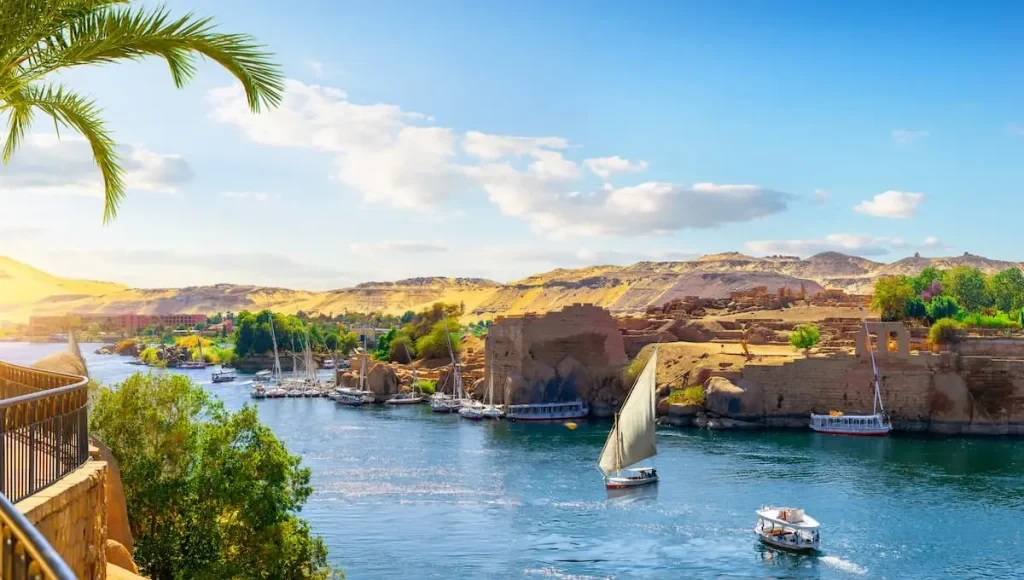
After the visit, many travelers choose to continue the experience with a traditional felucca ride on the Nile or a short visit to a Nubian village for a cultural extension.
If staying overnight in Aswan, ending the day along the Corniche with Nile views and sunset scenery creates a perfect finish to the experience.
Why Travelers Explore Philae Temple with Traviaz
Exploring Philae Temple Aswan becomes even more rewarding with expert planning and historical insight.
Traviaz helps travelers experience Upper Egypt through:
- expert Egyptologist guides
- seamless Aswan and Nile planning
- luxury Egypt experiences
- personalized itineraries
- comfortable transportation
Whether travelers want mythology, temple history, Nile cruises, or cultural exploration, Traviaz helps create a smoother and more meaningful Egypt journey.
Explore journeys here:
https://www.traviaz.com/travel-packages
FAQs About Philae Temple Aswan
Why is Philae Temple famous?
Philae Temple is famous for its dedication to Isis, its beautiful island location, elegant architecture, and remarkable relocation story.
Who built Philae Temple?
Most of the temple complex was developed during the Ptolemaic Period, with additional Roman contributions added later.
Is Philae Temple worth visiting?
Yes. Many travelers consider it one of Egypt’s most beautiful temples because of its Nile setting, mythology, and peaceful atmosphere.
How long does a Philae Temple visit take?
Most visits take around 1–3 hours, depending on pace and whether travelers combine the site with other Aswan experiences.
Can you visit Philae Temple without a guide?
Yes, but guided visits often provide deeper understanding of the temple’s history, symbolism, and mythology.
Conclusion – Why Philae Temple Remains One of Egypt’s Most Magical Places
Few sites in Egypt combine mythology, history, architecture, and scenery quite like Philae Temple Aswan. Its island setting, connection to Isis, and peaceful Nile atmosphere make it one of the most memorable experiences in Upper Egypt.
For travelers exploring Aswan, Philae is more than a historical attraction — it is a destination that captures the beauty and spirit of southern Egypt.
For travellers ready to discover Philae Temple, Nile journeys, and expertly designed cultural experiences across Egypt, explore Traviaz here:

-webp.webp "Nubian Village Aswan")
-webp.webp "Abu Simbel Day Trip from Aswan")