
-webp.webp "Abu Simbel Day Trip from Aswan")
Abu Simbel Day Trip from Aswan: The Complete Guide to One of Egypt’s Most Extraordinary Experiences
Some destinations in Egypt impress travellers because of their historical importance. Others amaze visitors through atmosphere, architecture, or scenery. But very few places create the same emotional impact as an Abu Simbel day trip from Aswan.
The journey begins before sunrise. While much of the city is still quiet, travellers leave Aswan and head south through the vast desert landscapes of Upper Egypt. The road stretches across open terrain, sunlight slowly rising over golden horizons, creating a feeling of anticipation that builds hour after hour.
Then, suddenly, the temples appear.
Massive stone figures emerge from the desert landscape with a scale that photographs rarely prepare travellers for. Towering statues of Ramses II dominate the entrance, while the nearby Temple of Queen Nefertari adds elegance, symbolism, and emotional depth to the experience.
This is what makes an Abu Simbel day trip from Aswan feel different from many other excursions in Egypt.
It is not simply a temple visit.
It is a full journey — part historical exploration, part desert adventure, and part encounter with one of the greatest architectural achievements of the ancient world.
For travellers exploring Upper Egypt, Abu Simbel often becomes one of the strongest highlights of the entire Egypt itinerary.
For travellers looking to experience Abu Simbel, Aswan, Nile cruises, and expertly designed cultural journeys across Egypt, Traviaz offers premium Egypt travel experiences tailored around history, comfort, and seamless planning:
Abu Simbel Day Trip from Aswan at a Glance
|
Topic |
Quick Information |
|
Distance from Aswan |
Approx. 280 km |
|
Travel Time |
Around 3–4 hours each way |
|
Main Attractions |
Ramses II Temple & Queen Nefertari Temple |
|
Best Departure Time |
Early morning |
|
Recommended Visit Duration |
2–3 hours |
|
Ideal Travel Style |
Guided day trip |
Is an Abu Simbel Day Trip from Aswan Worth It?
This is one of the most common questions travellers ask before planning their route through Upper Egypt.
The short answer?
Yes, absolutely.
In fact, many visitors later describe Abu Simbel as one of the most unforgettable experiences in their entire Egypt journey.
The Scale Feels Completely Different in Person
Almost everyone has seen photographs of Abu Simbel before visiting.
Yet photographs rarely communicate the true scale of the site.
Standing beneath the colossal statues of Ramses II creates an immediate sense of proportion that images cannot fully capture.
The size.
The precision.
The remote setting.
The monumental atmosphere.
Together, these elements create an experience that feels dramatically different from viewing the temples through a screen.
The Journey Adds to the Experience
Unlike sites located directly within city centres, reaching Abu Simbel requires commitment.
Interestingly, this effort becomes part of the reward.
The long drive through the southern Egyptian desert builds anticipation gradually.
By the time travellers finally arrive, the experience feels earned.
That sense of journey often becomes part of what people remember most.
One of Egypt’s Greatest Historical Sites
Many travellers initially assume the pyramids or Luxor temples represent the peak of ancient Egyptian architecture.
Then they visit Abu Simbel.
The combination of:
- colossal sculpture
- symbolic storytelling
- architectural planning
- desert setting
- royal propaganda
- historical survival
places Abu Simbel among the most extraordinary monuments in the world.
Travelers planning their route through southern Egypt often explore the complete Aswan Attractions category for temples, Nile experiences, islands, and cultural destinations
How to Get to Abu Simbel from Aswan
Planning the logistics of an Abu Simbel day trip from Aswan is an important part of the experience.
Fortunately, travellers have several options depending on comfort preferences, budget, and travel style.
Private Day Tours
Many travellers prefer private tours because they offer the following:
- flexible scheduling
- comfortable transportation
- personalized pacing
- private guides
- smoother logistics
This option works especially well for travellers wanting a more relaxed and tailored experience.
Private arrangements can also make it easier to combine Abu Simbel with broader Upper Egypt itineraries.
Small Group Tours
Small group tours remain a popular choice.
They typically provide:
- organized transportation
- structured scheduling
- historical guidance
- simplified planning
For many first-time visitors, group arrangements remove logistical stress while keeping the experience straightforward.
Flights from Aswan
Some travellers choose flights between Aswan and Abu Simbel.
This option reduces road travel time but often changes the atmosphere of the journey.
Because the desert drive forms such an iconic part of the experience, many travellers still prefer overland routes despite the longer duration.
The Desert Journey — What an Abu Simbel Day Trip Actually Feels Like
One of the most memorable aspects of an Abu Simbel day trip from Aswan is not only the destination itself.
It is the journey.
Early Morning Departure
Most tours begin very early.
Before sunrise, travellers leave Aswan and begin heading south.
The roads are quiet.
The air feels cooler.
The city slowly disappears behind the vehicle.
This early departure creates a surprisingly atmospheric beginning to the day.
The Landscape Begins to Change
As the journey continues, the scenery becomes increasingly dramatic in its simplicity.
Travellers encounter:
- vast desert horizons
- open terrain
- rocky landscapes
- changing light conditions
- endless skies
Unlike Nile scenery filled with palms and river views, this environment feels raw, open, and powerful.
Desert Sunrise Atmosphere
For many travellers, sunrise becomes one of the hidden highlights of the journey.
Watching sunlight gradually spread across southern Egypt’s desert landscapes creates an almost cinematic mood.
The quietness of the landscape strengthens the sense of anticipation.
Something extraordinary feels ahead.
And eventually, it appears.
Many visitors also review the top Things to Do in Aswan before organizing their itinerary through Upper Egypt
What to See at Abu Simbel
Abu Simbel contains two primary temples:
- The Great Temple of Ramses II
- The Temple of Queen Nefertari
Together, they create one of the most impressive archaeological complexes in Egypt.
The Great Temple of Ramses II
The larger temple immediately dominates the landscape.
Its façade features four colossal seated statues of Ramses II, each carved directly into the mountainside.
Few monuments anywhere in the world project political power with such overwhelming confidence.
The Giant Statues
The colossal figures are among Egypt’s most recognizable ancient images.
Their scale alone communicates the royal ambition behind the project.
Standing below them, travellers often feel remarkably small.
This dramatic sense of scale was intentional.
The temple was designed to communicate the following:
- royal authority
- divine legitimacy
- military power
- eternal legacy
Interior Chambers and Sacred Spaces
Inside the temple, corridors and chambers continue the monumental experience.
Visitors encounter:
- carved pillars
- battle scenes
- religious imagery
- symbolic representations of power
The interior reveals a more detailed narrative beyond the famous façade.
Battle Reliefs and Political Messaging
Many carvings celebrate Ramses II’s victories and leadership.
These scenes functioned partly as historical storytelling and partly as royal messaging.
Ancient temples were not only religious sites.
They also communicated political narratives designed to reinforce authority.
The Solar Alignment Phenomenon
One of Abu Simbel’s most famous architectural achievements involves solar alignment.
On specific days of the year, sunlight penetrates deep into the temple interior, illuminating sacred statues inside.
This phenomenon demonstrates the extraordinary planning and astronomical understanding involved in ancient Egyptian architecture.
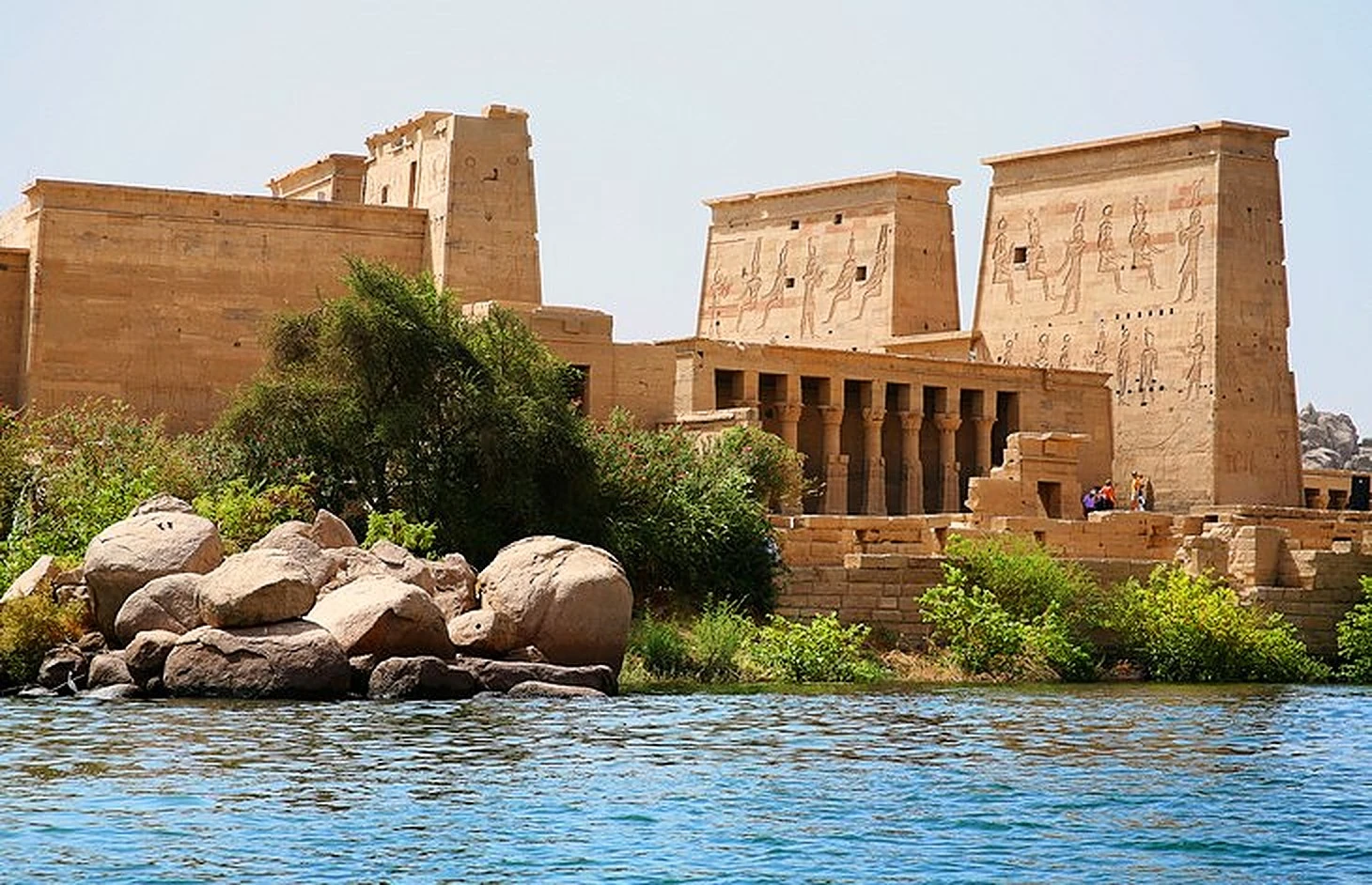
One of the most popular experiences combined with an Abu Simbel day trip from Aswan is visiting the stunning Philae Temple Aswan, famous for its island setting and connection to Isis mythology:
The Temple of Queen Nefertari—One of Egypt’s Most Beautiful Royal Monuments
While the Great Temple of Ramses II often receives the most attention, many travellers are surprised to discover that the nearby Temple of Queen Nefertari becomes one of the emotional highlights of an Abu Simbel day trip from Aswan.
Smaller in scale but extraordinary in symbolism, the temple carries a very different atmosphere.
Where the Great Temple emphasizes power, kingship, and monumental authority, the Temple of Nefertari introduces themes of devotion, elegance, partnership, and royal symbolism.
Why This Temple Is So Special
Ancient Egyptian queens held important ceremonial and political roles, but monuments of this scale dedicated to a queen were exceptionally rare.
This is one reason the Temple of Nefertari remains historically remarkable.
Ramses II dedicated the temple to the following:
- Queen Nefertari
- the goddess Hathor
This dual dedication creates an important symbolic relationship between royal identity and divine femininity.
Ramses II and Queen Nefertari
Queen Nefertari remains one of the most admired royal women in ancient Egyptian history.
She is often remembered for:
- intelligence
- influence
- diplomatic importance
- artistic legacy
- strong symbolic status
The dedication of such an impressive monument suggests her exceptional importance within Ramses II’s reign.
For many travellers, learning about Nefertari adds emotional depth to the visit, transforming the experience from monumental architecture into a more human historical story.
Architecture and Interior Details
The temple façade immediately stands out.
Large statues represent both Ramses II and Nefertari.
One detail surprises many visitors:
the queen’s statues appear unusually close in scale to those of the king.
This was highly unusual in ancient Egyptian royal representation and highlights Nefertari’s elevated symbolic status.
Inside, travelers encounter beautifully decorated chambers featuring:
- goddess imagery
- ceremonial scenes
- religious symbolism
- refined artistic carvings
The atmosphere often feels softer and more intimate than the neighbouring Great Temple.
Travelers interested in deeper historical exploration also enjoy discovering the remarkable story of Queen Nefertari, whose temple stands beside the Great Temple at Abu Simbel
The Incredible Story of Moving Abu Simbel
One of the most fascinating aspects of an Abu Simbel day trip from Aswan involves a story many travellers do not fully know before visiting.
The temples standing today are not located exactly where they originally stood.
Without one of the greatest preservation projects in modern history, Abu Simbel might have disappeared beneath rising waters.
The Threat from Lake Nasser
During the construction of the Aswan High Dam, water levels across southern Egypt changed dramatically.
The future reservoir—Lake Nasser—threatened to submerge multiple archaeological sites.
Abu Simbel faced serious danger.
Without intervention, the temples risked permanent flooding.
The UNESCO Rescue Project
An international preservation campaign emerged to save the monument.
The challenge was enormous.
Experts needed to protect colossal temples carved directly into rock while preserving their appearance, alignment, and historical integrity.
The solution required extraordinary engineering.
Dismantling and Relocation
Rather than allowing the site to disappear underwater, specialists carefully cut the temples into large sections.
These sections were:
- documented
- dismantled
- transported
- reconstructed at a higher elevation
The project successfully preserved both temples and recreated their original visual relationship with the landscape.
For many travellers, discovering this preservation story adds another layer of admiration to the experience.
Abu Simbel represents not only ancient achievement but also modern global cooperation to protect world heritage.
Best Time for an Abu Simbel Day Trip from Aswan
Timing can significantly shape the quality of the experience.
Because Abu Simbel sits deep within southern Egypt, weather conditions deserve careful consideration.
Early Morning Visits
Most travellers prefer early departures.
This timing offers several advantages:
- cooler temperatures
- softer light
- smoother sightseeing conditions
- stronger sunrise atmosphere
Early visits also help avoid harsher midday desert heat.
Winter Travel
The period between October and April is generally considered the most comfortable season for visiting Abu Simbel.
Cooler temperatures make:
- walking easier
- photography more comfortable
- exploration more enjoyable
This season remains particularly popular among international travellers.
Summer Considerations
Summer visits remain possible but require additional preparation.
Upper Egypt temperatures can become extremely intense.
Travellers visiting during warmer months should prioritize:
- light clothing
- hydration
- sun protection
- early scheduling
Practical Tips for Visiting Abu Simbel
Good preparation can make an Abu Simbel day trip from Aswan significantly smoother and more enjoyable.
What to Wear
Comfort matters.
Recommended clothing usually includes:
- breathable fabrics
- lightweight layers
- comfortable walking shoes
- sun protection accessories
Because the environment is sunny and exposed, practical clothing makes a noticeable difference.
What to Bring
Helpful essentials often include:
- water
- sunglasses
- sunscreen
- camera or phone
- hat
- small snacks
These small details become surprisingly valuable during long travel days.
Photography Advice
Photography conditions change dramatically throughout the day.
Morning light often produces the following:
- softer shadows
- clearer detail
- better color balance
- more comfortable shooting conditions
Travellers interested in photography may especially appreciate early arrivals.
Many first-time visitors also browse the full Egypt Travel Guide 2026 for practical travel advice, destination planning, and visitor tips
Suggested Abu Simbel Day Trip Itinerary
A well-planned Abu Simbel day trip from Aswan usually follows a relatively smooth structure.
Early Morning Departure
Begin with a pre-sunrise departure from Aswan.
The quiet desert atmosphere becomes part of the adventure itself.
Arrival and Temple Exploration
Upon arrival, travellers typically explore:
- Great Temple of Ramses II
- Temple of Queen Nefertari
- exterior viewpoints
- interior chambers
- carved reliefs
Allowing adequate time inside the site improves the experience considerably.
Guided Historical Experience
Understanding the historical background often transforms the visit.
Context involving:
- Ramses II
- ancient religion
- architecture
- symbolism
- preservation history
helps travellers appreciate far more than monumental scale alone.
Return Journey to Aswan
Following the visit, travellers return north toward Aswan.
Many visitors describe the drive back differently from the outbound journey.
The anticipation has transformed into reflection.
The experience begins settling into memory.
Combine Abu Simbel with Other Aswan Experiences
Because travellers are already exploring southern Egypt, many choose to combine Abu Simbel day trip from Aswan itineraries with additional destinations.
Popular combinations include:
Philae Temple
One of Aswan’s most atmospheric historical sites, famous for its island setting and connection to Isis mythology.
Nile Cruise Experiences
Many travellers connect Abu Simbel visits with broader Upper Egypt routes through Luxor and Nile cruise itineraries.
Nubian Villages
Adding cultural experiences creates balance between monumental archaeology and living traditions.
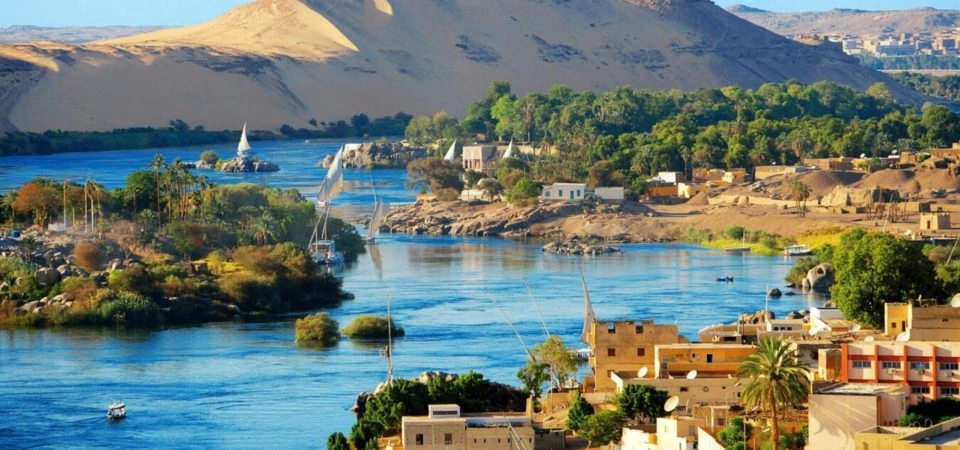
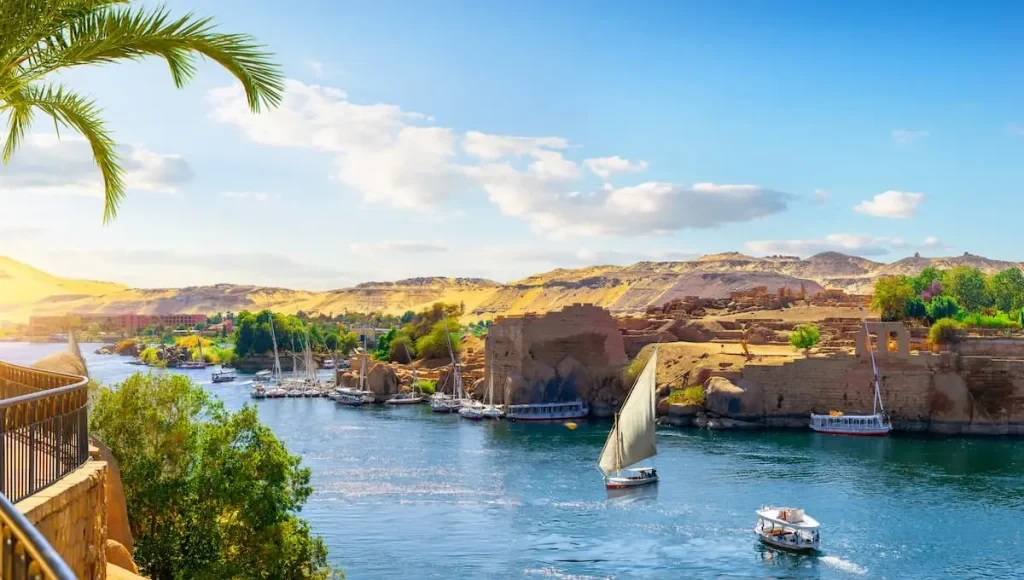
Aswan Corniche
For travellers staying overnight, ending the day beside the Nile provides a calmer conclusion after the desert journey.
Why Travelers Explore Abu Simbel with Traviaz
Experiencing Abu Simbel becomes far easier and more rewarding with organized planning and historical guidance.
Traviaz helps travellers explore Upper Egypt through:
- expert Egyptologist guides
- comfortable transportation
- luxury Egyptian experiences
- personalized itineraries
- seamless multi-city planning
Whether travellers want temples, Nile journeys, cultural exploration, or premium travel comfort, Traviaz helps create smoother and more meaningful Egypt experiences.
FAQs About Abu Simbel Day Trips from Aswan
Can you do Abu Simbel as a day trip from Aswan?
Yes. In fact, this is one of the most common ways travellers visit the site.
How long is the drive from Aswan to Abu Simbel?
The journey typically takes around 3–4 hours each way, depending on travel arrangements.
Is Abu Simbel worth visiting?
Absolutely.
Many travellers consider it one of the greatest highlights of their Egypt journey.
What time do Abu Simbel tours leave Aswan?
Most tours depart very early in the morning to maximize comfort and sightseeing conditions.
How much time do you need at Abu Simbel?
Many visitors spend around 2–3 hours exploring the temples.
Conclusion
Some destinations impress travellers through history.
Others impress through scale.
Abu Simbel delivers both.
The early desert departure, the monumental statues of Ramses II, the elegance of Queen Nefertari’s temple, and the extraordinary preservation story combine into an experience that feels larger than ordinary sightseeing.
For many travellers, an Abu Simbel day trip from Aswan becomes much more than an excursion.
It becomes one of the defining memories of Egypt itself.
For travelers ready to experience Abu Simbel, luxury Upper Egypt journeys, Nile cruises, and expertly planned cultural routes across Egypt, begin here with Traviaz


-webp.webp "Nubian Village Aswan")