
Queen Nefertari: The Legendary Egyptian Queen Who Still Captivates the World
Few women from the ancient world continue to inspire fascination quite like Queen Nefertari. Her beauty, intelligence, royal influence, and extraordinary legacy have made her one of the most admired queens in Egyptian history. Thousands of years after her death, travellers still journey across Egypt to explore her tomb, visit temples connected to her story, and understand why she held such an important place beside one of Egypt’s greatest pharaohs.
Known formally as Nefertari Meritmut, Queen Nefertari was the beloved wife of Ramesses II, often called Ramses the Great. Their relationship became one of the most famous royal partnerships of the ancient world. Ramses II honoured her in ways rarely seen for queens of ancient Egypt, including dedicating a temple to her at the Abu Simbel Temples.
But Queen Nefertari’s importance extended beyond beauty or royal marriage. Historical evidence suggests she held political influence, participated in diplomatic communication, and played an important role within religious and ceremonial life. Her image was carefully presented as elegant, intelligent, powerful, and deeply respected.
Today, her legacy survives through extraordinary monuments, especially the stunning Tomb of Nefertari in the Valley of the Queens. Often described as one of the most beautiful tombs in Egypt, it remains one of the greatest artistic treasures of the ancient world.
For travelers who want to experience the story of Queen Nefertari through expertly designed journeys across Luxor, Abu Simbel, Cairo, and Upper Egypt, Traviaz offers premium cultural travel experiences throughout Egypt
Queen Nefertari at a Glance
|
Topic |
Quick Fact |
|
Full Name |
Nefertari Meritmut |
|
Dynasty |
19th Dynasty |
|
Husband |
Ramses II |
|
Known For |
Royal influence, beauty, diplomacy |
|
Famous Tomb |
QV66 in the Valley of the Queens |
|
Major Monument |
Abu Simbel Temple |
|
Historical Legacy |
One of Egypt’s most celebrated queens |
These quick facts explain why Queen Nefertari remains one of the most searched royal women in Egyptian history.
Who Was Queen Nefertari?
Queen Nefertari lived during the 19th Dynasty of ancient Egypt and became the Great Royal Wife of Ramses II, one of the most powerful rulers of the New Kingdom period.
Although many details about her early life remain uncertain, historians believe she likely came from a noble or elite background. Her education appears to have been sophisticated, especially because evidence suggests she could read and write hieroglyphs—an impressive skill in ancient Egypt.
As queen, Nefertari occupied a highly visible and respected role within the royal court. Her name appears frequently in temples, inscriptions, and monuments connected to Ramses II’s reign.
What makes Queen Nefertari especially remarkable is the level of admiration shown toward her by Ramses II. Egyptian kings often had multiple wives, but Nefertari clearly held exceptional status. She appeared prominently beside the king in monuments and religious scenes, signalling her importance both politically and symbolically.
For modern historians and travellers alike, she represents more than royal elegance. She represents influence, prestige, intelligence, and the elevated role some women could achieve in ancient Egyptian society.
Many visitors interested in queens, temples, and pharaonic history also compare immersive ancient Egyptian tour packages before planning their journey
Why Queen Nefertari Was So Important in Ancient Egypt
Queen Nefertari was not simply a ceremonial figure standing beside a powerful king. Evidence suggests she played a meaningful role within the royal system.
Political Influence
Royal wives in ancient Egypt could influence court life, diplomacy, and religious representation. Nefertari’s visibility in official monuments suggests she held considerable prestige.
Religious Importance
Queens were often associated with divine femininity, fertility, protection, and sacred symbolism. Nefertari frequently appeared in religious scenes connected to goddesses and ritual life.
Diplomatic Role
Some surviving correspondence indicates Nefertari may have participated in diplomatic communication with foreign royal courts. This demonstrates trust, education, and status.
Symbol of Royal Power
Ramses II used monumental architecture and royal imagery to reinforce his authority. Presenting Nefertari prominently helped strengthen the image of a powerful and divinely supported royal family.
These elements explain why Queen Nefertari became one of the most historically significant women of ancient Egypt.
Visitors who want to connect Luxor, Cairo, and Abu Simbel into one smooth route often review a complete Egypt itinerary before booking:
Queen Nefertari and Ramses II: One of Ancient Egypt’s Most Famous Royal Relationships
One of the main reasons people search for Queen Nefertari is her relationship with Ramses II.
Ramses II ruled for decades and became one of Egypt’s most famous pharaohs. Yet despite his many royal wives, Nefertari stood out clearly.
In inscriptions, he described her with extraordinary affection and admiration.
One famous inscription connected to her temple at Abu Simbel states:
“The one for whom the sun shines.”
This poetic language reflects the importance she held within royal imagery.
Why Their Relationship Was So Famous
Royal relationships in ancient Egypt often served political purposes. However, the scale of honour Ramses II gave Nefertari suggests personal admiration as well.
Shared Monumental Presence
In several temples and carvings, Nefertari appears beside the king in unusually prominent ways. This visual equality was rare.
The Abu Simbel Temple Dedication
Perhaps the clearest example of Ramses II’s respect for Nefertari was dedicating a temple to her at Abu Simbel.
This was an extraordinary honour and remains one of the strongest symbols of her historical importance.
For travellers today, the story of Ramses II and Queen Nefertari adds emotional depth to Egypt’s monumental architecture.
No journey connected to Queen Nefertari is complete without experiencing the incredible Abu Simbel tour from Aswan and its monumental temples
The Tomb of Queen Nefertari: One of Egypt’s Greatest Artistic Treasures
The Tomb of Nefertari is widely considered one of the most beautiful tombs ever discovered in Egypt.
Located in the Valley of the Queens near Luxor, the tomb is officially known as QV66. It was discovered in the early 20th century and immediately became famous because of its extraordinary wall paintings.
Unlike many ancient tombs damaged by time, the art inside Nefertari’s tomb preserved remarkable colour, detail, and elegance.
Why the Tomb Is So Famous
The tomb combines artistic beauty with spiritual symbolism. Every wall reflects Egyptian beliefs about protection, rebirth, divine guidance, and the journey into eternity.
Extraordinary Wall Paintings
Scenes inside the tomb show Queen Nefertari interacting with gods, moving through sacred rituals, and preparing for eternal life.
The paintings are celebrated for:
- vivid colors
- elegant proportions
- delicate facial features
- symbolic detail
- exceptional preservation
Religious Symbolism
The tomb was designed not only as a burial place but also as a spiritual passage into the afterlife.
Gods such as Isis, Hathor, Osiris, and Anubis appear throughout the chambers, offering protection and guidance.
Why Travelers Dream of Visiting
For many travellers interested in ancient Egypt, entering the tomb of Queen Nefertari is one of the most unforgettable experiences in Luxor.
The atmosphere feels intimate, artistic, and deeply emotional compared with larger monumental spaces.
Queen Nefertari at Abu Simbel
One of the most extraordinary places connected to Queen Nefertari is Abu Simbel's temples.
Located near the southern border of Egypt, Abu Simbel remains one of the country’s most spectacular archaeological sites.
A Temple Built in Her Honor
Ramses II dedicated the smaller Abu Simbel temple to Nefertari and the goddess Hathor.
This was an exceptional honour because queens rarely received monuments on such a scale.
Rare Equality in Monument Design
One remarkable feature of the temple is that statues of Nefertari appear nearly equal in size to those of Ramses II.
In ancient Egyptian royal art, this was highly unusual and demonstrated her elevated status.
Symbolism and Legacy
The temple represented the following:
- royal harmony
- divine protection
- feminine power
- sacred queenship
For travelers, Abu Simbel offers one of the most visually impressive connections to the story of Queen Nefertari.
Queen Nefertari vs Queen Nefertiti
Many people confuse Queen Nefertari with Nefertiti, but they were completely different historical figures.
Different Dynasties
Nefertiti lived during the 18th Dynasty, while Nefertari belonged to the 19th Dynasty.
Different Husbands
Nefertiti was the wife of Akhenaten. Nefertari was the wife of Ramses II.
Different Historical Roles
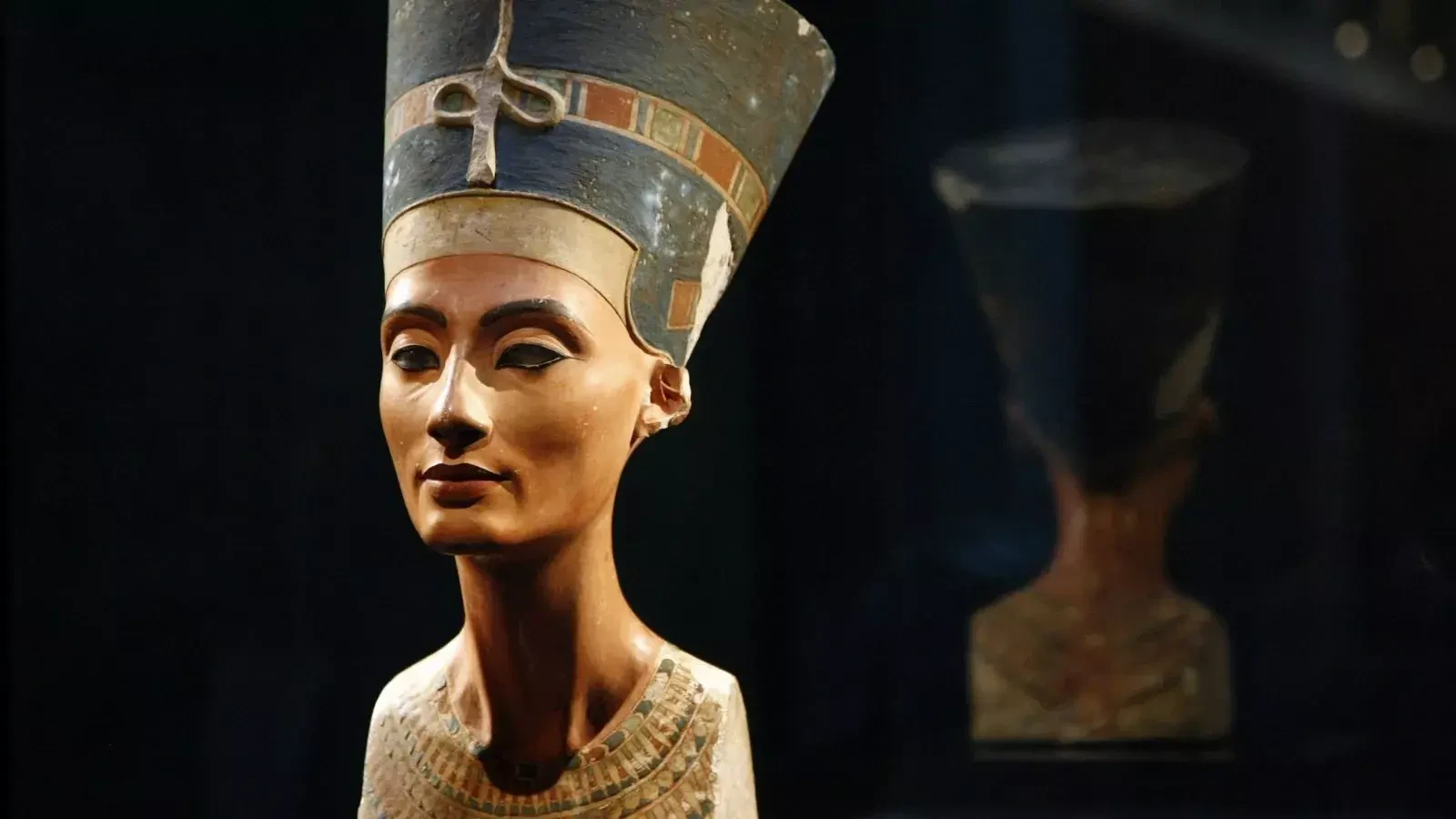
Nefertiti became famous for her iconic bust and connection to religious changes under Akhenaten.
Nefertari became famous for royal prestige, monumental honors, and her magnificent tomb.
Why People Confuse Them
The similarity in their names and their reputation for beauty often causes confusion.
Understanding this distinction is important when studying ancient Egyptian queens.
What Queen Nefertari Reveals About Women in Ancient Egypt
The story of Queen Nefertari also provides insight into elite women’s roles in ancient Egyptian society.
Royal Women Could Hold Influence
Queens could appear in diplomatic, religious, and ceremonial contexts.
Beauty and Intelligence Were Both Valued
Nefertari’s image emphasized elegance, but historical evidence also suggests education and sophistication.
Women Held Religious Importance
Royal women often represented divine femininity and sacred balance.
Art Preserves Female Prestige
Tombs and temples helped immortalize women’s roles within royal ideology.
For modern audiences, Queen Nefertari represents one of the strongest examples of feminine power in ancient Egyptian history.
Where Travelers Can Explore Queen Nefertari’s Legacy Today
One of the most exciting parts of studying Queen Nefertari is realizing that her legacy still exists physically across Egypt.
Luxor
Luxor remains the best destination for exploring royal tomb culture.
Tomb of Nefertari
Her tomb is considered one of Egypt’s greatest artistic masterpieces.
Valley of the Queens
This burial area contains tombs connected to royal women and children.
Abu Simbel Temples
One of the most iconic monuments connected to Nefertari and Ramses II.
Museums in Cairo
Artifacts and royal imagery help travellers better understand her era and influence.
Why Travelers Explore Ancient Egypt with Traviaz
Reading about Queen Nefertari is fascinating. Standing inside her tomb or seeing Abu Simbel at sunrise is unforgettable.
Traviaz helps travellers transform historical curiosity into meaningful real-world experiences through expertly designed Egypt journeys.
Expert Egyptologist Guides
Understanding royal symbolism, temple art, and tomb stories becomes far more powerful with professional guidance.
Luxor + Abu Simbel Smart Itineraries
Travellers can combine tomb exploration, temples, Nile experiences, and cultural discovery into one seamless route.
Comfortable Premium Travel
Instead of worrying about logistics, guests focus fully on the experience.
Deeper Historical Connection
The monuments become more meaningful when travellers understand the stories behind them.
Suggested Queen Nefertari Egypt Itinerary
Day 1 – Arrival in Cairo
Explore museums and prepare for Upper Egypt discoveries.
Day 2 – Fly to Luxor
Visit temples and the Valley of the Queens.
Day 3 – Explore the Tomb of Nefertari
Experience one of Egypt’s most breathtaking artistic sites.
Day 4 – Nile Cruise or Journey South
Travel through Upper Egypt landscapes.
Day 5 – Abu Simbel Experience
Visit the legendary temple dedicated to Queen Nefertari and Hathor.
FAQs About Queen Nefertari
Who was Queen Nefertari?
Queen Nefertari was the Great Royal Wife of Ramses II and one of ancient Egypt’s most admired queens.
Was Queen Nefertari the wife of Ramses II?
Yes. She was his most famous and honoured royal wife.
Why is Queen Nefertari famous?
She is famous for her beauty, influence, royal status, the Abu Simbel temple, and magnificent tomb.
Can tourists visit Queen Nefertari’s tomb?
Yes, though access rules and ticket conditions may vary.
Is Nefertari the same as Nefertiti?
No. They were different queens from different dynasties.
Conclusion
Thousands of years after her death, Queen Nefertari continues to captivate historians, travellers, and admirers of ancient Egypt.
Her story combines beauty, intelligence, political influence, artistic legacy, and one of the greatest royal love stories in Egyptian history. Through her tomb, temples, and royal imagery, she remains one of the most unforgettable women of the ancient world.
For travellers, exploring the legacy of Queen Nefertari creates a deeper connection with Egypt’s human story—not only its monuments, but the people behind them.
For those ready to discover Luxor, Abu Simbel, royal tombs, and the timeless beauty of ancient Egypt through expertly planned journeys, begin here with Traviaz



-webp.webp "Nubian Village Aswan")
-webp.webp "Abu Simbel Day Trip from Aswan")