
Ancient Egyptian Gods: The Powerful Deities Behind Egypt’s Greatest Civilization
The world of ancient Egyptian gods is one of the most fascinating parts of human history. Long before modern religions shaped civilizations across the globe, ancient Egyptians built a complex spiritual system filled with powerful gods, sacred myths, symbolic animals, and beliefs about life, death, nature, and eternity. These gods were not distant figures existing only in stories. Egyptians believed they actively controlled the world around them—from the rising of the sun to the flooding of the Nile River and the fate of souls in the afterlife.
Religion shaped nearly every aspect of ancient Egyptian life. Temples dominated cities, priests held influence, and pharaohs were viewed as divinely connected rulers chosen to maintain harmony between the gods and humanity. Egyptians prayed for protection, health, successful harvests, safe journeys, and eternal life after death. Because of this deep spiritual connection, the gods became central figures in Egyptian culture, art, architecture, and daily existence.
What makes ancient Egyptian gods especially fascinating today is how visually powerful and symbolic they remain. Gods appeared with falcon heads, jackal faces, ibis beaks, or solar crowns. Their stories were filled with betrayal, resurrection, protection, wisdom, chaos, and cosmic balance. Even thousands of years later, these myths continue inspiring books, films, museums, and travellers from around the world.
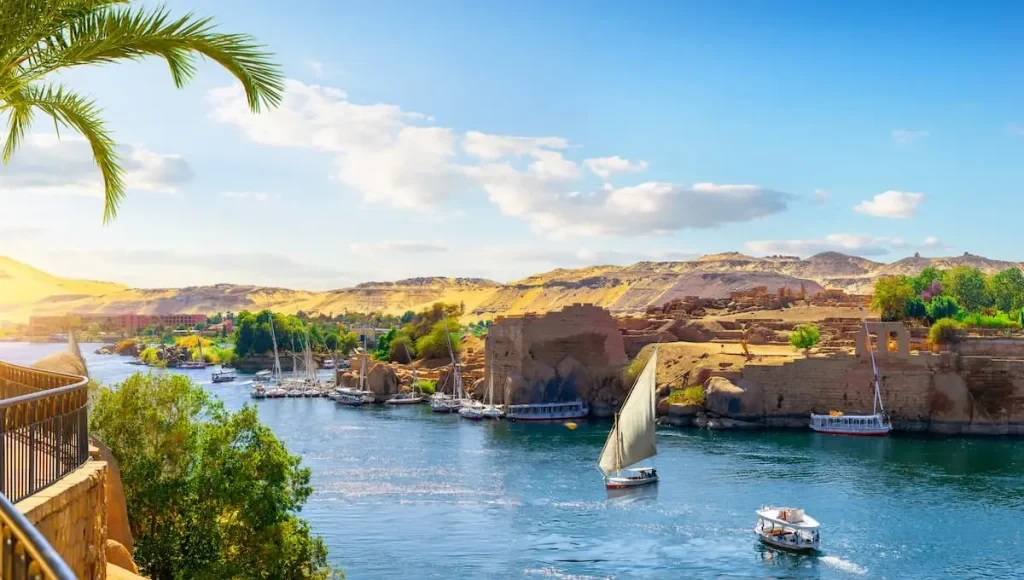
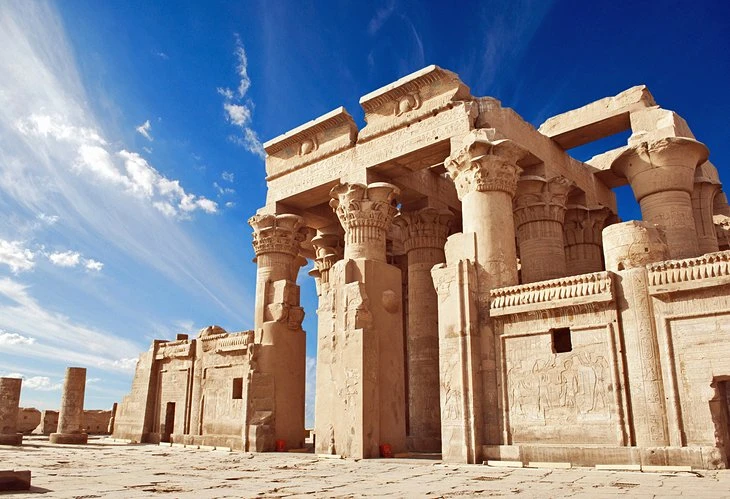
Modern visitors can still experience the world of Egyptian mythology firsthand. Temples dedicated to powerful gods still stand across Luxor, Aswan, Edfu, and other historical regions. Hieroglyphics carved into temple walls continue telling stories of divine battles and sacred rituals that shaped one of the greatest civilizations in history.
For travellers who want to explore Egypt’s mythological world through expertly designed journeys, Traviaz offers immersive cultural travel experiences across Cairo, Luxor, Aswan, and beyond: Traviaz Egypt Travel Packages
Ancient Egyptian Gods at a Glance
|
God |
Role in Ancient Egypt |
|
Ra |
God of the sun and creation |
|
Osiris |
God of the afterlife and resurrection |
|
Isis |
Goddess of magic and motherhood |
|
Horus |
God of kingship and the sky |
|
Anubis |
God of mummification and burial |
|
Thoth |
God of writing and knowledge |
|
Hathor |
Goddess of love, music, and joy |
|
Seth |
God of chaos and storms |
These are only some of the many deities worshipped in ancient Egypt, but they remain the most recognizable and influential.
Why Ancient Egyptian Gods Were So Important
To understand ancient Egypt, it is impossible to separate society from religion. The gods shaped politics, morality, agriculture, architecture, and ideas about death.
Religion Was Part of everyday life.
Ancient Egyptians did not view religion as separate from daily activities. Farming, travel, medicine, birth, burial, and even political decisions were connected to divine forces.
People prayed to different gods depending on their needs. A mother might seek protection from Isis, while a scribe might honour Thoth for wisdom and learning.
Pharaohs Were Connected to the Gods
Pharaohs were believed to have divine authority. They acted as intermediaries between humans and the gods. Maintaining harmony in the kingdom was considered both a political and spiritual responsibility.
Because of this belief, temples and monuments often portrayed pharaohs interacting directly with gods.
Gods Controlled Nature
The sun, Nile floods, storms, fertility, and the afterlife were all connected to divine power. Egyptians believed maintaining balance with the gods was essential for survival and prosperity.
Many visitors interested in Egyptian mythology also explore immersive Ancient Egypt tour packages before planning their journey across Cairo and Luxor:
The Afterlife Was Extremely Important
One reason ancient Egyptian gods became so influential was the Egyptian obsession with eternity. The afterlife was not viewed as fantasy — it was considered a continuation of existence that required preparation and divine approval.
Ra: The Powerful Sun God
Among all ancient Egyptian gods, Ra was one of the most important.
Ra represented the sun, creation, light, and cosmic order. Egyptians believed he travelled across the sky during the day and journeyed through the underworld at night before being reborn at sunrise.
This daily cycle symbolized renewal and eternal life.
Ra was often shown with a falcon head and a solar disk above his crown. Over time, his identity merged with other gods in forms such as Amun-Ra, combining royal and solar power.
Sun worship became especially influential because Egyptians depended heavily on natural cycles for farming and survival.
Even today, many temple alignments and solar symbolism throughout Egypt reflect the enormous importance of Ra.
Osiris: God of the Afterlife and Resurrection
Osiris was one of the most beloved and spiritually important Egyptian gods.
Osiris ruled the afterlife and represented resurrection, fertility, and eternal existence. According to mythology, he was murdered by his brother Seth but restored through the magic of Isis.
This story became one of the central myths of Egyptian religion because it symbolized death followed by rebirth.
Egyptians believed the dead hoped to become like Osiris in the afterlife. Tombs, funerary texts, and burial rituals were heavily connected to this belief.
Osiris was commonly depicted with green skin, symbolizing rebirth and vegetation.
For travellers visiting tombs and temples today, references to Osiris appear constantly throughout ancient Egyptian art.
Isis: Goddess of Magic, Protection, and Motherhood
Isis became one of the most respected goddesses in Egypt and eventually across parts of the ancient Mediterranean world.
She represented motherhood, healing, loyalty, protection, and magical power. In mythology, she used her intelligence and devotion to restore Osiris and protect her son Horus.
Many Egyptians prayed to Isis for family protection and healing.
Her image became especially powerful because she represented both emotional compassion and supernatural strength.
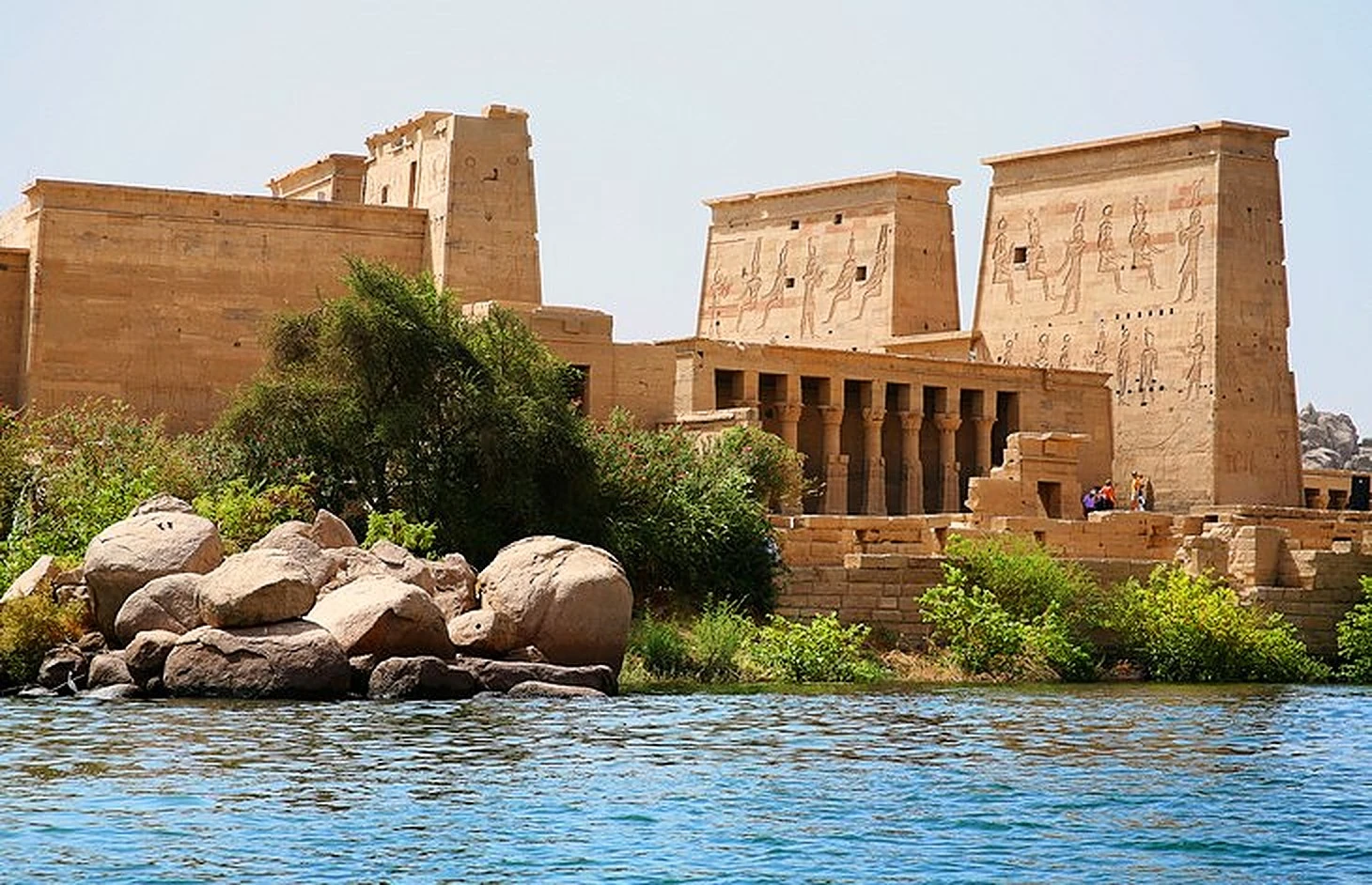
Temples dedicated to Isis, especially Philae Temple, remain among Egypt’s most beautiful historical sites.
Horus: The Falcon God of Kingship
Horus was strongly associated with kingship and divine authority.
Usually shown with a falcon head, Horus symbolized protection, royal legitimacy, and victory over chaos.
The famous mythological battle between Horus and Seth represented the struggle between order and disorder.
Pharaohs often identified themselves with Horus during their reigns. This connection reinforced the idea that rulers governed with divine support.
One of the best-preserved temples in Egypt, the Temple of Horus at Edfu, demonstrates how important Horus worship became.
Anubis: Guardian of Tombs and Mummification
Anubis remains one of the most visually recognizable Egyptian gods because of his jackal head.
Anubis was connected to burial rituals, tomb protection, and mummification. Egyptians believed he guided souls through the transition into the afterlife.
He also played a role in the “weighing of the heart” ceremony, where a person’s heart was judged against the feather of truth.
Because tomb preservation mattered deeply in Egyptian religion, Anubis became a major figure in funerary culture.
Visitors exploring royal tombs in Luxor often encounter images of Anubis guarding sacred spaces.
Thoth: God of Wisdom and Writing
Thoth represented knowledge, writing, science, calculation, and intellectual order.
Usually shown with an ibis head, Thoth was believed to record judgments in the afterlife and preserve sacred knowledge.
Scribes especially respected him because writing was essential to Egyptian administration and religion.
Among all ancient Egyptian gods, Thoth reflects the civilization’s respect for learning and organization.
Hathor: Goddess of Joy, Music, and Love
Hathor represented joy, beauty, motherhood, dance, music, and celebration.
She was often associated with femininity, love, and emotional warmth. Many festivals honouring Hathor involved music and public celebration.
Hathor was usually symbolized with cow imagery or horns surrounding a solar disc.
Her worship demonstrates that Egyptian religion was not focused only on death and judgment. Joy, beauty, and emotional connection were also sacred.
Seth: God of Chaos and Conflict
Seth represented storms, violence, conflict, and disorder.
He became famous for killing Osiris and battling Horus in mythology. Despite this negative reputation, Seth was not purely evil in the modern sense.
Egyptians understood chaos as a natural force that existed alongside order. Some pharaohs even respected Seth’s strength in warfare.
This complexity is one reason Egyptian mythology remains so interesting today.
Visitors who want to organize temples, tombs, and museum visits efficiently often review a complete Egypt itinerary before booking:
Ancient Egyptian Gods and the Afterlife
The afterlife was one of the most important themes in Egyptian religion.
Judgment of the Dead
Egyptians believed the soul faced judgment after death. During this process, the heart was weighed against the feather of Ma’at, representing truth and balance.
Osiris and Eternal Life
Osiris presided over the afterlife and symbolized resurrection.
Anubis and Burial Rituals
Anubis protected tombs and guided souls during transition.
The Book of the Dead
Texts placed inside tombs provided guidance through the dangers of the afterlife.
These beliefs shaped tomb construction, temple art, and mummification practices across ancient Egypt.
Why Did Egyptian Gods Have Animal Heads?
One of the most famous features of ancient Egyptian gods is their animal symbolism.
Animals represented qualities Egyptians admired or feared.
- Falcons symbolized vision and power
- Jackals represented cemeteries and protection
- Ibises symbolized intelligence
- Crocodiles represented danger and strength
- Cats symbolized protection and grace
- Cows symbolized motherhood and fertility
These combinations of human and animal forms created visually powerful symbols that communicated divine characteristics instantly.
Temples Dedicated to Ancient Egyptian Gods
Modern travellers can still explore extraordinary temples connected to Egyptian mythology.
Karnak Temple
One of the largest religious complexes ever built, associated with Amun-Ra and royal power.
Temple of Horus at Edfu
A remarkably preserved temple dedicated to Horus.
Philae Temple
One of Egypt’s most beautiful temple sites dedicated to Isis.
Luxor Temple
Closely connected to kingship and divine authority.
Abu Simbel
Monumental temples celebrating royal and divine power.
These locations allow travellers to experience mythology where it originally lived.
If Cairo is part of your route, these tailored Cairo vacation packages combine museums, pyramids, and ancient mythology experiences:
Where Travelers Can Explore Ancient Egyptian Mythology Today
Travellers interested in mythology have countless opportunities across Egypt.
Cairo Museums
Artifacts, statues, papyri, and funerary objects reveal religious beliefs in detail.
Luxor Temples
Luxor remains one of the best places to experience sacred architecture and mythology.
Nile Cruises
Travelling between temple cities creates a deeper understanding of how religion shaped Egyptian civilization.
Tomb Art and Hieroglyphics
Royal tombs preserve stories of gods, judgment, and eternity through painted walls and inscriptions.
Why Travelers Discover Ancient Egypt Better with Traviaz
Reading mythology is fascinating. Standing inside temples dedicated to ancient gods is unforgettable.
Traviaz helps travellers experience Egypt’s mythological world through expertly designed journeys.
Expert Egyptologist Guides
Symbols and stories become far more meaningful when explained clearly by specialists.
Smart Cairo and Luxor Itineraries
Travellers can combine museums, temples, tombs, and Nile experiences seamlessly.
Comfortable Premium Travel
Instead of struggling with logistics, travellers focus on discovery and experience.
Personalized Historical Journeys
Whether you love mythology, archaeology, or luxury cultural travel, experiences can be tailored to your interests.
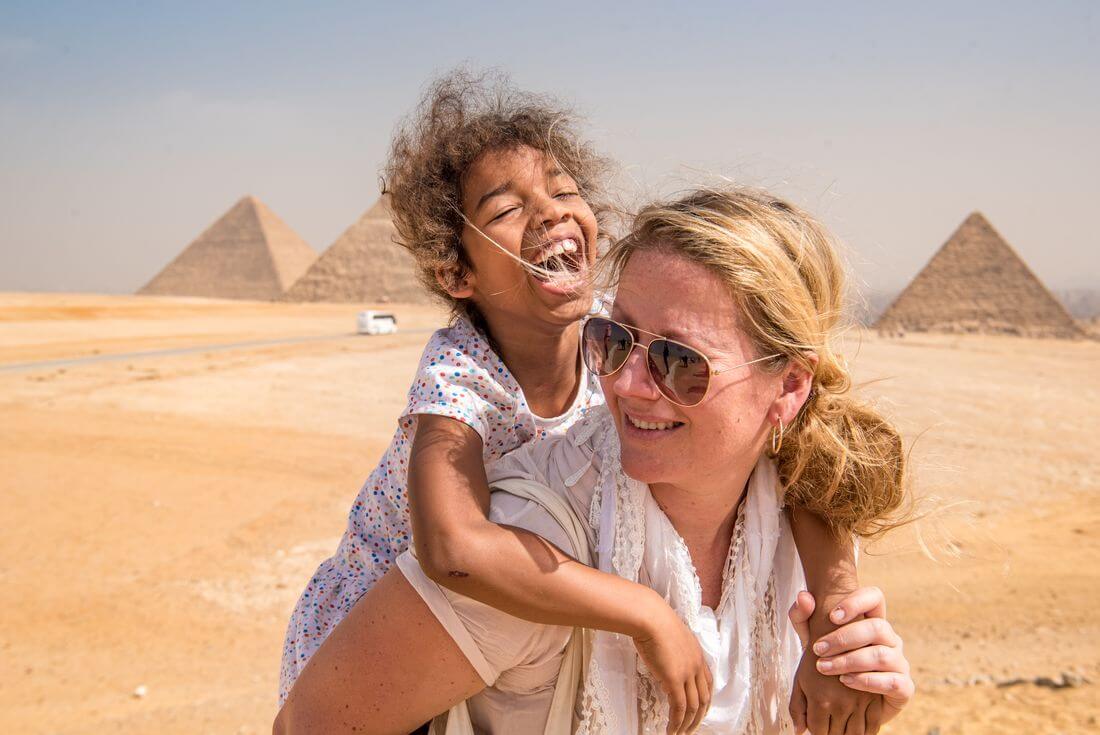
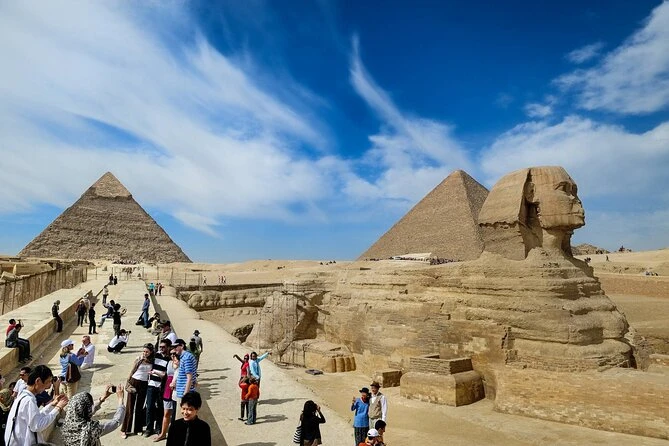
Many travellers also begin their mythological journey with unforgettable Giza pyramid tours connected to royal burial beliefs and sacred symbolism
Suggested 7-Day Ancient Egypt Mythology Journey
Day 1 – Cairo Arrival
Explore museums and introductory mythology collections.
Day 2 – Giza and Historical Cairo
Experience ancient royal symbolism and funerary culture.
Day 3 – Fly to Luxor
Visit Karnak and Luxor Temple.
Day 4 – Valley of the Kings
Explore afterlife beliefs and tomb mythology.
Day 5 – Edfu and Kom Ombo
Discover Horus worship and temple symbolism.
Day 6 – Aswan and Philae Temple
Experience the sacred world of Isis.
Day 7 – Departure or Nile Extension
Continue deeper into Upper Egypt if desired.
Travellers looking for convenience often compare premium all-inclusive trips to Egypt before choosing a mythology-focused Egypt vacation
FAQs About Ancient Egyptian Gods
Who was the most powerful Egyptian god?
Ra was one of the most powerful because he represented the sun and creation.
Was Anubis evil?
No. Anubis protected tombs and guided souls into the afterlife.
Why did Egyptian gods have animal heads?
Animals symbolized divine qualities such as power, intelligence, or protection.
Who was the god of death?
Osiris ruled the afterlife, while Anubis guided burial rituals.
Can travellers visit temples dedicated to Egyptian gods?
Yes. Egypt still contains many extraordinary temples connected to ancient mythology.
Conclusion: The Gods Who Still Define Egypt’s Mystery
The world of ancient Egyptian gods continues to fascinate people because it combines mythology, symbolism, spirituality, and human imagination on an extraordinary scale.
These gods shaped how Egyptians understood life, nature, kingship, death, and eternity. Their stories still survive through temples, tombs, statues, and inscriptions that remain visible thousands of years later.
For modern travellers, experiencing these sacred places in person creates a connection far deeper than reading mythology alone.
For those ready to explore Egypt’s mythological world through expertly planned journeys, begin here with Traviaz


-webp.webp "Nubian Village Aswan")
-webp.webp "Abu Simbel Day Trip from Aswan")