
Ancient Egyptian Tombs: Where Mystery, History, and Eternal Life Meet
Few subjects in world history inspire as much fascination as ancient Egyptian tombs. For centuries, travellers, scholars, filmmakers, and explorers have been captivated by stories of hidden chambers, royal burials, golden treasures, painted walls, and ancient beliefs about life after death. Even today, Egyptian tombs remain among the most intriguing monuments ever created.
But these sites were far more than burial places. Ancient Egyptian tombs were carefully designed spaces built to protect the dead, preserve identity, honour status, and prepare the soul for eternity. Every carved symbol, painted wall, burial object, and architectural detail had meaning. These tombs reflected a civilization that believed death was not an ending but a transition into another world.
What makes Egypt truly extraordinary is that many of these tombs still survive. Visitors can stand inside chambers decorated thousands of years ago, walk through valleys once reserved for kings, and witness some of the finest art of the ancient world. In places like Luxor, Saqqara, and Giza, history is not hidden behind glass—it can still be experienced in person.
For travellers who want to explore these timeless sites through expertly designed journeys, Traviaz offers premium Egypt experiences that combine comfort, expert guidance, and unforgettable historical access.
Ancient Egyptian Tombs at a Glance
|
Topic |
Key Facts |
|
Purpose |
Burial and preparation for the afterlife |
|
Built For |
Pharaohs, nobles, priests, elites |
|
Famous Areas |
Luxor, Saqqara, Giza |
|
Decoration |
Hieroglyphics, gods, symbolic scenes |
|
Burial Goods |
Jewelry, statues, food, furniture |
|
Why Visit Today |
Unique access to one of history’s greatest civilizations |
This is why ancient Egyptian tombs remain so compelling. They combine religion, architecture, politics, art, engineering, and mystery in a single experience.
What Were Ancient Egyptian Tombs?
At their core, ancient Egyptian tombs were eternal homes for the dead. Ancient Egyptians believed that after death, a person’s spirit continued into another realm. Because of this belief, burial required serious planning.
The body had to be preserved through mummification. The name of the deceased had to survive through inscriptions. Offerings had to be provided. Protective gods had to be invoked. Sacred texts and symbols had to guide the soul through the dangers of the afterlife.
This meant tombs were not built casually. They were highly spiritual constructions with practical and symbolic purposes.
The scale of the tomb usually reflected the importance of the person buried there. Pharaohs received the grandest monuments. Nobles, priests, and wealthy officials also created elaborate tombs filled with painted scenes and luxury objects.
For modern visitors, these tombs reveal something rare: not only how Egyptians lived, but how they imagined eternity.
Travellers who want to explore Egypt’s greatest historical wonders often begin with curated Egypt travel packages
The Evolution of Ancient Egyptian Tombs
One of the most fascinating parts of Egyptian history is how burial architecture changed over time.
Early Mastabas
Before pyramids, wealthy Egyptians were often buried in mastabas. These rectangular tombs had flat roofs and underground chambers. Though simpler than later monuments, they introduced ideas that shaped later tomb design: protected burial chambers, offering rooms, and ceremonial spaces.
Step Pyramid Innovation
The famous Step Pyramid of Djoser marked a revolutionary moment. It was one of the earliest monumental stone complexes and changed royal burial architecture forever.
True Pyramids
Later kings built true pyramids, including the legendary Great Pyramid of Giza. These were royal tomb complexes that demonstrated political power, divine kingship, and extraordinary engineering skill.
Hidden Valley Tombs
By the New Kingdom, rulers moved away from visible pyramids and chose hidden cliff tombs in the Valley of the Kings. This shift likely reflected growing concerns about tomb robbery and changing religious preferences.
Each phase tells a story of innovation, security, and changing ideas about death.
Many visitors interested in archaeology also compare premium Ancient Egypt tour packages before planning their journey
Why Were Ancient Egyptian Tombs So Important?
To understand ancient Egyptian tombs, it helps to understand how Egyptians viewed life and death.
Belief in Eternal Life
Ancient Egyptians believed the soul continued after death. But eternal life was not automatic. It required proper burial, sacred rituals, and spiritual preparation.
Protecting the Body
The preserved body remained important because the spirit needed to recognize and reunite with it. This is why mummification became so essential.
Preserving Identity
Names, titles, family images, and life achievements were carved into tomb walls. To be remembered was to continue existing.
Honoring Rank and Achievement
Tombs also reflected status. Powerful rulers and elites used them to demonstrate wealth, legacy, and prestige.
Maintaining Cosmic Order
Religion in ancient Egypt often focused on harmony and order. Proper burial helped preserve that balance.
These beliefs explain why tomb building was one of the most serious responsibilities in Egyptian life.
Inside Ancient Egyptian Tombs: What Travelers Discover
Walking inside a tomb today is one of Egypt’s most unforgettable experiences. Unlike statues seen in museums, tombs place visitors inside the original sacred environment.
Burial Chamber
This was the most protected room, where the coffin or sarcophagus was placed. It was often hidden deep inside the structure.
Sarcophagi and Coffins
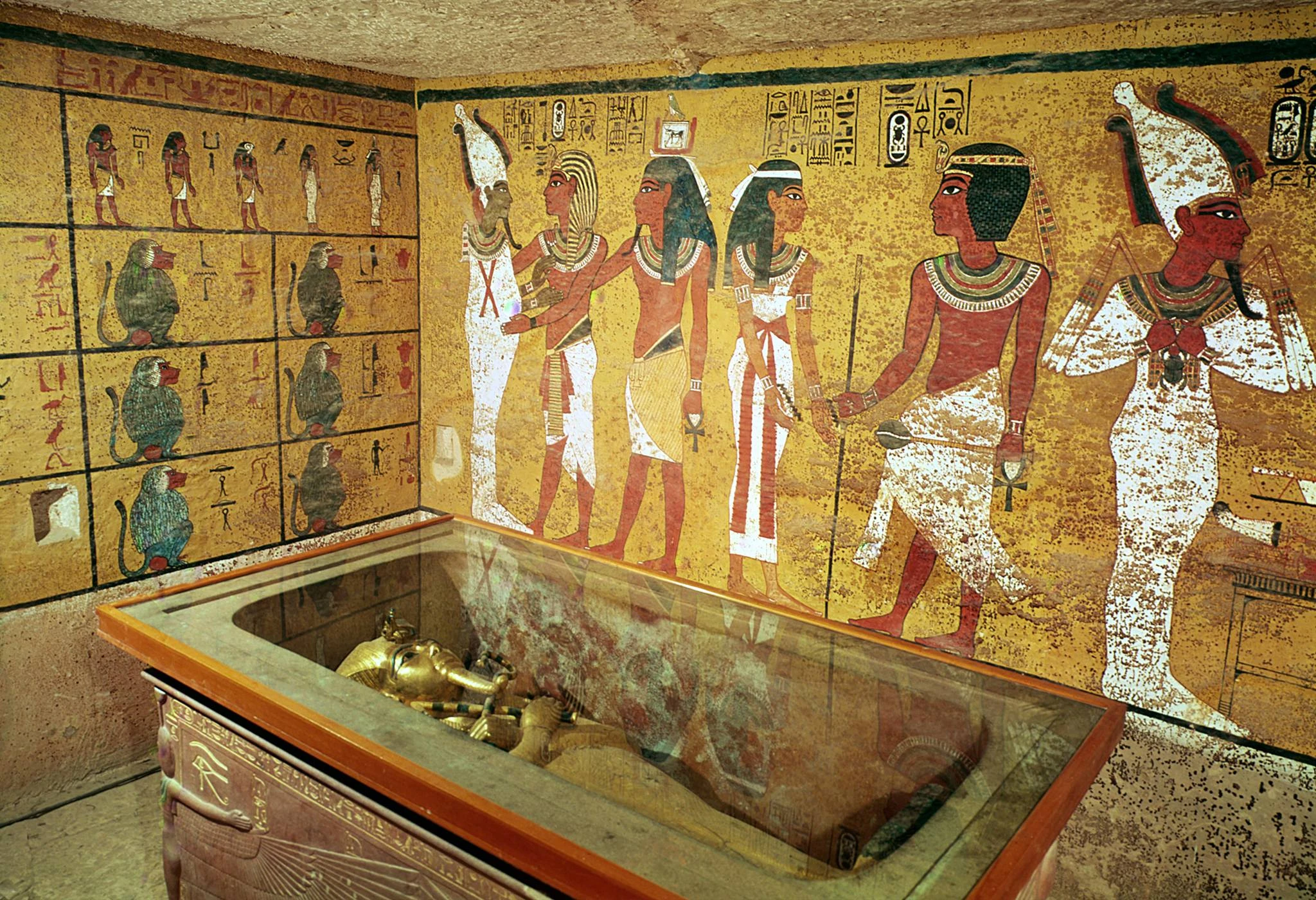
Many royal or elite burials used multiple nested coffins placed inside a stone sarcophagus. These were often beautifully painted or gilded.
Painted Walls
Walls frequently display gods, prayers, offering scenes, agricultural life, banquets, and journeys into the afterlife.
Hieroglyphic Texts
Inscriptions could include names, spells, prayers, and sacred guidance.
Burial Goods
Jewellery, cosmetics, furniture, weapons, clothing, food, and symbolic items were placed inside to serve the dead in eternity.
Security Features
Hidden doors, blocked corridors, heavy stones, and sealed chambers attempted to protect valuables.
For travellers, the emotional power of these interiors often comes from seeing colours and details that survived thousands of years.
Travellers fascinated by royal monuments often continue their research through immersive Egyptian historical tours that include temples, tombs, and legendary sites:
Most Famous Ancient Egyptian Tombs You Can Explore Today
Egypt offers some of the most extraordinary tomb experiences in the world.
Tutankhamun's Tomb
Perhaps the most famous tomb ever discovered, it became legendary after its 1922 excavation. Its treasures captured global imagination and introduced millions to ancient Egypt.
Even though many treasures are now in museums, visiting the tomb itself remains powerful.
Valley of the Kings
This royal valley contains the tombs of multiple pharaohs. Visitors can enter selected tombs and witness astonishing painted chambers.
For many travelers, this is the highlight of a Luxor journey.
Tomb of Nefertari
Often called one of Egypt’s most beautiful tombs, it is celebrated for vivid color and artistic elegance.
Saqqara Necropolis
Saqqara offers burial complexes spanning different dynasties and remains one of the richest archaeological landscapes in Egypt.
Great Pyramid of Giza
Though known globally as a pyramid, it was fundamentally built as a royal burial monument for Pharaoh Khufu.
Ancient Egyptian Tomb Art and Hidden Meanings
The decoration inside ancient Egyptian tombs was never random. Art carried symbolic purpose.
Gods such as Osiris, Anubis, Horus, and Ra often appear as protectors, judges, or guides of the dead.
Scenes of farming, fishing, servants, music, and banquets may have been intended to recreate abundance in the next life.
Colors also had meaning:
- Gold symbolized eternity and divine power
- Green suggested rebirth and renewal
- Blue represented heaven, water, and creation
- White symbolized purity
- Red could suggest energy, danger, or strength
Hieroglyphics recorded names and sacred formulas. In many cases, writing itself had protective power.
For modern travellers, tomb art feels astonishingly intimate. It reveals what people hoped, feared, and valued thousands of years ago.
Where to See Ancient Egyptian Tombs in Egypt Today
Travellers interested in ancient Egyptian tombs are fortunate because several major destinations remain accessible.
Luxor: The Ultimate Tomb Destination
Luxor is unmatched for tomb exploration. The Valley of the Kings, Valley of the Queens, and noble tombs make it the strongest destination for burial history.
Many of the world’s most famous tombs are located in Luxor, which is why travellers often choose a dedicated Luxor tour package:
Saqqara Near Cairo
Perfect for travellers beginning in Cairo, Saqqara Necropolis offers mastabas, pyramid complexes, and newly opened chambers.
If Cairo is part of your route, these curated Cairo vacation packages combine museums, pyramids, and nearby archaeological sites:
Giza Plateau
While famous for pyramids, Giza also forms part of the broader royal funerary landscape.
Museums
Many treasures removed from tombs can now be seen in Cairo museums, adding context before or after site visits.
A well-planned route allows travellers to connect these places into one meaningful historical journey.
Why Travelers Choose Traviaz to Explore Ancient Egyptian Tombs
Ancient sites are always more powerful when understood properly. That is why many travellers choose Traviaz.
Expert Egyptologist Guidance
Symbols, inscriptions, and burial beliefs can feel overwhelming without explanation. Professional guides transform walls into stories.
Smart Multi-City Itineraries
Traviaz helps travellers combine Cairo, Saqqara, Luxor, and other tomb destinations efficiently.
Comfortable Premium Travel
Instead of struggling with logistics, travellers focus on experience.
Deeper Historical Appreciation
The difference between seeing a tomb and understanding a tomb is enormous.
Personalized Experiences
Whether you want archaeology-heavy travel or balanced luxury touring, routes can be tailored to your interests.
Travellers seeking convenience often compare premium all-inclusive trips to Egypt before choosing a historical route:
Suggested 5-Day Tomb Lover Egypt Itinerary
For travellers especially interested in tombs, a focused short trip can still be excellent.
Day 1 – Arrival in Cairo
Rest and prepare for exploration.
Day 2 – Giza + Museum Collections
See royal burial traditions and monumental architecture.
Day 3 – Saqqara
Discover early tomb development and burial innovation.
Day 4 – Fly to Luxor
Visit the Valley of the Kings or selected tombs.
Day 5—Departure or Extended Journey
Many travellers continue south for more Luxor and Aswan discoveries.
This type of route shows how even a short Egypt trip can become extraordinary.
FAQs About Ancient Egyptian Tombs
What is the most famous ancient Egyptian tomb?
Tutankhamun’s tomb is likely the most famous because of its treasures and dramatic discovery.
Were pyramids tombs?
Yes. Major pyramids were royal tomb monuments.
Can tourists visit Egyptian tombs?
Yes. Many tombs in Luxor and other areas are open to visitors.
Why were treasures buried in tombs?
Egyptians believed possessions could serve the dead in the afterlife.
Which city has the best tombs in Egypt?
Luxor is usually considered the best destination for tomb exploration.
Conclusion
Reading about ancient Egyptian tombs is fascinating. Walking inside them is unforgettable.
These tombs were more than graves. They were sacred spaces built to preserve identity, protect the dead, and prepare souls for eternity. Through art, architecture, and symbolism, they still speak across thousands of years.
For modern travellers, visiting these sites creates a rare connection with one of humanity’s greatest civilizations.
For those ready to experience Egypt’s tombs, temples, and timeless wonders through expertly planned travel, begin here with Traviaz

-webp.webp "Nubian Village Aswan")
-webp.webp "Abu Simbel Day Trip from Aswan")