
Egyptian Culture: Traditions, Food, Family Values & Daily Life
When many people think of Egypt, the first images that come to mind are pyramids, temples, pharaohs, and ancient wonders. Those symbols are powerful, but they represent only one part of the country’s identity. The deeper story of Egypt is found in its people, customs, language, family life, food, celebrations, humour, and everyday rhythms. That is where Egyptian culture truly comes alive.
One of the most remarkable things about Egypt is the way it connects thousands of years of history with modern life. Egypt is not a country trapped in the past. It is a living society where ancient landmarks stand beside modern neighbourhoods, where traditional values exist alongside new global trends, and where young generations continue shaping the future while respecting deep cultural roots.
This balance between heritage and progress gives Egypt a unique personality. A traveller can spend the morning exploring a temple that is thousands of years old, have lunch in a modern restaurant, drink tea in a local café, and end the day in a lively urban district full of music and conversation. Few destinations offer that level of contrast so naturally.
Egypt’s geographic position has also shaped its culture. Located between Africa, the Middle East, and the Mediterranean, Egypt has long been a meeting point of civilizations, trade routes, ideas, and beliefs. Over centuries, it absorbed outside influences while maintaining a strong and recognizable national identity.
For visitors, understanding Egyptian culture transforms a trip. Instead of only seeing monuments, travellers begin to understand the people behind the place. They notice gestures of hospitality, family traditions, food rituals, social warmth, and the pride Egyptians feel toward their country.
For travellers who want to experience both Egypt’s famous landmarks and its living culture, thoughtfully designed journeys from Traviaz can make the experience far richer
Egyptian Culture at a Glance
|
Element |
Egyptian Culture Highlights |
|
Language |
Arabic (Egyptian dialect widely spoken) |
|
Religion |
Islam and Christianity |
|
Family |
Strong family ties and loyalty |
|
Food |
Rich, communal, flavorful |
|
Hospitality |
Warm and generous |
|
Arts |
Music, cinema, literature |
|
Identity |
Ancient roots with modern energy |
This summary gives only a quick snapshot. In reality, Egyptian culture is layered and diverse. Life in Cairo may feel very different from life in Upper Egypt or the Red Sea coast. Urban youth culture may differ from village traditions. Yet despite those differences, there are shared values that connect Egyptians across the country: respect, resilience, humor, family, and pride.
The Historical Roots of Egyptian Culture
To understand modern Egypt, it helps to understand how many civilizations helped shape it. Egypt’s story is not one era—it is many eras layered together.
Ancient Egyptian Civilization
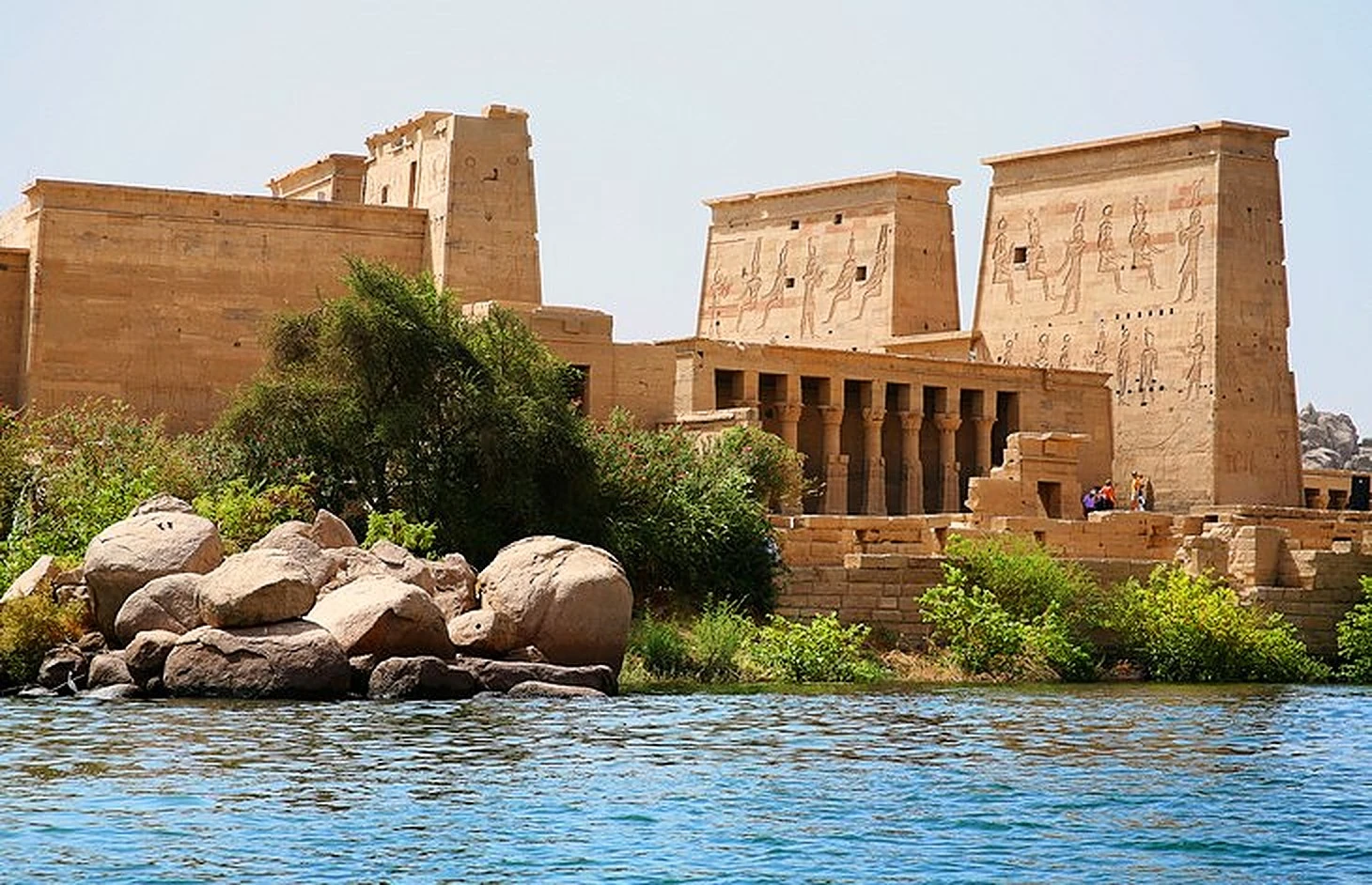
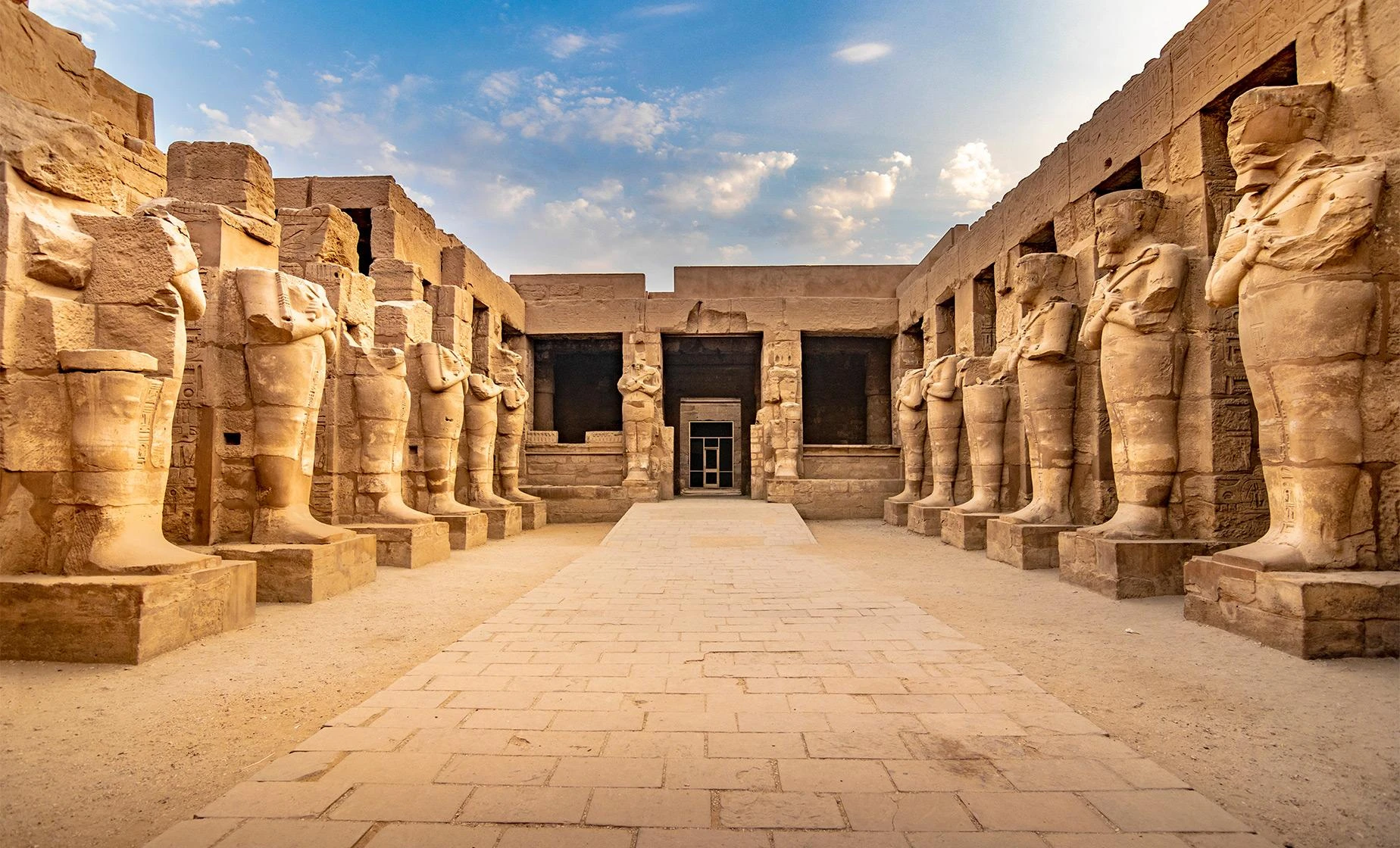
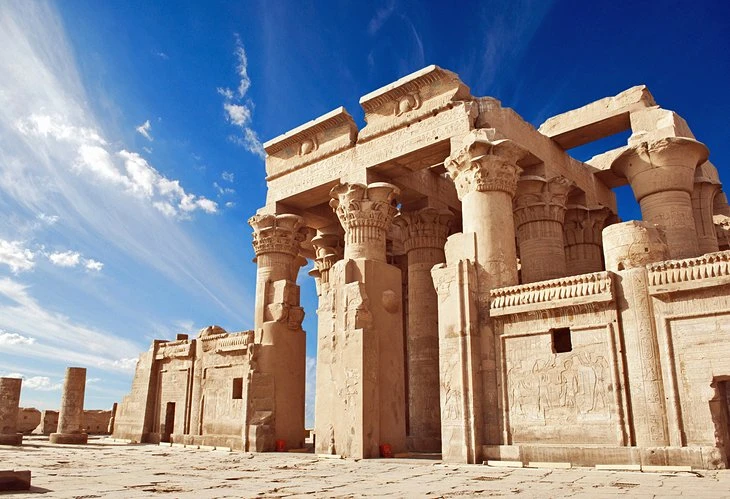
Ancient Egypt remains one of the strongest cultural symbols in the world. The pyramids, hieroglyphics, the Nile, temple walls, and royal tombs continue to influence how people see Egypt today. Egyptians often carry pride in belonging to a land that produced one of humanity’s greatest civilizations.
That influence goes beyond tourism. Ancient imagery appears in art, branding, education, and national storytelling. Schoolchildren grow up aware that their homeland played a major role in early architecture, mathematics, writing, and state organization.
Islamic and Arab Influence
From the 7th century onward, the Arabic language and Islamic civilization became central parts of Egyptian identity. Cairo grew into one of the most important intellectual, religious, and cultural centres in the region.
Mosques, traditional architecture, calligraphy, and Arabic literature all became part of Egypt’s cultural fabric. Today, many social customs, holidays, and daily rhythms still reflect this long Islamic heritage.
Coptic Christian Heritage
Egypt also has one of the oldest Christian traditions in the world. The Coptic Orthodox Church remains an important spiritual and cultural institution. Ancient churches, monasteries, religious festivals, and family traditions all contribute to the diversity of Egyptian culture.
Modern National Identity
Modern Egypt blends all of these layers into one identity. Egyptians may feel connected to ancient civilization, Arab language, African geography, Mediterranean openness, and contemporary national pride—all at the same time.
Family and Social Values in Egyptian Culture
Family is one of the strongest pillars of Egyptian culture. In many societies, family is important. In Egypt, family is often central.
Parents, children, grandparents, cousins, aunts, uncles, and extended relatives may remain closely connected throughout life. Family gatherings are common, especially during religious holidays, weddings, birthdays, and major life events. Even people living in busy modern cities often maintain regular contact with relatives.
Family is also a source of support. Emotional guidance, practical help, financial assistance, and advice often come through family networks. Important life decisions—education, marriage, career moves, relocation—may involve family discussion more than in highly individualistic societies.
Respect for elders is another major value. Older relatives are usually treated with honour, and their opinions may carry weight. Younger people are often taught manners that emphasize politeness toward parents and grandparents.
Beyond blood relatives, many Egyptians also create strong community-style relationships with neighbours, coworkers, and long-term family friends. Social bonds often extend wider than the immediate household.
For travellers, this family-centred culture is often visible in restaurants, parks, holiday gatherings, and evening street life where families spend time together.
Hospitality: One of the Most Memorable Parts of Egypt
Many visitors remember Egypt not only for monuments but also for how people treated them. Hospitality is deeply woven into Egyptian culture.
Guests are often welcomed warmly and offered tea, coffee, snacks, or a seat. Invitations to eat can come generously and sincerely. In homes, hospitality may involve serving the best available food or insisting guests feel comfortable before anything else.
Even outside homes, many travellers notice people willing to help with directions, recommendations, or conversation. While experiences vary—as in any country—the broader cultural tendency toward generosity is real.
Hospitality in Egypt is often tied to dignity and pride. Making a guest feel welcome reflects positively on the host. That is why small gestures can feel meaningful.
For travellers who approach local interactions respectfully, hospitality often becomes one of the most human and memorable parts of the trip.
Language and Communication in Egypt
Language is one of the most expressive parts of Egyptian culture.
Arabic is the main language, but everyday speech usually happens in Egyptian Arabic rather than formal Modern Standard Arabic. The Egyptian dialect is famous across the Arab world because of Egypt’s historic influence in cinema, television, comedy, and music.
This means many Arabic speakers from other countries understand Egyptian phrases even if they speak differently at home.
Egyptian communication style is often warm, animated, and conversational. People may use expressive hand gestures, humour, storytelling, and emotional tone more openly than in some cultures. Conversations can feel lively and personal.
Humor deserves special mention. Egyptians are widely known for wit and the ability to joke even in difficult situations. Comedy, wordplay, and sarcasm are common parts of social life.
In tourism zones, English is widely used, especially in hotels, airports, restaurants, and travel services. Many guides and tourism professionals also speak additional languages.
Travelers who learn a few Arabic greetings—such as “Salam Alaikum,” “Shukran,” or “Ahlan”—often find that locals appreciate the effort.
Egyptian Food Culture
Food is one of the best ways to understand Egyptian culture because meals are about more than eating. They are about comfort, generosity, routine, and togetherness.
Egyptian cuisine often uses ingredients such as rice, lentils, beans, bread, vegetables, herbs, garlic, tomato sauces, grilled meats, and spices. The flavours are usually rich and satisfying rather than overly complicated.
Popular dishes include:
- Koshari – a famous street-food style dish combining rice, pasta, lentils, chickpeas, onions, and tomato sauce
- Ful Medames – slow-cooked fava beans, especially popular at breakfast
- Molokhia – a green soup-like dish often served with rice or bread
- Mahshi – vegetables stuffed with seasoned rice
- Fattah – a festive dish of rice, bread, sauce, and meat often served during celebrations
Bread is especially important in Egyptian daily life. In fact, the Arabic word commonly used for bread can also imply life itself, showing how essential it is.
Tea is a major social ritual. Many Egyptians drink tea multiple times a day, especially while talking with family or friends. Coffee culture is also strong, particularly in cafés where people gather to socialize, play games, or watch football.
Travellers who explore local food often discover that meals become some of their strongest memories.
Religion and Celebrations in Egyptian Culture
Religion plays an important role in many aspects of Egyptian culture, influencing calendars, social rhythms, values, and celebrations.
Ramadan is one of the most meaningful times of the year. During the fasting month, daytime routines may slow down, while evenings become lively and festive. Streets often feature lanterns, decorations, and busy late-night gatherings. Families come together for iftar, the meal that breaks the fast after sunset.
Eid celebrations that follow Ramadan are joyful occasions marked by family visits, new clothes, gifts for children, sweets, and shared meals.
Christian communities also celebrate important religious occasions such as Coptic Christmas and Easter, often with church services, family gatherings, and traditional foods.
Weddings are another major cultural celebration. Egyptian weddings are often energetic and social, with music, dancing, formal dress, and large family participation.
For visitors, these festive periods can offer a unique cultural window into Egypt’s social life.
Music, Arts, and Entertainment in Egypt
Egypt has long been one of the cultural engines of the Arab world. Its music, cinema, and literature have shaped generations across the region.
Legendary singers such as Umm Kulthum and Abdel Halim Hafez remain icons whose songs still carry emotional power decades later.
Egyptian cinema historically dominated Arab screens, especially during the golden age of film. Cairo became known as a regional entertainment capital, producing movies, television dramas, and comedy widely watched across the Middle East.
Egypt has also produced major writers and thinkers, including Naguib Mahfouz, whose work introduced many international readers to Egyptian life and social complexity.
Today, Egypt’s creative scene continues through music, streaming content, fashion, visual arts, and digital media. Modern youth culture keeps adding new layers to older traditions.
Daily Life in Modern Egyptian Culture
Modern Egyptian culture is not only historical—it is current, fast-moving, and full of contrast.
In Cairo, life can feel energetic and intense. The city is crowded, ambitious, creative, and constantly in motion. Business districts, street vendors, luxury malls, old neighbourhoods, rooftop cafés, mosques, churches, and nightlife all exist side by side.
Outside Cairo, life often changes pace. Smaller towns and villages may feel slower and more relationship-based. In agricultural communities along the Nile, land and seasonal rhythms still matter deeply.
Young Egyptians navigate both local values and global influences. They engage with social media, entrepreneurship, fashion, sports, music trends, and technology while also balancing expectations around family and tradition.
One of the defining traits many visitors notice is resilience. Egyptians have a reputation for adapting to challenges while maintaining humor and social warmth.
Egyptian Culture for Travelers: What Visitors Should Know
Understanding local etiquette helps travellers enjoy Egypt more comfortably and respectfully.
Polite greetings matter. A friendly hello and respectful tone can open many doors.
Dress expectations vary. Tourist areas are generally relaxed, but modest clothing is wise in religious sites or more conservative neighbourhoods.
Bargaining can be part of market culture, especially in traditional souqs. It is often more social than confrontational, and a calm, respectful attitude works best.
When entering mosques or churches, modest dress and respectful behaviour are important. Always follow local guidance.
Photography norms can vary too. It is courteous to ask permission before taking close photos of people.
Travellers who show curiosity and respect often receive warmth in return.
Why Experiencing Egyptian Culture Matters More Than Just Seeing Landmarks
Many visitors arrive focused on monuments and leave talking about people.
They remember sharing tea in a shop, hearing evening sounds echo through old streets, tasting food made from family recipes, or laughing during a casual conversation with locals.
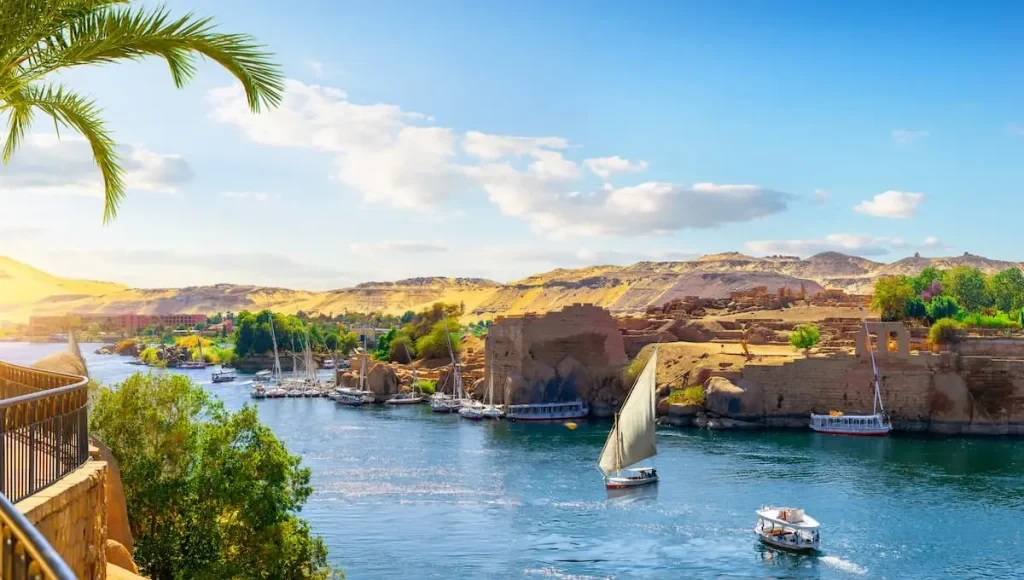
The pyramids are unforgettable, but so is the feeling of Cairo at night. Luxor’s temples are extraordinary, but so is sitting beside the Nile at sunset watching ordinary life continue around you.
This is why Egyptian culture matters so much. It turns sightseeing into connection.
Travellers who want both iconic landmarks and authentic experiences often choose thoughtfully planned journeys from Traviaz
FAQs About Egyptian Culture
What is Egyptian culture known for?
Egyptian culture is known for ancient heritage, hospitality, strong family values, food traditions, music, and national pride.
Is Egyptian culture Arab or African?
It includes Arab, African, Mediterranean, and uniquely Egyptian influences.
What language do Egyptians speak?
Arabic is the main language, especially Egyptian Arabic in daily life.
Are Egyptians friendly to tourists?
Many travellers describe Egyptians as warm, humorous, and welcoming.
What food represents Egypt?
Popular examples include koshari, ful medames, molokhia, mahshi, and traditional breads.
Conclusion
Ancient monuments may introduce Egypt to the world, but Egyptian culture is what gives the country its soul.
It lives in family gatherings, neighbourhood cafés, festive holidays, music, humour, hospitality, and the quiet pride people feel toward their homeland. It is visible in how people welcome guests, share meals, maintain traditions, and adapt to modern life without losing identity.
Understanding Egyptian culture transforms travel from simply seeing places into understanding people.
For travellers who want to experience both Egypt’s wonders and its everyday richness, thoughtfully planned journeys can make all the difference.


-webp.webp "Nubian Village Aswan")
-webp.webp "Abu Simbel Day Trip from Aswan")