
Eyes of Horus: The Ancient Egyptian Symbol of Protection, Power, and Healing
Few symbols from the ancient world are as recognizable or mysterious as the Eyes of Horus. For thousands of years, this powerful symbol has fascinated historians, travellers, spiritual seekers, artists, and lovers of ancient mythology. Appearing on temple walls, jewellery, royal objects, tomb decorations, and protective amulets, the Eye of Horus became one of the most important symbols in ancient Egyptian civilization.
But the Eyes of Horus were far more than decorative designs. To the ancient Egyptians, they represented protection, healing, restoration, royal authority, spiritual awareness, and victory over chaos. The symbol was deeply connected to mythology and religion, especially the legendary story of Horus and Set—one of the most important myths in Egyptian history.
Even today, the Eye of Horus continues to appear in jewellery, tattoos, fashion, films, books, and spiritual symbolism around the world. Its mysterious appearance and layered meaning make it one of the most enduring symbols ever created.
For travellers visiting Egypt, seeing the Eye of Horus in its original context creates a completely different experience. Temple carvings in Edfu, tomb paintings in Luxor, and ancient artifacts in Cairo museums reveal how central this symbol was to Egyptian life and belief.
For travelers who want to explore Egypt’s mythology, temples, royal tombs, and ancient symbols through expertly designed journeys, Traviaz offers premium cultural travel experiences across Cairo, Luxor, Edfu, and beyond
Eye of Horus at a Glance
|
Topic |
Quick Fact |
|
Symbol Name |
Eye of Horus |
|
Associated God |
Horus |
|
Main Meaning |
Protection and healing |
|
Ancient Use |
Jewelry, tombs, temples |
|
Related Myth |
Horus vs Set |
|
Common Modern Use |
Jewelry, tattoos, spiritual art |
|
Symbolic Themes |
Power, restoration, wisdom |
These quick facts help explain why the Eyes of Horus remain one of the most searched and recognized symbols from ancient Egypt.
Travellers fascinated by ancient Egyptian mythology often begin with curated Ancient Egypt tour packages designed around temples, tombs, and legendary symbols:
What Is the Eye of Horus?
The Eye of Horus is an ancient Egyptian symbol connected to the god Horus, one of the most important deities in Egyptian mythology.
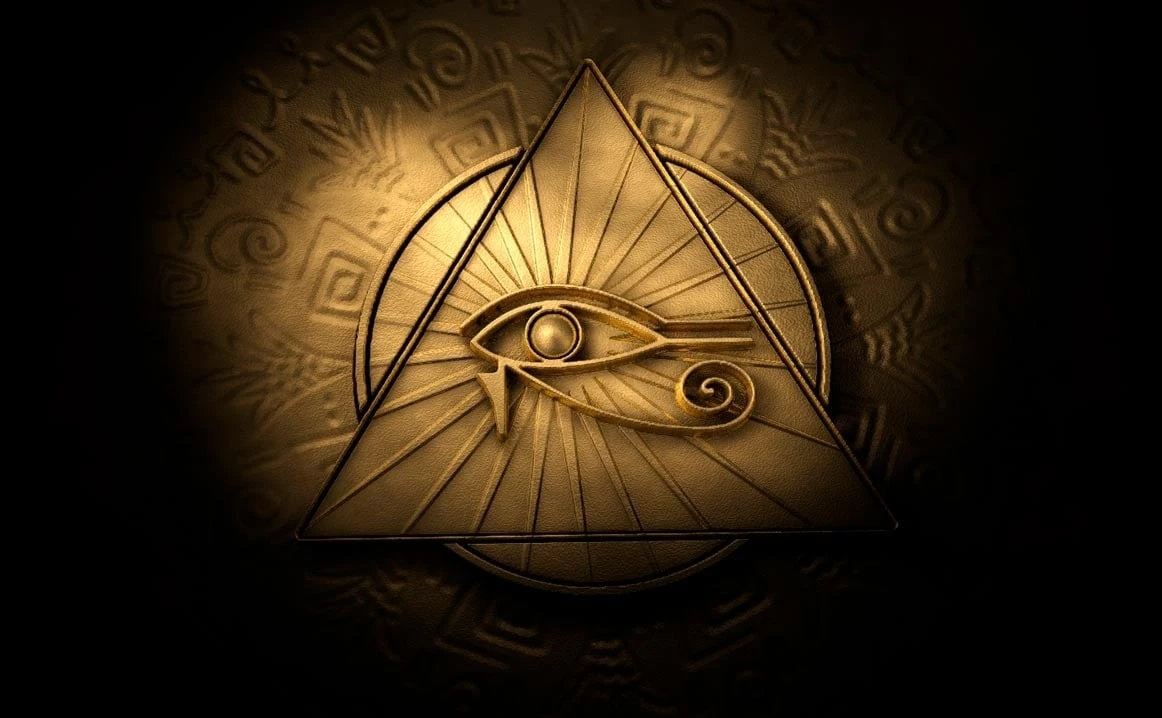
Visually, the symbol resembles a stylized human eye with distinctive markings inspired partly by a falcon, the animal associated with Horus. The design includes curved lines beneath the eye and an elongated shape extending outward, creating the symbol recognized worldwide today.
In ancient Egypt, the Eye of Horus represented:
- protection
- healing
- restoration
- royal power
- spiritual balance
- divine guidance
The symbol appeared on amulets, jewellery, temple walls, royal objects, coffins, and tomb decorations. Egyptians believed it carried protective energy capable of defending both the living and the dead from danger.
One reason the Eyes of Horus became so important was the mythological story connected to the symbol. According to Egyptian belief, the eye represented a sacred restoration after conflict and suffering.
This deeper meaning transformed the symbol into far more than artwork. It became a spiritual emblem of survival and renewal.
The Myth Behind the Eyes of Horus
To fully understand the meaning of the Eyes of Horus, it is essential to understand the myth of Horus and Set.
This story was one of the most important narratives in ancient Egyptian religion.
Horus and Set: The Conflict Between Order and Chaos
According to mythology, Horus was the son of Osiris and Isis. After Osiris was killed by his brother Set, Horus eventually challenged Set in a struggle for kingship and justice.
This conflict symbolized more than family rivalry. It represented:
- order versus chaos
- justice versus violence
- rightful rule versus destruction
The battle between Horus and Set became a foundational myth within Egyptian civilization.
The Loss of Horus’s Eye
During one version of the conflict, Horus lost one of his eyes in battle.
This injury became central to the symbolism of the Eye of Horus because the damaged eye later underwent restoration.
Healing and Restoration
The eye was magically restored, often associated with the god Thoth, who represented wisdom and knowledge.
Because the eye returned whole again, it became a symbol of healing, recovery, and renewal.
This restoration is one reason the Eyes of Horus became associated with protection and spiritual strength.
Symbol of Victory
The restored eye also symbolized triumph after hardship. It represented the idea that balance and order could return even after violence and loss.
For ancient Egyptians, this made the symbol emotionally and spiritually powerful.
One of the best places to explore Horus mythology is through a dedicated Edfu Temple tour experience in Upper Egypt
What Do the Eyes of Horus Symbolize?
The meaning of the Eyes of Horus evolved over time, but several themes remained central.
Protection
The Eye of Horus was most strongly associated with protection. Egyptians believed it could guard people from danger, illness, evil forces, and spiritual harm.
Protective amulets featuring the eye were worn by both the living and the dead.
Healing and Recovery
Because the eye was restored after injury, it became connected to healing and physical recovery.
This symbolism made it especially important in funerary and spiritual contexts.
Strength and Royal Power
Horus himself represented kingship and divine authority. As a result, the eye also symbolized power and legitimate rule.
Pharaohs often associated themselves with Horus to reinforce their authority.
Wisdom and Awareness
The eye’s connection to divine perception gave it associations with intelligence, awareness, and spiritual insight.
Balance and Harmony
The restoration of the eye symbolized the return of order after conflict, an important theme in Egyptian religion.
Many visitors exploring mythological history also enjoy discovering the story behind famous Ancient Egyptian Inventions and cultural achievements
Eye of Horus vs Eye of Ra
One of the most common questions people ask about the Eyes of Horus involves the difference between the Eye of Horus and the Eye of Ra.
Although the symbols look somewhat similar, they represent different ideas.
The Eye of Horus
The Eye of Horus is primarily associated with:
- healing
- restoration
- protection
- balance
It is linked directly to Horus and the myth involving his injured and restored eye.
The Eye of Ra
The Eye of Ra is associated with:
- solar power
- destruction
- divine wrath
- authority
It is connected to the sun god Ra and often represents active divine force.
Why People Confuse Them
Both symbols use eye imagery and appear in Egyptian religious art. However, their mythological meanings differ significantly.
Understanding this distinction helps travelers and history enthusiasts interpret Egyptian symbolism more accurately.
How Ancient Egyptians Used the Eyes of Horus
The Eyes of Horus appeared throughout Egyptian society in both religious and practical ways.
Jewelry and Protective Amulets
One of the most common uses was in amulets worn for protection.
People believed the eye could defend them against illness, misfortune, jealousy, and spiritual danger.
Amulets made from gold, faience, stone, or glass often featured the symbol.
Tomb and Burial Protection
The Eye of Horus frequently appeared in tombs and funerary objects because Egyptians believed it could protect the dead during the journey into the afterlife.
The symbol often appeared on coffins, walls, and burial equipment.
Temple Decorations
Temples dedicated to Horus and other gods included eye imagery in carvings and reliefs.
Royal Symbolism
Kings associated themselves with Horus to strengthen royal legitimacy and divine authority.
Healing Rituals
Some religious rituals connected the eye with restoration and health.
This wide range of uses explains why the Eyes of Horus became one of Egypt’s most enduring symbols.
Travelers seeking a smoother historical experience often compare luxury All Inclusive Trips to Egypt before choosing a cultural route
Eyes of Horus in Ancient Egyptian Art and Architecture
One reason the Eye of Horus remains so visually powerful today is the extraordinary artistic skill of ancient Egyptian civilization.
The symbol appears in:
- temple carvings
- tomb paintings
- jewelry
- ceremonial objects
- statues
- royal decorations
- sacred inscriptions
Its design was elegant yet highly symbolic.
Tomb Art
Inside royal tombs, Eye of Horus imagery often protected the deceased spiritually.
Temple Reliefs
In temple complexes, the symbol reinforced divine protection and sacred authority.
Artistic Precision
Egyptian artists used consistent proportions and symbolic detail to maintain recognizable meaning across centuries.
For modern travelers, seeing these symbols carved into ancient stone creates a much stronger emotional impact than seeing them online or in books.
Where Travelers Can See the Eyes of Horus in Egypt Today
One of the most exciting aspects of studying the Eyes of Horus is realizing that the symbol still appears across Egypt’s most important archaeological sites.
Temple of Edfu
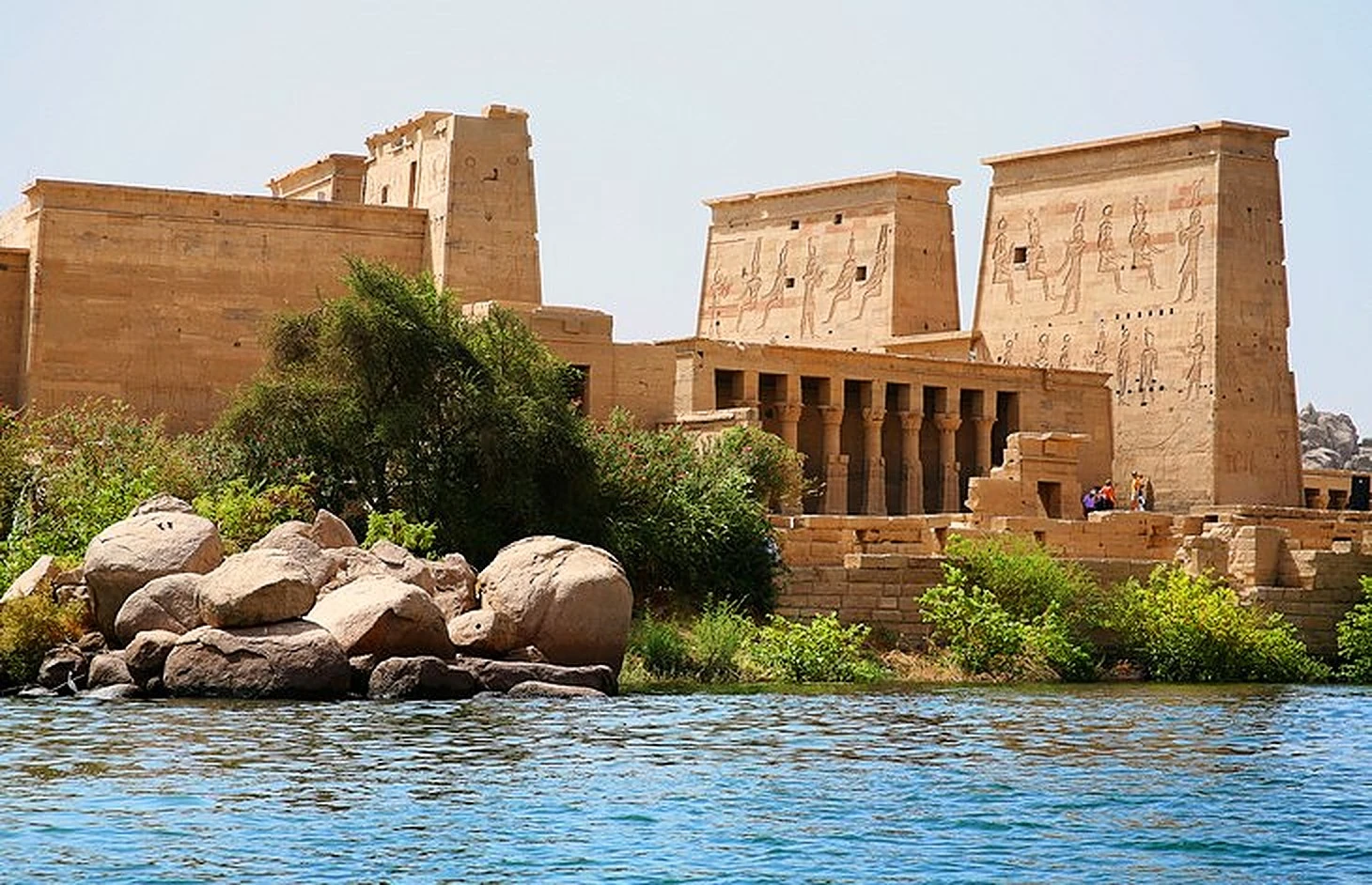
Dedicated to Horus himself, this is one of the best places in Egypt to explore symbolism connected to the god.
The temple remains exceptionally well preserved and offers extraordinary carvings and mythological imagery.
Karnak Temple
One of Egypt’s greatest temple complexes, filled with sacred symbolism and monumental religious art.
Valley of the Kings
Royal tombs often contain protective eye symbolism connected to afterlife beliefs.
Grand Egyptian Museum
Artifacts featuring Eye of Horus imagery help visitors understand how widely the symbol was used.
Cairo Markets and Museums
Modern Egypt still reflects fascination with the symbol through jewelry, artwork, and souvenirs inspired by ancient design.
Why Travelers Explore Ancient Egyptian Mythology with Traviaz
Reading about the Eyes of Horus is fascinating. Seeing these symbols carved into temples and tombs is unforgettable.
Traviaz helps travelers experience ancient Egyptian mythology through thoughtfully designed journeys across Egypt’s most important historical destinations.
Expert Egyptologist Guides
Symbols and myths become far more meaningful when explained clearly by knowledgeable guides.
Luxor and Edfu Smart Itineraries
Travelers can combine temples, tombs, Nile journeys, and mythological history into one seamless route.
Premium Historical Experiences
Comfortable planning allows visitors to focus fully on exploration and discovery.
Storytelling Beyond Sightseeing
Ancient Egypt becomes much more powerful when travellers understand the stories behind its symbols.
Suggested 5-Day Ancient Egyptian Mythology Journey
Day 1 – Arrival in Cairo
Explore museums and prepare for mythological discovery.
Day 2 – Giza and the Grand Egyptian Museum
Discover sacred symbolism and royal artifacts.
Day 3 – Fly to Luxor
Visit monumental temple complexes and royal tombs.
Day 4 – Edfu Temple Experience
Explore one of the best-preserved temples dedicated to Horus.
Day 5 – Nile Experience or Departure
Extend the journey through Upper Egypt or conclude the experience.
FAQs About the Eyes of Horus
What do the Eyes of Horus mean?
They symbolize protection, healing, restoration, and spiritual power.
Is the Eye of Horus good or evil?
In Egyptian mythology, it was primarily considered a protective and positive symbol.
What is the difference between the Eye of Horus and the Eye of Ra?
The Eye of Horus represents healing and protection, while the Eye of Ra is more associated with solar power and divine force.
Why did ancient Egyptians wear the Eye of Horus?
They believed it offered protection against danger and spiritual harm.
Can travelers still see Eye of Horus symbols in Egypt today?
Yes. The symbol appears in temples, tombs, museums, and historical artifacts throughout Egypt.
Conclusion: A Symbol That Survived Thousands of Years
Few ancient symbols have survived with as much mystery and cultural power as the Eyes of Horus.
What began as part of a mythological story became one of the most important spiritual symbols in ancient Egypt. It represented healing after suffering, protection against danger, divine authority, and the triumph of order over chaos.
Thousands of years later, the Eye of Horus still fascinates the world because its meaning feels timeless.
For travelers, exploring these symbols inside Egypt’s temples, tombs, and museums creates a deeper connection with one of humanity’s greatest civilizations.
For those ready to discover Egypt’s mythology, sacred art, royal history, and legendary temples through expertly planned cultural journeys, begin here with Traviaz



-webp.webp "Nubian Village Aswan")
-webp.webp "Abu Simbel Day Trip from Aswan")