
Aswan Sightseeing Guide 2026 | Top Attractions & Travel Tips
Aswan is one of Egypt’s most captivating destinations—a city where the Nile feels calmer, the pace is slower, and the culture is deeply connected to Nubian heritage. Located in the far south of the country, Aswan offers a distinct travel experience compared to Egypt’s busier archaeological hubs. For many travellers, Aswan sightseeing becomes the perfect balance to the intensity of Luxor: less crowded, more scenic, and richly cultural.
Overview of Aswan
Aswan sits along a particularly beautiful stretch of the Nile, framed by granite hills, small islands, and golden desert landscapes. Its history spans ancient Egypt, Nubia, and modern engineering achievements, creating a destination where temples, museums, markets, and river life come together naturally. Whether you’re planning a Nile cruise or travelling overland, Aswan Sightseeing brings together iconic monuments and authentic local experiences in a way few Egyptian cities can match.
Why It’s Different from Luxor
Luxor is often described as Egypt’s open-air museum—dense with monumental temples and royal tombs that can feel overwhelming in the best way. Aswan, in contrast, feels more spacious and scenic. The attractions are spread out, the environment is quieter, and there’s a stronger sense of everyday life along the river. This is exactly why adding Aswan Sightseeing to an Upper Egypt itinerary creates a better rhythm: it gives travellers time to breathe while still exploring major historical landmarks.
Calm Atmosphere + Nubian Culture
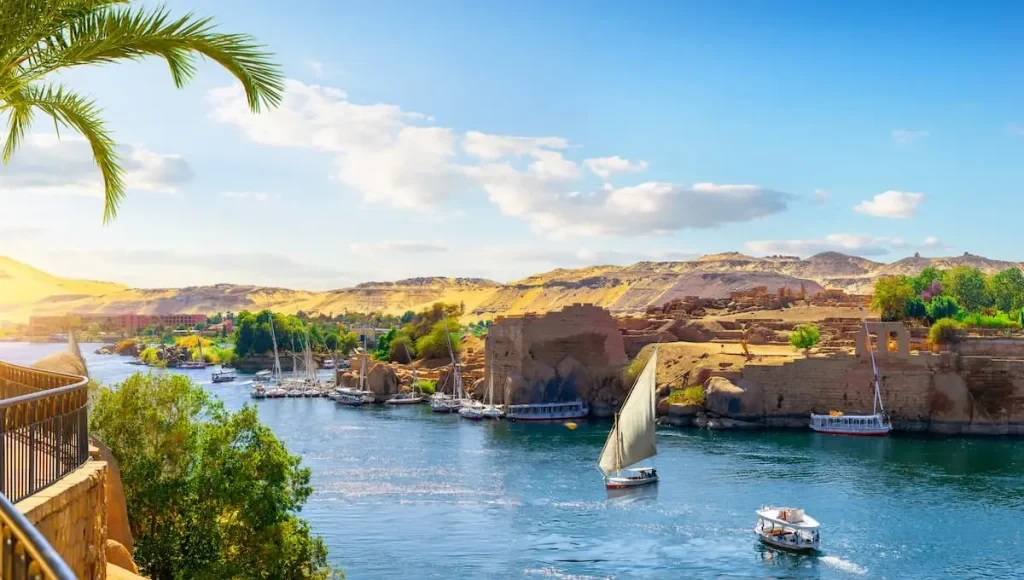
One of Aswan’s greatest strengths is its calm atmosphere. River feluccas drift between islands, sunsets feel slower, and the city has a warmth that reflects its Nubian identity. Nubian culture adds a unique layer to Aswan sightseeing through colourful villages, traditional hospitality, and a different architectural and artistic style than you’ll see in other parts of Egypt. For many visitors, this cultural richness becomes just as memorable as the temples.
Why Aswan Sightseeing Is Essential in Upper Egypt
Upper Egypt travel is often centred around Luxor and the monumental New Kingdom era. But Aswan completes the story—connecting ancient religion, Nubian history, the Nile’s modern transformation and one of the most famous temple sites in the world. From Philae to Abu Simbel and from island landscapes to museums preserving Nubian heritage, Aswan sightseeing is not optional—it’s essential for anyone who wants a well-rounded and meaningful Upper Egypt journey.
Continue planning your Upper Egypt journey:
Discover even more unforgettable experiences between Luxor and Aswan in our complete Upper Egypt travel guide for 2026. Explore curated highlights, iconic temples, and must-see landmarks to build the perfect itinerary
Where is Aswan located?
Understanding Aswan’s geography helps travellers plan smarter and combine attractions efficiently—especially when building an Upper Egypt itinerary.
Southern Egypt
Aswan is located in southern Egypt, far below Luxor and closer to the Sudanese border than to Cairo. This southern location shapes the city’s climate, landscapes, and cultural identity, making Aswan sightseeing feel noticeably different from the rest of Egypt.
Border of Nubia
Aswan sits at the gateway to Nubia, a historical region with its own language, traditions, and identity. This is why Nubian culture is not a “side experience” here—it is a core part of Aswan’s atmosphere. Travellers who include cultural experiences alongside monuments will find Aswan sightseeing especially rewarding.
Connection to Nile Cruises
Aswan is one of the main endpoints for Nile cruises, typically paired with Luxor. Many cruises travel between Luxor and Aswan, with stops at sites like Edfu and Kom Ombo along the way. This makes Aswan sightseeing a natural highlight at the end (or beginning) of a Nile journey, offering a scenic and relaxed finale to the temple-heavy route.
Gateway to Abu Simbel
Aswan is also the primary base for visiting Abu Simbel. Most travellers reach Abu Simbel as a day trip from Aswan, making the city a strategic hub for one of Egypt’s most iconic experiences. If Abu Simbel is on your list, planning Aswan sightseeing properly is the key to doing it comfortably.
Explore Luxor sightseeing next:
After experiencing the charm of Aswan, dive deeper into the monumental wonders of Luxor. From the Valley of the Kings to Karnak Temple, explore everything you need to know about Luxor sightseeing.
Top Attractions for Aswan Sightseeing
Aswan combines ancient temples, Nile landscapes, Nubian culture, and modern engineering in one destination. These are the top places to include in any well-planned Aswan sightseeing itinerary.
Philae Temple
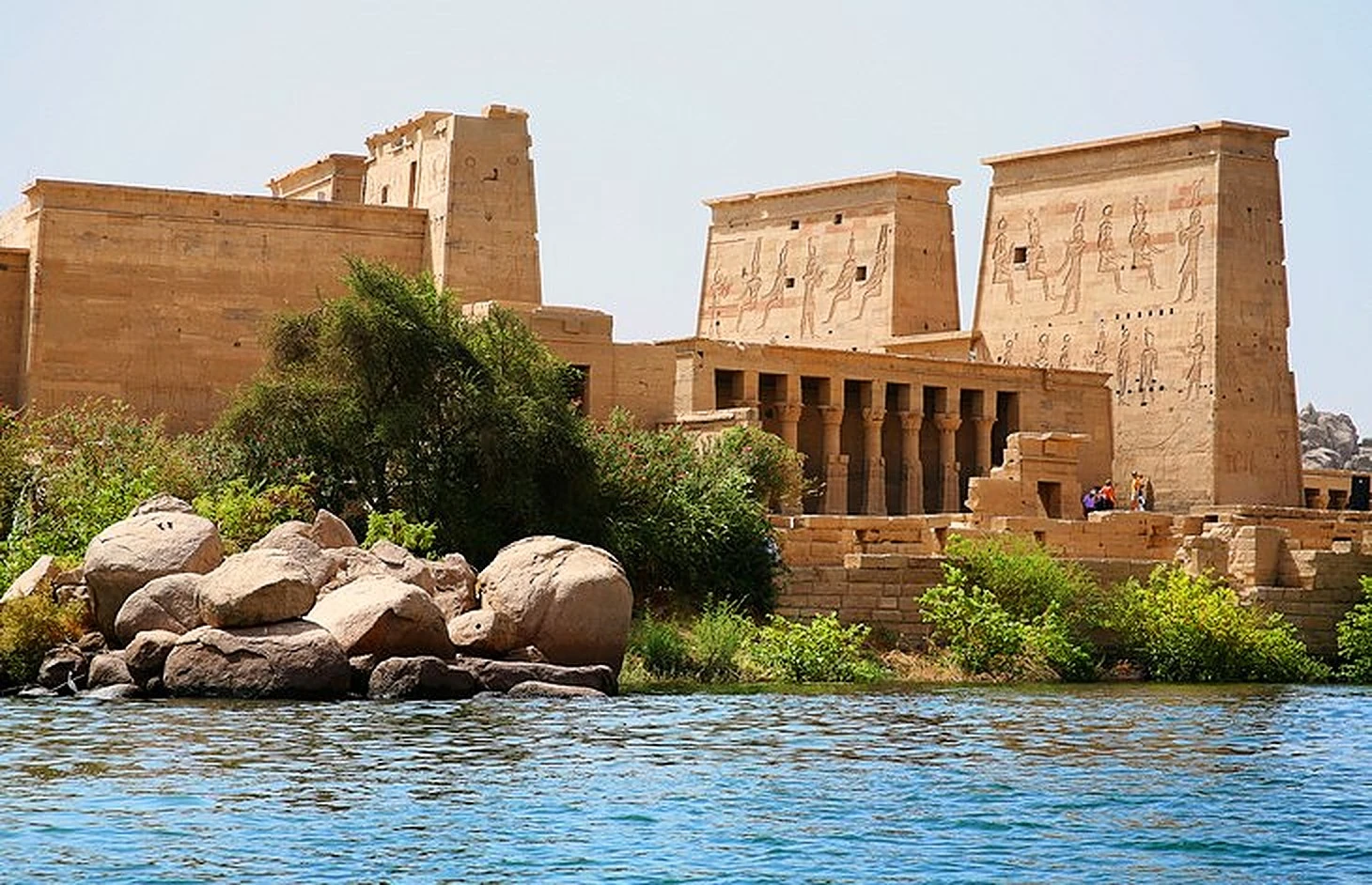
Philae Temple is the most iconic landmark in Aswan and a centrepiece of Aswan sightseeing. Dedicated primarily to Isis, the goddess of magic, motherhood, and protection, Philae was one of the last active pagan temples in the ancient world.
What makes Philae especially remarkable is its relocation story. When the Aswan High Dam threatened to submerge the island, the temple was carefully moved and reconstructed on nearby Agilkia Island. Today, visitors reach Philae by boat—an approach that makes the experience feel dramatic and timeless.
For many travellers, Philae Temple is the most atmospheric site in Aswan: a blend of sacred architecture, island scenery, and powerful mythology.
Abu Simbel Temples
Although located far south of Aswan, Abu Simbel is often considered the ultimate extension of Aswan sightseeing. Built by Ramses II, these monumental temples are famous for their colossal statues and detailed interior reliefs celebrating royal power and divine connection.
Abu Simbel is also known for one of the most extraordinary rescue efforts in modern archaeology. When Lake Nasser threatened to flood the temples, the entire complex was dismantled and relocated to higher ground—an engineering and preservation achievement recognized worldwide.
The journey is long, but for many travellers, Abu Simbel is absolutely worth it. It delivers scale, emotion, and historical impact that few sites on Earth can match.
Kom Ombo Temple & Crocodile Museum
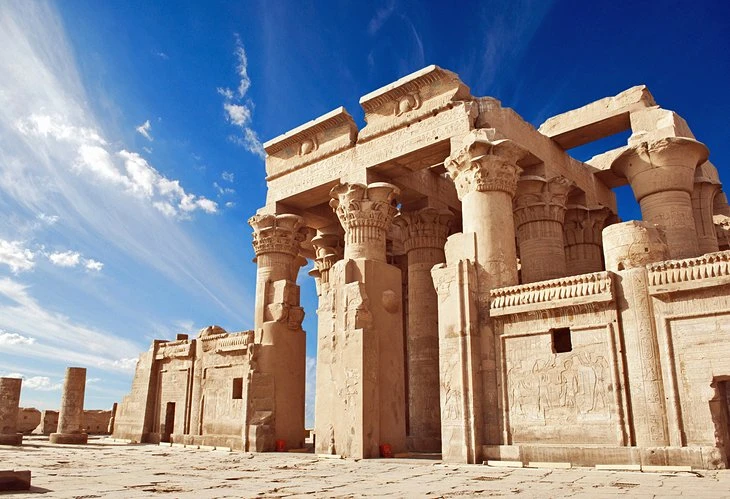
Kom Ombo is typically visited on the route between Luxor and Aswan, making it closely connected to Aswan sightseeing itineraries—especially for Nile cruise travellers. The temple is unique because it is a dual sanctuary dedicated to two sets of deities: Sobek (the crocodile god) and Horus (in a different form than Edfu).
The nearby Crocodile Museum adds a memorable twist, displaying mummified crocodiles and artifacts linked to Sobek’s cult. This combination of unusual religious focus and museum exhibits makes Kom Ombo a distinctive stop that complements Aswan’s main attractions.
Aswan High Dam
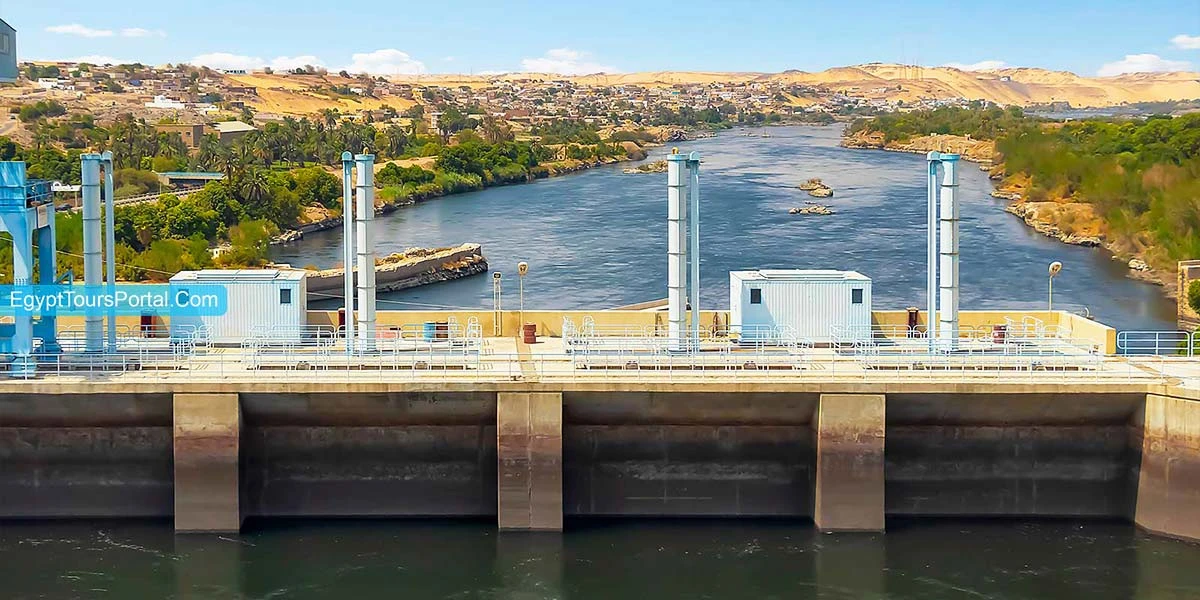
The Aswan High Dam represents modern Egypt’s transformation of the Nile. For travellers, it is an important part of Aswan sightseeing because it explains how the river—and Egyptian life—changed in the 20th century.
The dam helped control flooding, supported irrigation, and contributed to hydroelectric power generation. It also led to the creation of Lake Nasser, one of the world’s largest artificial lakes. Visiting the dam adds context to the relocation of temples like Philae and Abu Simbel, connecting ancient heritage with modern engineering.
The Unfinished Obelisk
The Unfinished Obelisk is one of the most fascinating historical stops in Aswan. Located in an ancient granite quarry, it reveals how Egyptians carved massive obelisks directly from bedrock.
The obelisk was abandoned due to a crack in the stone, and that “failure” became one of archaeology’s greatest gifts—because it allows visitors to see the process mid-construction. For anyone curious about ancient engineering, the Unfinished Obelisk is a standout highlight of Aswan sightseeing.
Elephantine Island
Elephantine Island is one of Aswan’s most scenic and historically layered locations. It was an ancient settlement and a key point of trade and military control in southern Egypt.
Today, it offers a mix of archaeological interest and Nile beauty. Visitors can explore remnants of ancient structures while enjoying peaceful river views. Elephantine adds a softer, more atmospheric dimension to Aswan sightseeing, especially for travellers who enjoy combining history with landscapes.
Nubian Village
A visit to a Nubian village is often the most personal and culturally immersive part of Aswan sightseeing. Known for colourful houses, warm hospitality, and traditional lifestyle, Nubian villages allow travellers to experience a living culture that is distinct from mainstream Egyptian city life.
Beyond photography, the real value is cultural exchange—learning about Nubian traditions, crafts, and daily rhythm. For travellers seeking experiences beyond temples, the Nubian Village is essential.
Aswan Market (Souq)
Aswan’s tourist market (souq) is the city’s most lively commercial experience and an excellent addition to any Aswan sightseeing plan. Visitors will find spices, incense, perfumes, scarves, handcrafted souvenirs, and Nubian-inspired items.
Unlike some markets in larger cities, Aswan’s souq often feels more relaxed and conversational. It’s also a great place to absorb the energy of the city at night, when temperatures cool and the streets feel more alive.
Aswan Botanical Garden
Located on Kitchener’s Island, the Aswan Botanical Garden is a peaceful escape within the Nile. It features exotic plants and shaded pathways—ideal for travellers who want a break from stone monuments and heat.
This is one of the most relaxing Aswan Sightseeing stops, especially in the afternoon. It pairs beautifully with a felucca ride, turning a simple garden visit into a serene Nile experience.
Nubian Museum
The Nubian Museum is one of the most important cultural institutions in southern Egypt and a key part of Aswan sightseeing for travellers who want deeper understanding.
It preserves Nubian history, art, and identity—especially after many communities were affected by the creation of Lake Nasser. The museum provides context that enhances visits to villages, islands, and even temples, because it explains the human story of the region.
Nile Museum
The Nile Museum focuses on the history of the Nile River and its role in shaping civilization, settlement, agriculture, and water management.
For travellers who want a broader educational layer, the Nile Museum complements Aswan’s temple experiences by explaining why the river is central to everything in Egypt. It’s a meaningful addition to Aswan sightseeing, especially for visitors interested in environment, geography, and development.
Tombs of the Nobles (Qubbet El-Hawa)
Located on the west bank near Aswan, the Tombs of the Nobles at Qubbet El-Hawa offer cliffside burials of provincial governors and officials.
These tombs provide a different perspective than royal necropolises like Luxor’s Valley of the Kings. Here, visitors learn about local power and regional administration. Many tombs also offer panoramic views of the Nile—making this stop both historically interesting and visually rewarding within Aswan's sightseeing.
Mausoleum of Aga Khan
The Mausoleum of Aga Khan is a modern landmark known for its architectural elegance and its scenic position overlooking the Nile.
While not ancient, it adds variety to an Aswan sightseeing itinerary and often appeals to travellers who enjoy photography, viewpoints, and modern historical layers.
Discover the Grand Egyptian Museum (GEM)
Continue your journey through Egypt’s history at the Grand Egyptian Museum (GEM), home to world-class collections and extraordinary artifacts that bring ancient civilization to life
Is Aswan Worth Visiting?
If you’re building an itinerary through Upper Egypt, the answer is clear: yes. Aswan sightseeing is worth visiting because it offers a different kind of Egyptian experience—one that balances history with landscape and monuments with culture.
Compare with Luxor
Luxor is intense, monumental, and densely historical. Aswan is calmer, more scenic, and culturally distinctive. Together, they create the most complete Upper Egypt route.
Peaceful vs Monumental
Aswan’s value lies in its peaceful rhythm. Felucca rides, island visits, and cultural interactions create a softer travel experience without sacrificing historical impact—especially with sites like Philae and Abu Simbel.
Cultural Richness
Nubian heritage is a defining reason why Aswan Sightseeing stands out. It offers cultural authenticity that many travellers don’t find elsewhere in Egypt, making it a must-visit for anyone seeking more than temples alone.
How Many Days Do You Need for Aswan Sightseeing?
The ideal length of stay depends on how deeply you want to explore the city and whether you plan to include Abu Simbel. In general, Aswan Sightseeing can be done in one day, but two to three days creates a far more balanced and enjoyable experience—especially if you want to combine temples, museums, islands, and Nubian culture without rushing.
1 Day in Aswan: The Essential Highlights
A one-day Aswan Sightseeing plan works best for travelers on a tight schedule, especially Nile cruise passengers. In a single day, you can typically cover:
- Philae Temple (usually by boat)
- Aswan High Dam
- The Unfinished Obelisk
- A short Nile experience (felucca ride or island views)
This option gives you the core landmarks, but leaves little time for cultural immersion, museums, or slower exploration.
2 Days in Aswan: The Best Balance
Two days is the sweet spot for most travelers. It allows you to experience both the iconic sites and the atmosphere that makes Aswan different from other Egyptian cities. With two days of Aswan Sightseeing, you can add:
- Nubian Village for cultural depth
- Nubian Museum for context and history
- Aswan Market (Souq) for local flavor
- Elephantine Island or Aswan Botanical Garden for scenic Nile time
This length of stay also gives you flexibility to avoid peak crowds and heat by spreading activities across mornings and late afternoons.
3 Days in Aswan: Including Abu Simbel Comfortably
If Abu Simbel is on your itinerary, three days often feels ideal. Abu Simbel requires an early start and can take most of a day when factoring in travel time. A three-day Aswan Sightseeing trip typically allows:
- One day for core Aswan highlights
- One day for cultural and museum exploration
- One full day for Abu Simbel Temples
This version offers the most relaxed pacing and the most complete Upper Egypt experience—especially for travelers who prioritize comfort and depth.
Best Time to Visit Aswan
Because Aswan is in southern Egypt, weather plays a major role in how enjoyable your Aswan Sightseeing experience feels. The best time to visit is generally during the cooler months, when outdoor exploration is far more comfortable.
Weather in Aswan
Aswan has a desert climate with hot summers and mild winters. During summer (May to September), temperatures can exceed 40°C (104°F), which can make temple visits and walking tours exhausting—especially around midday.
The most comfortable season for Aswan Sightseeing is from October to April, when the temperature is more suitable for exploring Philae, the markets, islands, and outdoor viewpoints.
Crowd Level
Peak travel months in Egypt usually fall between December and February, when winter weather attracts international travelers. Aswan can be busier during this period, especially at major landmarks like Philae Temple and during sunrise or early morning tours.
If you want fewer crowds while still enjoying pleasant weather, consider visiting in October, November, March, or April. These shoulder months often offer a strong balance for Aswan Sightseeing—comfortable conditions with a more relaxed atmosphere.
Nile Cruise Season
The main Nile cruise season aligns with the cooler months—typically October through April. If you are planning Aswan Sightseeing as part of a Nile cruise, this season offers the best overall conditions. It also makes it easier to combine Aswan with stops like Kom Ombo and Edfu in a single itinerary.
Plan Your Aswan Sightseeing Experience
Aswan is a destination where planning directly affects the quality of the experience. Because attractions are spread out—some by boat, some on the west bank, and some outside the city—structured planning helps you see more while feeling less rushed.
Guided vs Independent Aswan Sightseeing
Independent travel in Aswan is absolutely possible, especially for experienced travellers who enjoy flexibility. However, guided experiences add major value in Aswan because they:
- simplify boat and transport logistics
- help manage timing for popular sites
- provide cultural and historical context
- make day trips like Abu Simbel smoother and safer
If you want deeper insight into Nubian history, temple symbolism, and the story behind the relocation of Philae, guided Aswan sightseeing often feels significantly more rewarding than visiting without context.
Logistics Tips for Aswan Sightseeing
To make your trip smoother:
- Visit major sites early (Philae, High Dam, Unfinished Obelisk)
- Use late afternoons for the market, gardens, or felucca rides
- Allow extra time for boat transfers to islands
- Keep Abu Simbel as a dedicated early-start day
- Bring water and sun protection year-round
Good logistics turn Aswan sightseeing into a calm, scenic experience rather than a complicated schedule.
Combining Aswan with Luxor and the Nile Cruise Route
Aswan works best when planned as part of a wider Upper Egypt itinerary. Many travellers combine the following:
- Luxor (temples and tombs)
- Edfu and Kom Ombo (temples en route)
- Aswan (Nubian culture, islands, Philae, Abu Simbel)
This creates a complete narrative of Upper Egypt—religion, kingship, river life, and cultural identity—making Aswan sightseeing the perfect conclusion or beginning to the journey.
Soft Traviaz Positioning
For travellers who want a seamless Upper Egypt experience—from Luxor to Aswan and Abu Simbel—curated itineraries arranged by Traviaz help simplify transportation, optimize timing, and include Egyptologist-led guidance. This ensures your Aswan sightseeing plan balances iconic highlights with authentic cultural experiences, without losing time to logistics.
FAQs About Aswan Sightseeing
What is Aswan famous for?
Aswan is famous for Philae Temple, the Aswan High Dam, the Unfinished Obelisk, Nubian culture, and being the gateway to the Abu Simbel Temples. It is also known for scenic Nile islands and a relaxed atmosphere that makes Aswan sightseeing feel uniquely peaceful.
How far is Abu Simbel from Aswan?
Abu Simbel is about 280 kilometres south of Aswan. Most travellers visit it as an early-morning day trip by road or sometimes by domestic flight.
Is 2 days enough for Aswan sightseeing?
Yes, two days is enough for most travellers to cover major highlights such as Philae Temple, the High Dam, the Unfinished Obelisk, the market, and a Nubian cultural experience. If Abu Simbel is included, three days often feels more comfortable.
What is the best month for Aswan sightseeing?
The best months are usually October, November, March, and April for comfortable weather and fewer crowds. December to February is also excellent weather-wise but can be busier.
Is Aswan worth visiting compared to Luxor?
Yes, Luxor and Aswan offer different experiences. Luxor is monumental and temple-heavy, while Aswan Sightseeing is calmer, more scenic, and culturally rich due to Nubian heritage. Together they create the strongest Upper Egypt itinerary.
Conclusion
Aswan offers a side of Egypt that feels both timeless and deeply human. Between island landscapes, Nubian culture, and world-class heritage sites like Philae and Abu Simbel, Aswan Sightseeing delivers an experience that is scenic, meaningful, and refreshingly calm compared to Egypt’s more crowded destinations.
Whether you spend one day covering essential highlights or extend your stay to explore museums, markets, and Nubian life, Aswan rewards travellers who slow down and explore with intention. From the engineering legacy of the High Dam to the spiritual atmosphere of Philae Temple, Aswan Sightseeing completes any Upper Egypt itinerary with balance and depth.
For travellers who want a seamless plan across Luxor, Edfu, Kom Ombo, and Aswan—with smooth logistics and expert historical insight—curated experiences arranged by Traviaz can help transform a busy schedule into a well-paced, memorable journey.

-webp.webp "Nubian Village Aswan")
-webp.webp "Abu Simbel Day Trip from Aswan")