
-webp.webp "Most Beautiful Temples in Egypt")
Most Beautiful Temples in Egypt: Top Must-See Sites
Egypt is often introduced through its pyramids, but the country’s greatest artistic legacy may be its temples. Across the Nile Valley, ancient sanctuaries rise from desert landscapes with a sense of scale, geometry, and symbolism that still feels cinematic today. For travelers searching for the most beautiful temples in Egypt, the experience is not only about archaeology—it’s about atmosphere: towering columns at sunrise, carved reliefs catching the light, and sacred spaces designed to connect earth and sky.
Planning a temple-focused journey can be surprisingly complex. Many of the most beautiful temples in Egypt are spread between Luxor, Aswan, and Abydos, with different opening hours, ideal visiting times, and best combinations for day trips or Nile cruises. This is where curated planning adds real value. Traviaz designs tailored Egypt itineraries that connect iconic temples with smarter pacing, private transfers, and expert Egyptologist guidance—so travellers don’t just “see” temples, they understand them. If your goal is to experience Egypt’s temple masterpieces in the most efficient and meaningful way, a curated route can turn a packed schedule into a smooth, memorable journey.
What Makes a Temple Beautiful in Ancient Egypt?
Beauty in ancient Egyptian temples was never accidental. Every detail—scale, placement, decoration, and alignment—was designed to communicate divine order. Understanding what makes the most beautiful temples in Egypt so extraordinary helps travellers appreciate them beyond surface-level grandeur.
Scale & Symmetry
Many ancient Egyptian temples were built to overwhelm the senses. Their long processional routes, massive gateways, and perfectly aligned axes created a controlled visual journey from the outer world toward the sacred centre. Symmetry played a spiritual role: balance represented cosmic order, and that order was reflected in architecture. When you walk through a great temple like Karnak or Edfu, the feeling of “beauty” often comes from this deliberate geometry and progression.
Colossal Statues
Colossal statues were a visual statement of divine power. Whether seated figures of Ramses II at Abu Simbel or monumental guardians at temple entrances, these statues were designed to make human scale feel small—reinforcing the idea that the king stood between people and the gods. In the most beautiful temples in Egypt, these statues are not decoration; they are part of a sacred performance.
Intricate Hieroglyphs
Temple walls functioned like sacred books. Reliefs and inscriptions recorded rituals, offerings, mythological narratives, and royal legitimacy. Beauty comes from precision: deeply carved hieroglyphs, elegant proportions, and scenes that remain readable thousands of years later. Many travellers searching for the most beautiful temples in Egypt end up falling in love with the detail—because the art rewards slow observation.
Solar Alignment
Some of Egypt’s most breathtaking temple experiences are designed around light. Certain temples were aligned to the sun at specific times of the year, creating moments where sunlight reaches deep sanctuaries. This is not only visually stunning—it reflects advanced planning and spiritual meaning. Solar alignment is one reason Abu Simbel is routinely ranked among the most beautiful temples in Egypt: the temple doesn’t just stand in the landscape—it interacts with the cosmos.
Sacred Geography
Location matters. Temples were often placed with deep symbolic intention—on riverbanks, near cliffs, or on islands. Philae’s island setting, Hatshepsut’s cliffside design, and Luxor Temple’s place within the living city all shape the emotional impact. Sacred geography turns architecture into an experience, and it’s a defining feature of the most beautiful temples in Egypt.
Discover Luxor Sightseeing
Many of the most beautiful temples in Egypt are located in Luxor. Explore the full Luxor Sightseeing guide and uncover Karnak, Luxor Temple, Hatshepsut Temple, and more in detail:
Most Beautiful Temples in Egypt (Top Must-See Sites)
Below are the essential “must-see” landmarks that consistently define lists of the most beautiful temples in Egypt—each with a unique kind of beauty, from monumental scale to artistic refinement.
Karnak Temple (Luxor)
Karnak is not just a temple—it is the largest temple complex ever built in ancient Egypt, developed across many dynasties. Its beauty comes from scale, ambition, and the feeling that you are walking through centuries of sacred architecture.
Largest Temple Complex
Karnak’s vast size makes it feel like a city of columns, courtyards, and sanctuaries. The experience is layered: each section reveals a different era and a different architectural mood. This is why Karnak is often the first answer when travellers ask about the most beautiful temples in Egypt.
Hypostyle Hall
The Hypostyle Hall is the iconic heart of Karnak—an extraordinary forest of massive columns. The play of shadow and light between the pillars creates one of Egypt’s most cinematic scenes, especially in the early morning.
Sacred Lake
The Sacred Lake adds contrast to the stone intensity of the complex. It’s a calm space within monumental architecture—designed for ritual purification and sacred symbolism. For many visitors, this quiet element completes Karnak’s beauty by adding spiritual atmosphere.
Luxor Temple
Luxor Temple is beautiful in a different way: it is an ancient monument embedded within a living city. It feels accessible, dramatic, and deeply atmospheric—especially after sunset.
Avenue of Sphinxes
The processional route connecting Luxor Temple and Karnak (the Avenue of Sphinxes) reflects the ancient world’s emphasis on ceremonial movement. Even a short walk along this route helps travellers imagine the grandeur of religious festivals that once filled the city.
Night Illumination
Luxor Temple is one of the most striking temples to visit at night. The lighting emphasizes carvings, columns, and obelisks, turning the temple into a glowing architectural sculpture. For many travellers, this is a highlight moment among the most beautiful temples in Egypt.
Urban Temple Setting
Unlike remote temples surrounded by desert, Luxor Temple sits within the city’s rhythm. That contrast—ancient stone against modern life—creates an emotional impact that is uniquely Luxor.
Hatshepsut Temple (Deir El Bahari)
Hatshepsut’s mortuary temple is often considered one of the most visually elegant temples in Egypt, built into a dramatic cliff landscape on the West Bank of Luxor.
Cliffside Architecture
The temple’s terraces rise in clean horizontal lines, echoing the natural rock behind them. This harmony between architecture and landscape is one reason it ranks among the most beautiful temples in Egypt.
Female Pharaoh Legacy
Hatshepsut’s story adds meaning to the beauty. As one of Egypt’s most famous female rulers, her temple is both political and sacred—designed to legitimize her reign through divine connection and monumental design.
Unique Terraced Design
Unlike the typical courtyard-hall progression, this temple is defined by open terraces and long ramps. Its symmetry, minimalism, and setting make it feel almost modern in its aesthetic.
Abu Simbel Temples
Abu Simbel is the ultimate “wow” temple experience—a masterpiece of scale, symbolism, and engineering, carved into rock at Egypt’s southern frontier.
Colossal Statues
The façade’s colossal seated statues of Ramses II create one of the most iconic images in Egypt. The feeling of standing before them is a defining travel moment, which is why Abu Simbel is consistently named among the most beautiful temples in Egypt.
Solar Alignment
The famous solar alignment—when sunlight reaches deep into the sanctuary on specific dates—adds a layer of mystique and architectural intelligence. It transforms the temple into an experience rather than a structure.
Relocation Story
The modern relocation of Abu Simbel after the creation of Lake Nasser adds emotional weight. You’re not only seeing an ancient wonder—you’re seeing a monument saved by global effort, preserved with extraordinary precision.
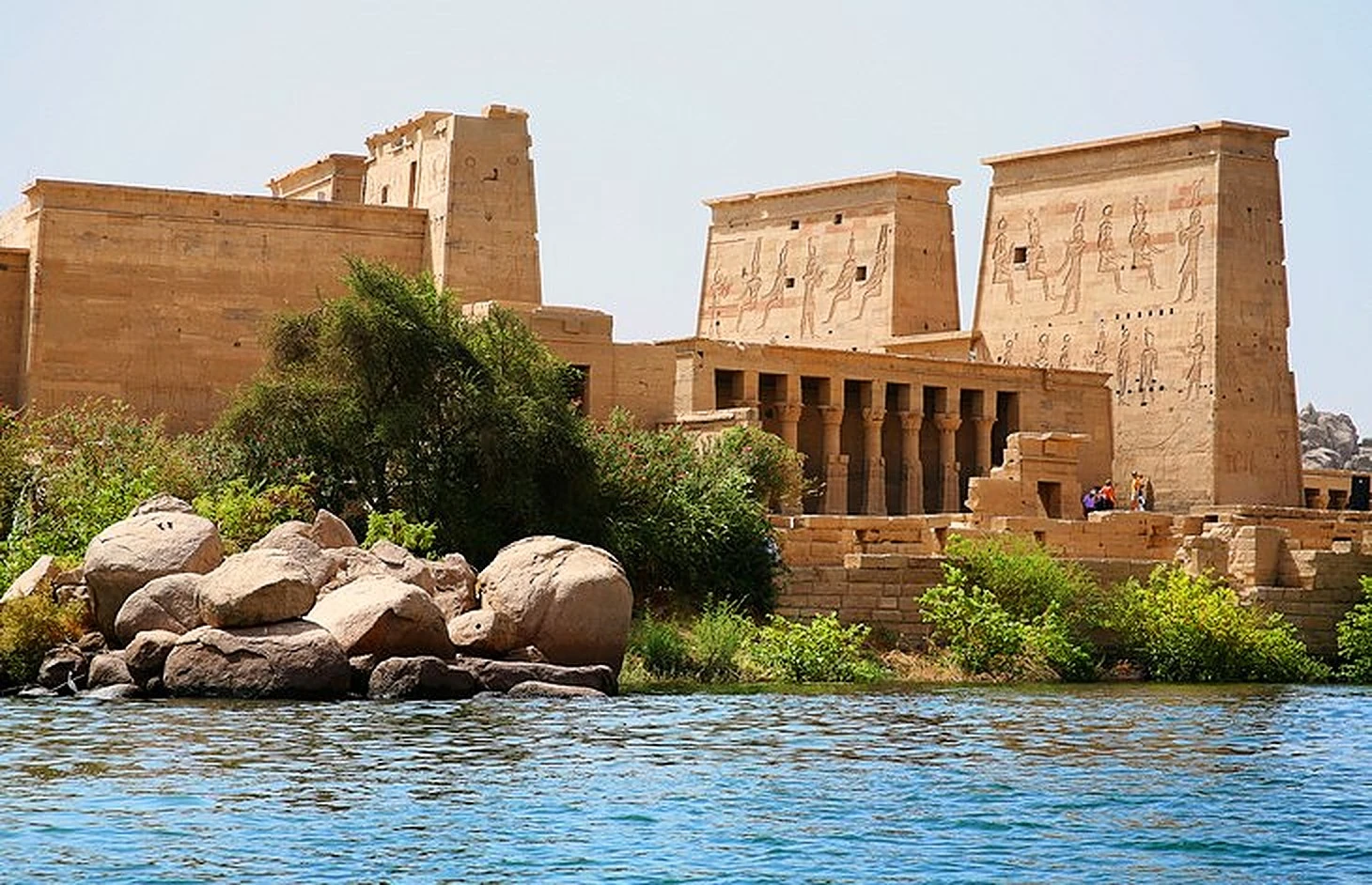
Philae Temple (Aswan)
Philae Temple is one of Egypt’s most romantic temple settings, dedicated primarily to Isis and surrounded by Nile scenery.
Temple of Isis
Philae’s mythological associations are powerful. The temple’s religious narrative, tied to Isis and Osiris traditions, gives the site a sense of sacred storytelling.
Island Setting
Arriving by boat is part of the magic. The temple appears gradually across the water, creating a cinematic reveal. This approach experience is a major reason Philae is often ranked among the most beautiful temples in Egypt.
Romantic Appeal
Philae’s combination of water, stone, and gentle island atmosphere makes it especially appealing for couples and photographers. It’s not only historically important—it’s emotionally beautiful.
Edfu Temple
Edfu Temple is widely considered the best-preserved major temple in Egypt, and its beauty lies in completeness.
Among the most beautiful temples in Egypt, Edfu Temple stands out as one of the best-preserved ancient sanctuaries along the Nile. Its towering pylons, detailed mythological carvings, and remarkably intact structure make it a must-see stop between Luxor and Aswan.
If you’re planning to explore more of the most beautiful temples in Egypt, learn everything you need to know about visiting Edfu Temple here
Best-Preserved Temple
Because the structure survived in exceptional condition, visitors can understand the temple’s layout clearly—from the monumental entrance to the sanctuary. This “whole experience” is a key reason it appears in lists of the most beautiful temples in Egypt.
Temple of Horus
Dedicated to Horus, the falcon-headed god, Edfu’s symbolism is strong and consistent across its carvings.
Mythological Carvings
Edfu’s reliefs tell dramatic mythological stories, especially themes connected to Horus and cosmic order. For travellers who enjoy mythology, Edfu becomes one of the most rewarding temple visits in Egypt.
Kom Ombo Temple
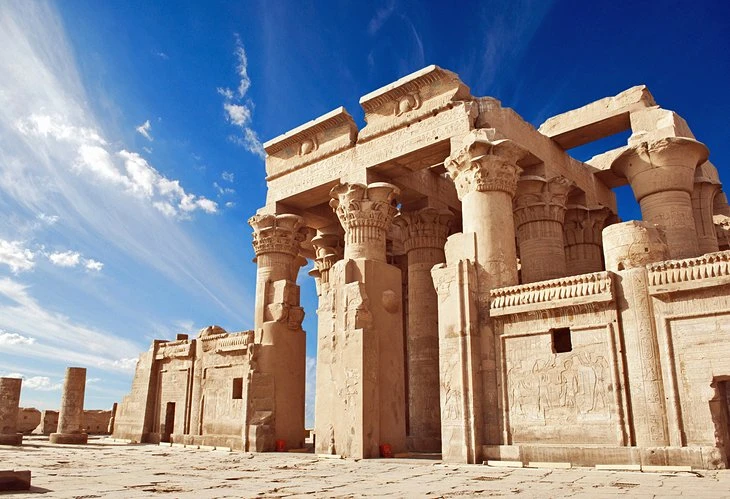
Kom Ombo is unique—architecturally and thematically—because it is a dual temple.
Dual Temple
The temple is dedicated to two deities: Sobek and Horus (in a different form than at Edfu). The mirrored design gives it a distinctive symmetry and identity.
Sobek & Horus
This dual devotion creates variety in symbolism and relief themes, making the visit feel different from other Nile temples.
Nile-Side Location
Kom Ombo’s riverside setting adds atmosphere, especially for Nile cruise travellers arriving at golden hour. Its location is part of its beauty and explains why it’s often included among the most beautiful temples in Egypt.
Temple of Seti I (Abydos)
Abydos is revered for its sacred importance and its artistic quality.
Exceptional Relief Quality
The reliefs at Abydos are famous for their precision, softness, and detail. Many visitors consider them among the finest carvings in all of ancient Egypt.
Abydos King List
The famous king list adds historical authority to the site. Beyond beauty, Abydos offers one of the richest historical narratives—making it a temple that rewards travellers who want depth.
Medinet Habu
Medinet Habu is one of Luxor’s most underrated masterpieces, and many travellers leave wondering why it is not more famous.
Ramses III Temple
This mortuary temple complex is monumental, well-preserved, and deeply atmospheric, with strong fortress-like architecture.
War Reliefs
The wall reliefs depicting battles are among the most dramatic in Egypt. They add storytelling intensity and visual power.
Less Crowded Beauty
One of the biggest advantages is the crowd level. Medinet Habu often feels calmer than Karnak or Luxor Temple, allowing travellers to explore with more focus. That quietness amplifies its beauty—making it a true contender among the most beautiful temples in Egypt.
Continue with Aswan Sightseeing
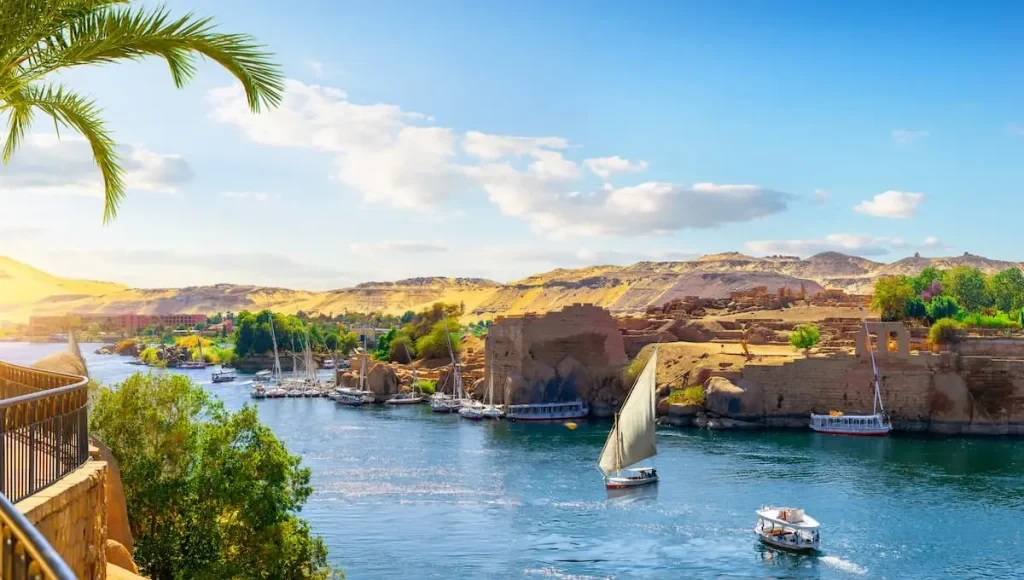
Complete your Upper Egypt temple journey with Aswan sightseeing, including Philae Temple and other sacred Nile landmarks:
Hidden Temple Gems Most Travelers Miss
Beyond the headline temples, Egypt is filled with “secondary” temples that can feel even more magical precisely because they are less crowded. Many travellers searching for the most beautiful temples in Egypt end up loving these hidden gems because they offer intimacy, atmosphere, and discovery.
Examples include smaller temples in Upper Egypt, overlooked sites near major routes, and Nubian temples connected to the Lake Nasser region. These temples may not dominate postcards, but they often deliver the kind of quiet, personal experience that turns a trip into something unforgettable.
If your goal is to explore both famous landmarks and lesser-known masterpieces, a curated itinerary can help you combine iconic temples with hidden gems efficiently—without sacrificing comfort or pacing.
Which Temple Is the Most Beautiful in Egypt?
One of the most common questions travellers ask is, "Which is the most beautiful temple in Egypt?" The honest answer is that it depends on what kind of beauty you are looking for.
If you value monumental scale and overwhelming grandeur, Karnak Temple often tops the list of the most beautiful temples in Egypt. Its forest of colossal columns creates a sense of awe that few places in the world can match.
If you prefer architectural harmony and landscape integration, Hatshepsut Temple may feel more beautiful. Its terraced structure framed by cliffs creates a striking visual balance that feels almost contemporary in design.
For those drawn to drama and symbolism, Abu Simbel is frequently considered the most beautiful temple in Egypt. The colossal statues, solar alignment, and remote desert setting combine to create an unforgettable experience.
If romance and setting matter most, Philae Temple often wins. Arriving by boat and seeing the temple rise from the Nile gives it a cinematic quality that feels deeply atmospheric.
And for travellers who appreciate preservation and clarity of structure, Edfu Temple might be the most beautiful, thanks to its completeness and well-preserved carvings.
Ultimately, the most beautiful temples in Egypt are not defined by one single standard. They vary in mood—monumental, artistic, romantic, or mystical. The best approach is not choosing just one, but designing a journey that allows you to experience different kinds of beauty across Egypt.
Best Time to Visit Egypt’s Temples
Timing can dramatically influence how you experience the most beautiful temples in Egypt.
Morning Visits
Early morning is often the ideal time to visit major temples such as Karnak, Luxor, and Abu Simbel. The light is softer, temperatures are cooler, and crowd levels are lower. Morning light enhances relief carvings and architectural details, especially for photography.
Late Afternoon & Sunset
Late afternoon offers dramatic shadows and warm golden tones, particularly at cliffside or riverside temples like Hatshepsut and Philae. Some temples feel especially atmospheric at sunset when stone surfaces glow in warm light.
Winter Season (October–April)
The most comfortable months for exploring the most beautiful temples in Egypt are between October and April. Daytime temperatures are moderate, making long temple visits more enjoyable.
Avoiding Peak Hours
Midday visits in summer can be intense due to heat and strong sunlight. Planning temple routes strategically—balancing early mornings with relaxed afternoons—makes a significant difference.
A well-structured itinerary ensures that each temple is visited at its optimal time rather than simply fitting them into a rushed schedule.
Plan Your Temple Journey with Traviaz
Exploring the most beautiful temples in Egypt requires more than simply moving from one monument to another. Distances between sites, weather conditions, ideal visiting times, and historical context all affect the experience.
This is where Traviaz makes a meaningful difference.
Traviaz specializes in curated temple journeys across Cairo, Luxor, Aswan, and Abu Simbel. Instead of standard group routes, itineraries are designed around pacing, lighting conditions, and personal travel style.
With Traviaz, travellers benefit from:
- Licensed Egyptologist guides who bring temple reliefs to life
- Private transfers that eliminate logistical stress
- Carefully timed visits to avoid peak crowds
- Seamless combinations of Nile cruises and temple explorations
Rather than rushing through the most beautiful temples in Egypt, travellers experience them with depth, clarity, and comfort. The goal is not only to see temples but also to understand the symbolism, architecture, and stories that shaped them.
If you want to explore Egypt’s temple masterpieces without guesswork, curated planning ensures that every sacred site is experienced at its best.
FAQs About the Most Beautiful Temples in Egypt
What is the most beautiful temple in Egypt?
There is no single answer. Karnak is monumental, Hatshepsut is architecturally elegant, Abu Simbel is dramatic, and Philae is atmospheric. Beauty depends on personal preference.
What is the most famous temple in Egypt?
Karnak Temple is often considered the most famous due to its size and historical significance.
Are Egypt’s temples better than the pyramids?
Temples offer intricate carvings, reliefs, and interior exploration, while pyramids are architectural marvels. Many travellers find temples more immersive because they can walk through detailed spaces.
How many days do you need to see the most beautiful temples in Egypt?
At least 3–5 days in Luxor and Aswan are recommended to properly explore the major temples without rushing.
Which temple is less crowded but still beautiful?
Medinet Habu and Abydos are excellent options for travellers seeking beauty with fewer crowds.
Conclusion
The most beautiful temples in Egypt are not simply ancient structures—they are living expressions of art, devotion, power, and cosmic design. From the colossal scale of Karnak to the refined elegance of Hatshepsut, from the romantic island setting of Philae to the dramatic grandeur of Abu Simbel, each temple offers a different interpretation of beauty.
What makes Egypt unique is not one temple but the diversity of sacred spaces spread along the Nile. Exploring them in the right order, at the right time of day, and with meaningful context transforms a sightseeing trip into a profound cultural journey.
With thoughtful planning and expert guidance, discovering the most beautiful temples in Egypt becomes more than travel—it becomes understanding.


-webp.webp "Nubian Village Aswan")
-webp.webp "Abu Simbel Day Trip from Aswan")