

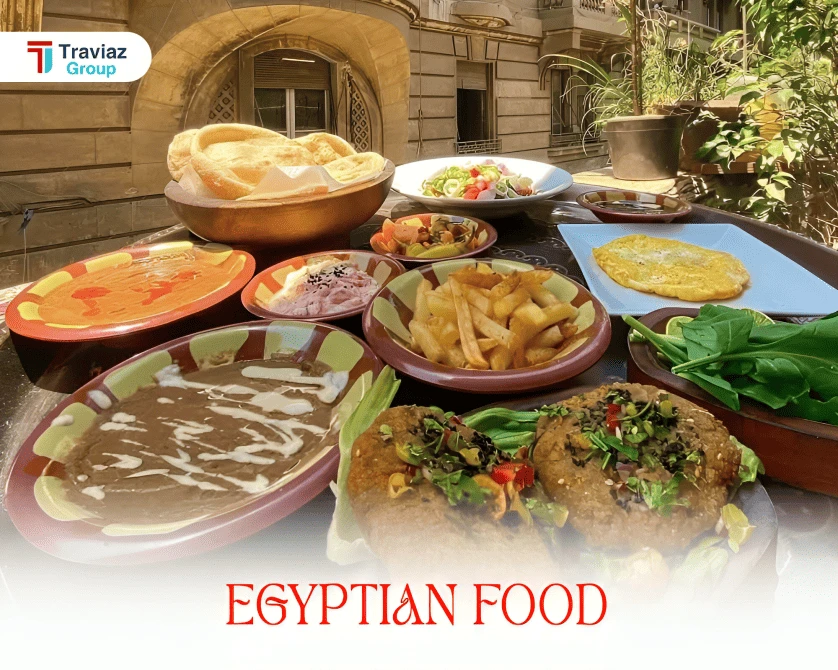
Egyptian Food: Traditional Dishes & What to Eat in Egypt
Egypt may be globally celebrated for its pyramids and ancient temples, but beyond the monuments lies another powerful expression of its identity: Egyptian food. Rich in history, deeply rooted in tradition, and shaped by centuries of cultural exchange, Egyptian cuisine offers travellers a flavorful gateway into everyday life.
For many visitors, discovering Egyptian food becomes one of the most memorable parts of their journey. From the comforting simplicity of ful medames at breakfast to the bold flavours of street-side koshari in Cairo, food reveals a side of Egypt that no museum can fully capture.
Exploring Egyptian food is not simply about tasting dishes—it's about understanding the rhythm of local markets, family gatherings, and shared meals. This is why thoughtfully designed itineraries often include culinary experiences alongside historical exploration. Travel specialists like Traviaz recognize that food is an essential part of cultural immersion, seamlessly integrating traditional Egyptian meals, local dining recommendations, and authentic market visits into curated journeys across Cairo, Luxor, and Aswan.
Whether you are planning your first visit or returning to explore more deeply, Egyptian food offers an authentic connection to the country’s past and present — one plate at a time.
Egypt Beyond Temples and Pyramids
While Egypt’s historical sites draw millions of visitors each year, many travellers quickly discover that exploring Egyptian food is just as memorable as visiting ancient temples. From bustling Cairo street vendors to family-run restaurants in Luxor and Aswan, food becomes an intimate way to understand the culture.
Tasting traditional Egyptian food allows visitors to connect with everyday life — not just history. It’s in the aroma of freshly baked bread, the warmth of shared dishes, and the simplicity of ingredients that Egypt’s identity truly comes alive.
Food as Cultural Identity
Egyptian cuisine reflects community and tradition. Meals are often shared, especially during family gatherings or religious celebrations. Dishes passed down through generations preserve flavours that date back centuries.
Many famous Egyptian dishes are built around humble ingredients such as lentils, beans, rice, and vegetables. Yet the combination of textures and spices transforms them into deeply satisfying meals. Egyptian food is less about complexity and more about balance—hearty, flavorful, and comforting.
Explore curated Cairo day tours that allow you to discover iconic sites while leaving room to experience local Egyptian food along the way
Why Travelers Search for Egyptian Food
Travellers increasingly search for “what to eat in Egypt” and “traditional Egyptian food” because modern tourism is no longer just about sightseeing—it's about immersive experiences. Food offers insight into local culture in a way that monuments cannot.
Curated journeys that blend heritage with cuisine—such as those thoughtfully arranged by Traviaz—allow travellers to explore Egyptian food alongside historical highlights. Whether enjoying a traditional lunch after visiting the Pyramids or sampling street food in Cairo’s markets, food becomes part of the overall cultural narrative.
What Is Egyptian Food Known For?
Understanding Egyptian food requires looking at its history, geography, and social traditions.
Ancient Culinary Roots
Egypt’s culinary foundations date back to ancient times. Staples like bread, lentils, beans, and onions were consumed thousands of years ago. The Nile’s fertile banks supported agriculture, shaping the ingredients that remain central to Egyptian cuisine today.
Traditional Egyptian food is built on continuity. While techniques evolved, many core ingredients remained unchanged for centuries.
Mediterranean & Middle Eastern Influence
Egypt’s location at the crossroads of Africa, the Middle East, and the Mediterranean influenced its cuisine. Ottoman, Levantine, and North African flavours contributed spices and cooking methods.
However, Egyptian food maintains its distinct character. For example, Egyptian falafel (ta’ameya) differs significantly from Levantine falafel, reflecting local adaptation.
Fresh Ingredients
Fresh herbs, garlic, tomatoes, beans, and seasonal vegetables are essential components of traditional Egyptian food. Simplicity is key — dishes are not overloaded with heavy sauces but instead highlight natural flavours.
Spices & Flavors
Egyptian cuisine is flavorful rather than overly spicy. Cumin, coriander, garlic, and chili are common, but heat is usually optional. This makes Egyptian food accessible to a wide range of palates.
Affordable Street Food Culture
One of the defining features of Egyptian food is its accessibility. Some of the most iconic dishes are affordable and available at local markets and street vendors. This vibrant street food culture plays a central role in daily life.
Traditional Egyptian Food You Must Try
No guide to Egyptian food would be complete without highlighting the most famous Egyptian dishes.
Koshari
Often considered the national dish, koshari perfectly represents traditional Egyptian food.
National Dish
Koshari combines rice, lentils, pasta, chickpeas, fried onions, and tomato sauce—topped with garlic vinegar and chili sauce. Though simple, the layering of textures makes it uniquely satisfying.
It is one of the most popular and affordable Egyptian food options, enjoyed by locals across all social classes.
Ful Medames
Ful medames is a cornerstone of Egyptian breakfast.
Egyptian Breakfast Staple
Made from slow-cooked fava beans, ful is seasoned with olive oil, lemon, garlic, and cumin. It is typically served with baladi bread.
This humble dish reflects the ancient roots of Egyptian food and remains part of daily life.
Ta’ameya (Egyptian Falafel)
Ta’ameya is Egypt’s version of falafel.
Made from Fava Beans
Unlike Middle Eastern falafel, which uses chickpeas, Egyptian ta’ameya is made from fava beans. This gives it a softer texture and a vibrant green interior due to fresh herbs.
It is one of the most beloved traditional Egyptian food items, commonly eaten for breakfast or as street food.
Molokhia
Molokhia is one of the most distinctive Egyptian dishes.
Green Soup
Made from finely chopped jute leaves, molokhia has a silky texture and herbal flavour. It is often served with chicken, rabbit, or beef.
This dish is deeply rooted in Egyptian culinary heritage and is considered comfort food in many households.
Mahshi
"Mahshi" refers to vegetables stuffed with seasoned rice.
Stuffed Vegetables
Zucchini, eggplant, peppers, and grape leaves are commonly used. The stuffing mixture includes rice, herbs, and tomato-based seasoning.
Mahshi is a family dish often served at gatherings, representing the communal spirit of Egyptian food.
Fatta
Fatta is traditionally served during celebrations and religious holidays.
Festive Dish
It consists of layers of rice, toasted bread, and slow-cooked meat, topped with garlic tomato sauce.
Because of its association with festivities, fatta holds cultural importance beyond its ingredients.
Hawawshi
Hawawshi is a popular Egyptian street food.
Spiced Minced Meat in Bread
Minced meat mixed with onions and spices is baked inside baladi bread until crispy.
It represents the bold, satisfying flavours that define everyday Egyptian food culture.
Egyptian Street Food Culture
Street food plays a vital role in Egyptian food traditions.
Local Markets
Cairo’s neighbourhoods and local markets are filled with vendors selling koshari, ta’ameya, and hawawshi. These places offer authentic insight into daily life.
Affordable Eats
One of the reasons travellers love Egyptian food is its affordability. High-quality meals can be enjoyed at modest prices.
Night Food Scene
In major cities, street food vendors remain active late into the night. Evening food culture is vibrant, social, and energetic.
Safety Tips for Travelers
Travellers should choose busy vendors with high turnover to ensure freshness. Bottled water and reputable establishments are recommended.
Exploring street food responsibly allows visitors to enjoy authentic Egyptian food experiences with confidence.
If you’re planning to visit the pyramids and would love to turn it into a deeper cultural experience, explore these curated Giza Day Tours that combine historical discovery with the freedom to enjoy local Egyptian food along the way
Egyptian Breakfast & Daily Eating Habits
Breakfast is central to Egyptian daily life.
Ful & Ta’ameya Mornings
Many Egyptians begin their day with fūl medames and ta’ameya. These protein-rich dishes provide sustained energy.
Baladi Bread
Baladi bread, Egypt’s traditional flatbread, accompanies nearly every meal. It serves as both a utensil and a side dish.
Tea Culture
Tea, particularly black tea with mint or sugar, is widely consumed throughout the day. It symbolizes hospitality and social connection.
Egyptian Desserts & Sweets
No exploration of Egyptian food is complete without sweets.
Basbousa
A semolina cake soaked in sugar syrup, often topped with almonds.
Kunafa
Shredded pastry layered with cream or nuts and soaked in syrup.
Om Ali
Egypt’s classic bread pudding is made with milk, nuts, and raisins.
Baklava (Egyptian Version)
Layered pastry with nuts and syrup, reflecting Ottoman influence.
Egyptian desserts tend to be rich and sweet, often associated with celebrations and hospitality.
Best Cities to Experience Egyptian Food
While Egyptian food can be found across the country, each city offers its own flavour profile and atmosphere.
Cairo – The Heart of Egyptian Food Culture
Cairo is the ultimate destination to explore Egyptian food in its most diverse form. From traditional restaurants serving slow-cooked molokhia to street vendors preparing fresh ta’ameya at dawn, the capital offers endless variety.
Neighbourhood markets, local bakeries, and family-run eateries allow travellers to taste authentic traditional Egyptian food in a vibrant urban setting. Cairo is also where iconic dishes like koshari are perfected and celebrated.
Alexandria—Seafood & Mediterranean Influence
Located on the Mediterranean coast, Alexandria brings a seafood twist to Egyptian food. Fresh grilled fish, shrimp dishes, and calamari reflect the city’s maritime identity.
The Mediterranean influence makes Alexandria’s cuisine slightly lighter while maintaining core Egyptian flavours.
Luxor & Aswan – Upper Egypt’s Local Flavors
Upper Egypt offers a more home-style interpretation of traditional Egyptian food. Dishes are often simpler, heartier, and deeply rooted in local agricultural traditions.
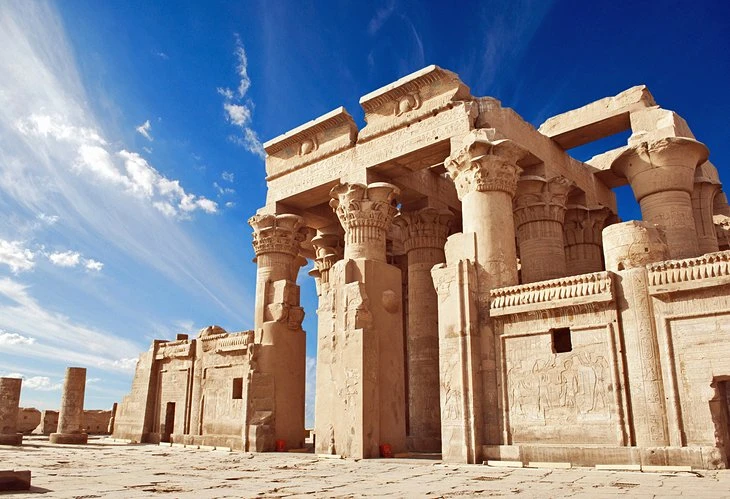
In Aswan, Nubian influences introduce unique spices and preparation methods. For travellers exploring historical places to visit in Egypt, combining temple visits with local meals creates a richer cultural experience.
Is Egyptian food spicy?
One of the most common questions travellers ask is whether Egyptian food is spicy.
The answer: Egyptian food is flavorful but not typically spicy.
Spices such as cumin, coriander, and garlic create depth without overwhelming heat. Chili is often served on the side, allowing diners to control spice levels.
This makes Egyptian cuisine accessible for most international travellers, including families and those who prefer mild flavours.
How to Experience Egyptian Food Like a Local
To truly understand Egyptian food, travellers should move beyond hotel menus.
Eat Where Locals Eat
Busy local restaurants with high turnover often provide the most authentic meals. Koshari shops, ful stands, and neighbourhood bakeries offer insight into daily life.
Visit Local Markets
Markets reveal the ingredients behind traditional Egyptian food — from fresh herbs to spices and seasonal vegetables.
Try regional specialties.
Each region of Egypt offers slight variations in dishes. Sampling local versions of familiar meals adds depth to the experience.
Curated Culinary Experiences with Traviaz
For travellers who want to explore Egyptian food confidently and comfortably, curated itineraries can include:
- Authentic restaurant recommendations
- Cultural dining experiences
- Market visits
- Private guided food walks
Traviaz integrates culinary discovery into broader heritage journeys, allowing visitors to explore Egyptian food alongside historical landmarks. Rather than treating food as an afterthought, these curated experiences position cuisine as an essential part of cultural exploration.
FAQs About Egyptian Food
What is the most famous Egyptian dish?
Koshari is widely considered the national dish and one of the most famous Egyptian food staples.
Is Egyptian food vegetarian-friendly?
Yes. Many traditional Egyptian food dishes, such as ful medames and ta’ameya, are vegetarian.
Is street food safe in Egypt?
Street food is generally safe when purchased from busy vendors with high turnover.
What do Egyptians eat for breakfast?
Ful medames, ta’ameya, eggs, baladi bread, and tea are common breakfast items.
Is Egyptian food similar to Middle Eastern cuisine?
Egyptian food shares influences with Middle Eastern cuisine but has unique ingredients and preparation styles, especially in its use of fava beans and specific spice blends.
Conclusion
Egyptian food is more than sustenance—it is history, hospitality, and heritage served on a plate. From the hearty comfort of koshari to the sweetness of basbousa, each dish reflects centuries of cultural continuity and adaptation.
Exploring Egyptian food adds depth to any journey through the country. It complements temple visits, enhances cultural understanding, and offers moments of connection with local communities.
Whether you are tasting street food in Cairo, enjoying seafood in Alexandria, or sharing a traditional meal in Upper Egypt, Egyptian cuisine transforms travel into immersion.



-webp.webp "Nubian Village Aswan")
-webp.webp "Abu Simbel Day Trip from Aswan")