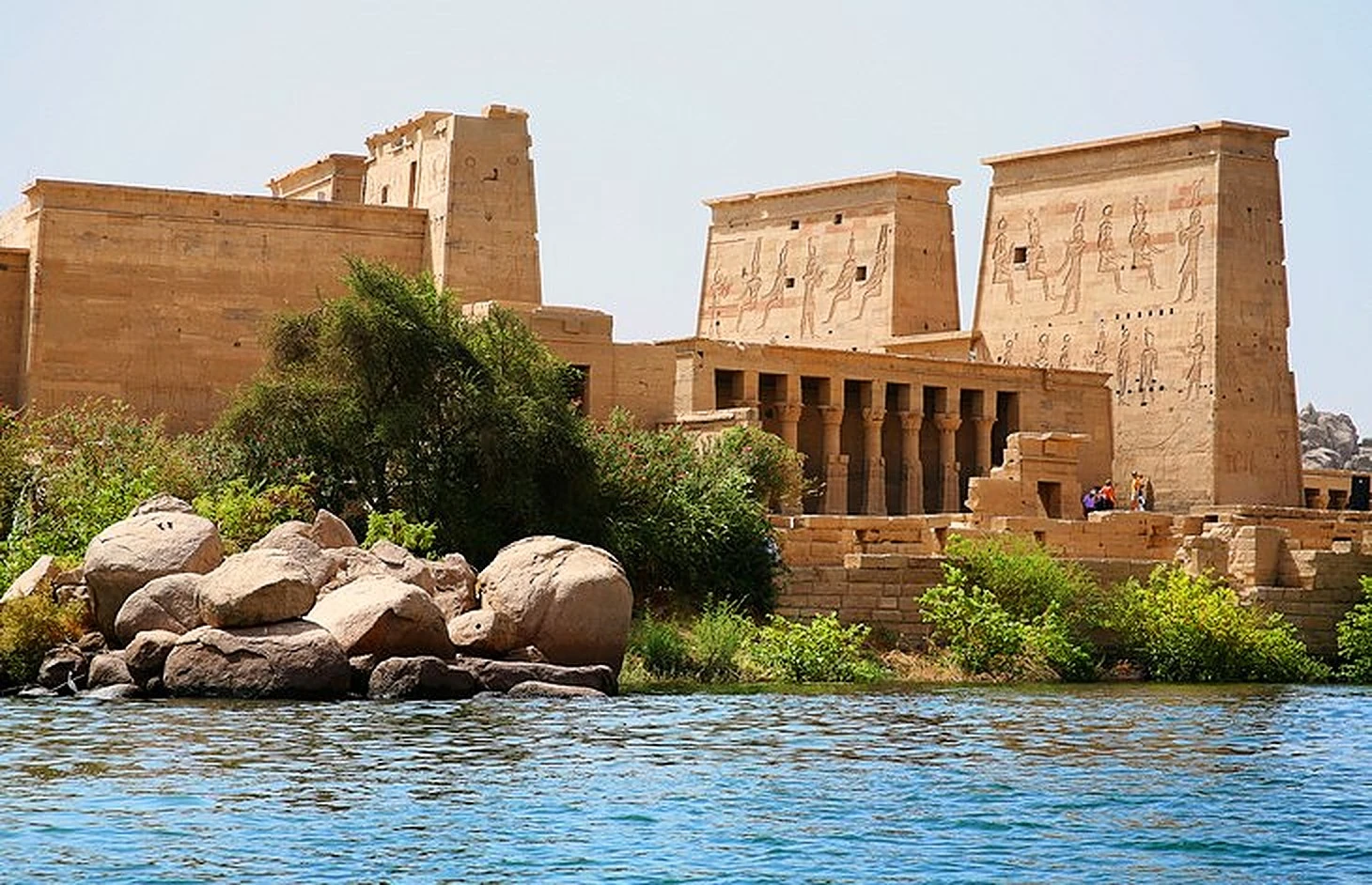

-webp.webp "Abu Simbel and Lake Nasser Temples")
Abu Simbel and Lake Nasser Temples: A Complete Visitor Guide
Few destinations in Egypt capture the imagination quite like the Abu Simbel and Lake Nasser temples. Located in the far south of the country, these monumental sites represent a powerful intersection between ancient imperial ambition and modern preservation triumph.
The Abu Simbel complex consists of two massive rock-cut temples commissioned by Pharaoh Ramses II in the 13th century BCE. These temples were carved directly into a sandstone cliff overlooking what is now Lake Nasser. Surrounding the region are additional relocated Nubian temples that form the broader Lake Nasser Temples corridor, creating one of the most historically and culturally significant heritage landscapes in Africa.
When travellers speak about must-see landmarks in Upper Egypt, the Abu Simbel and Lake Nasser Temples consistently rank among the most iconic due to their scale, symbolism, and dramatic desert setting.
Why They Are Among Egypt’s Most Iconic Monuments
What makes these temples truly iconic is not just their size but their intention. Ramses II designed Abu Simbel as a political and religious statement. Positioned near Egypt’s southern frontier, the temples projected power toward Nubia and reinforced the king’s divine status.
The façade of the Great Temple features colossal seated statues of Ramses II, instantly recognizable worldwide. The site delivers an immediate visual impact that rivals even the pyramids in emotional intensity. Because of this, the Abu Simbel and Lake Nasser temples often become the defining highlight of a traveller’s Upper Egypt journey.
Relocation Story
The story of relocation elevates Abu Simbel beyond a typical archaeological visit. When the Aswan High Dam was constructed in the 1960s, rising waters from the creation of Lake Nasser threatened to permanently submerge the temples.
Rather than allowing this to happen, an unprecedented international campaign was launched to dismantle and relocate the temples piece by piece to higher ground. Massive sections of rock were carefully cut, transported, and reassembled with astonishing precision.
This relocation is one of the greatest engineering achievements in heritage preservation history. Visiting the Abu Simbel and Lake Nasser temples today means witnessing not only ancient craftsmanship but also one of the most ambitious rescue operations ever undertaken.
Continue your journey through Upper Egypt with Aswan Sightseeing.
From Philae Temple and Nubian villages to the High Dam and island escapes, discover everything you need to plan your time in Aswan
Why They Are Essential in Upper Egypt Itineraries
If Luxor represents the heart of ancient Egyptian religion and Theban power, then Abu Simbel and Lake Nasser temples represent its southern frontier—where royal authority met Nubian territory.
Including Abu Simbel in an Upper Egypt itinerary creates a geographical and narrative completion of the journey. It moves travellers beyond central temple clusters and into a more remote, dramatic landscape that feels like a true expedition.
Where Are Abu Simbel and Lake Nasser Temples Located?
Southern Egypt
The Abu Simbel and Lake Nasser temples are located in southern Egypt, within the historic Nubian region. This part of the country is defined by wide desert plains, granite outcrops, and the vast artificial expanse of Lake Nasser.
The remoteness of the area contributes to its impact. Unlike urban archaeological zones, Abu Simbel feels isolated and monumental, reinforcing its status as a frontier temple.
Near the Sudan Border
Abu Simbel lies close to Egypt’s border with Sudan. In ancient times, this area marked an important boundary zone between Egyptian and Nubian influence. The temple’s position here was not accidental—it was strategically chosen to demonstrate authority over southern territories.
For modern travellers, this location adds a sense of adventure. Visiting Abu Simbel and Lake Nasser temples feels like reaching the edge of ancient civilization.
Distance from Aswan
Abu Simbel is approximately 280 kilometres south of Aswan by road. Most visitors begin their journey from Aswan, departing early in the morning to make the long but scenic drive across desert landscapes.
The distance is significant, which is why planning matters. However, many travellers find that the dramatic reward at the end of the journey makes the travel time worthwhile.
Role of Lake Nasser
Lake Nasser is one of the largest man-made lakes in the world, created after the construction of the Aswan High Dam. It dramatically reshaped the landscape of southern Egypt.
The formation of Lake Nasser not only led to the relocation of Abu Simbel but also affected numerous Nubian monuments throughout the region. This is why the phrase "Abu Simbel and Lake Nasser Temples" reflects a connected heritage zone rather than a single isolated site.
After experiencing Abu Simbel and Lake Nasser temples, explore Edfu Temple to complete your journey through Upper Egypt’s most iconic sacred sites:
The Great Temple of Ramses II (Abu Simbel)
Historical Background
The Great Temple was commissioned by Ramses II around the 13th century BCE. It was dedicated to the gods Amun, Ra-Horakhty, and Ptah and to Ramses himself as a deified ruler.
The temple was designed as both a place of worship and a statement of imperial strength. By constructing such a monumental structure at Egypt’s southern border, Ramses II reinforced his political dominance and divine legitimacy.
Colossal Statues of Ramses II
The façade of the Great Temple features four colossal seated statues of Ramses II. These statues are approximately 20 meters tall and carved directly into the cliff face.
Their scale alone communicates power. Smaller figures carved near the king’s legs depict members of the royal family, emphasizing hierarchy and authority.
For most travellers, standing before these statues is the defining moment of visiting the Abu Simbel and Lake Nasser temples.
Interior Reliefs & Battle of Kadesh
Inside the temple, the walls are covered with reliefs illustrating religious rituals and military campaigns. One of the most famous scenes depicts the Battle of Kadesh, where Ramses II claimed victory against the Hittites.
These carvings are not only artistic masterpieces but also political propaganda, designed to immortalize the king’s achievements.
Solar Alignment Phenomenon
Twice each year—around February 22 and October 22—sunlight penetrates the temple’s inner sanctuary and illuminates statues at the rear chamber.
This solar alignment demonstrates advanced astronomical planning and continues to attract visitors from around the world. It is one of the most searched aspects of the Abu Simbel and Lake Nasser temples and adds a mystical dimension to the visit.
The Temple of Queen Nefertari
Dedication to Hathor
The smaller temple at Abu Simbel was dedicated to Queen Nefertari and the goddess Hathor. Hathor was associated with love, motherhood, and music.
This dedication highlights the queen’s elevated status and emphasizes themes of harmony and divine partnership.
Unique Representation of the Queen
What makes this temple exceptional is that Nefertari is depicted at nearly equal scale to Ramses II on the façade—an unusual feature in ancient Egyptian art.
This equality in representation suggests the queen’s extraordinary importance and makes this temple a rare tribute to royal femininity in ancient architecture.
Architectural Features
Like the Great Temple, this structure was carved directly into the rock. Inside, reliefs depict scenes of the queen participating in sacred rituals alongside gods.
Together, the twin temples form the core of the Abu Simbel and Lake Nasser temples, offering a balanced narrative of power and partnership.
The UNESCO Relocation Project
Why Relocation Was Necessary
The construction of the Aswan High Dam threatened to submerge Nubian monuments beneath rising waters. Abu Simbel was among the most endangered sites.
Lake Nasser & High Dam Impact
The creation of Lake Nasser permanently altered the geography of southern Egypt. While it brought agricultural and energy benefits, it also required urgent action to save ancient heritage.
How Temples Were Cut and Moved
Engineers cut the temples into massive blocks, some weighing dozens of tons. Each piece was numbered, transported, and reassembled with careful alignment to preserve the original structure and solar orientation.
Global Cooperation
This rescue mission involved international funding and technical collaboration. It marked a turning point in global heritage preservation and remains a powerful example of cultural cooperation.
Other Lake Nasser Temples
Kalabsha Temple
A major relocated temple near Lake Nasser, known for its well-preserved reliefs and impressive scale.
Amada Temple
One of the oldest surviving temples in Nubia, reflecting earlier architectural styles.
Wadi El Seboua
Named “Valley of the Lions,” this site combines avenue sculptures with temple structures.
Dakka Temple
A Nubian temple reflecting the blending of Egyptian and local traditions.
Maharraqa Temple
The southernmost of the relocated temples is smaller but architecturally unique.
These additional sites expand the meaning of the Abu Simbel and Lake Nasser temples, transforming the region into a broader heritage corridor rather than a single attraction.
Is Abu Simbel Worth Visiting?
Long Travel Time
The drive from Aswan is long and typically begins before sunrise.
Unique Experience
However, the dramatic setting, colossal statues, and desert isolation make the journey feel like a true expedition.
Comparison with Luxor Temples
Luxor offers a quantity and density of monuments. Abu Simbel offers concentrated impact and scale.
Why It’s Unforgettable
The combination of monumental architecture, solar alignment, and rescue history ensures that the Abu Simbel and Lake Nasser temples leave a lasting impression.
How to Visit Abu Simbel
From Aswan (Road vs Flight)
Travellers can visit by road convoy or domestic flight from Aswan.
Sunrise Departure
Most tours depart before dawn to avoid heat and crowds.
Day Trip vs Overnight
Day trips are common, but overnight stays allow a quieter experience.
Lake Nasser Cruise Option
Some travellers choose a Lake Nasser cruise that includes multiple temples, creating a deeper exploration of the Nubian heritage zone.
Plan Your Abu Simbel and Lake Nasser Temples Experience with Traviaz
Exploring Abu Simbel and Lake Nasser temples requires thoughtful planning. The long distance from Aswan, early departures, desert climate, and coordination between transportation and temple visiting hours can significantly impact the overall experience. A poorly timed visit may result in rushed exploration or excessive heat exposure. This is where professional itinerary design makes a real difference.
Traviaz specializes in curated Upper Egypt journeys that seamlessly integrate Abu Simbel into a broader Luxor–Aswan route. With licensed Egyptologist guides, private transfers, and carefully structured scheduling, travelers can experience Abu Simbel and Lake Nasser Temples at the optimal time of day while maintaining comfort and historical depth. Whether as a private sunrise visit, an overnight extension, or part of a Lake Nasser cruise experience, Traviaz ensures that logistics never overshadow the significance of the monuments themselves.
Beyond transportation, expert interpretation transforms the visit. Understanding the symbolism behind Ramses II’s colossal statues, the solar alignment phenomenon, and the political message carved into temple walls adds meaning to every chamber. With curated planning, travelers don’t just “see” Abu Simbel — they understand it.
Why Choose a Curated Lake Nasser Temple Route
While many travellers focus only on Abu Simbel, the broader Lake Nasser Temples corridor offers a richer narrative of Nubian history and ancient frontier politics. However, these sites are geographically dispersed and require careful route design to visit efficiently. Independent travel in this region can be complex due to distances, limited infrastructure, and timing considerations.
Traviaz designs personalized itineraries that connect Abu Simbel with additional Lake Nasser temples or combine them with Aswan’s highlights for a balanced Upper Egypt journey. This approach allows travellers to experience the monumental scale of Abu Simbel, the serenity of Lake Nasser’s shoreline, and the cultural depth of Nubia in one cohesive route. The result is not just a temple visit but a structured heritage experience that honours both ancient craftsmanship and the extraordinary relocation story that preserved these monuments.
FAQs About Abu Simbel and Lake Nasser Temples
How far is Abu Simbel from Aswan?
Abu Simbel is approximately 280 kilometres south of Aswan. Most travellers visit by early-morning road transfer, which typically takes around 3–4 hours each way.
Can you visit Abu Simbel independently?
Yes, it is possible to visit independently by arranging private transportation or joining a shared convoy. However, guided visits enhance understanding of the temple’s symbolism, relocation history, and architectural design.
What is the solar alignment at Abu Simbel?
Twice a year—around February 22 and October 22—sunlight enters the inner sanctuary of the Great Temple and illuminates specific statues. This phenomenon reflects advanced ancient architectural planning.
Are the Lake Nasser temples included in Nile cruises?
Standard Nile cruises between Luxor and Aswan typically include Edfu and Kom Ombo, but not all include Lake Nasser temples. Specialized Lake Nasser cruises offer deeper exploration of additional Nubian sites.
How long should you spend at Abu Simbel?
Most visitors spend 1.5 to 2 hours exploring both temples. Travellers interested in photography or in-depth historical interpretation may prefer more time or an overnight stay.
Conclusion
The Abu Simbel and Lake Nasser temples represent one of the most powerful combinations of ancient ambition and modern preservation in the world. From the colossal statues of Ramses II to the carefully relocated sanctuaries overlooking Lake Nasser, this region offers far more than monumental architecture — it tells a story of imperial authority, Nubian heritage, and international cooperation.
While the journey to Abu Simbel may require effort, the reward is unforgettable. The scale of the Great Temple, the elegance of Queen Nefertari’s sanctuary, and the remarkable UNESCO relocation project elevate this destination beyond ordinary sightseeing. Including Abu Simbel and Lake Nasser temples in your Upper Egypt itinerary transforms a temple tour into a complete historical experience.
For travellers seeking seamless logistics, expert guidance, and a thoughtfully curated route through Luxor, Aswan, and the Nubian frontier, tailored journeys arranged by Traviaz ensure that every detail supports a deeper understanding of Egypt’s southern masterpieces.

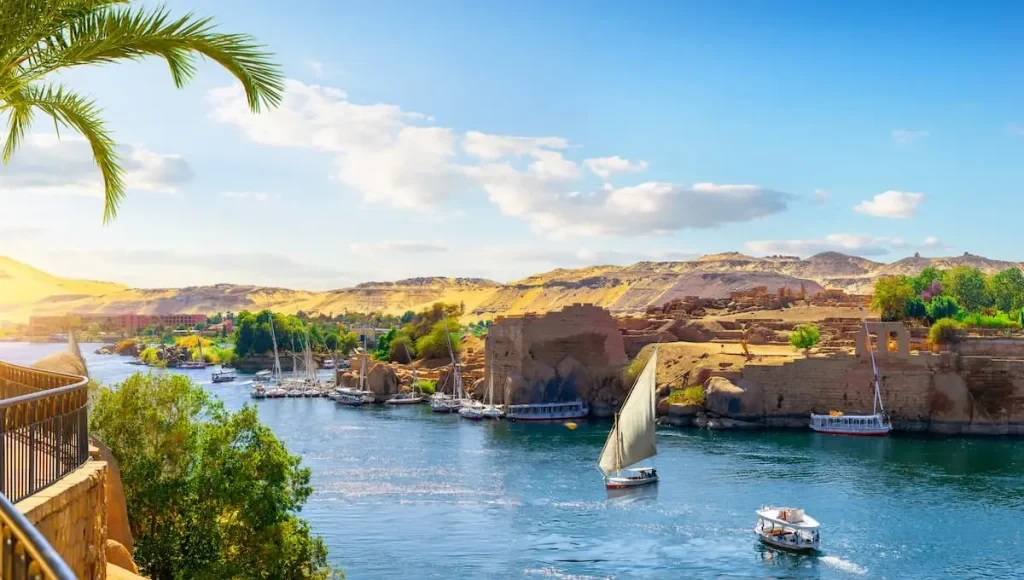
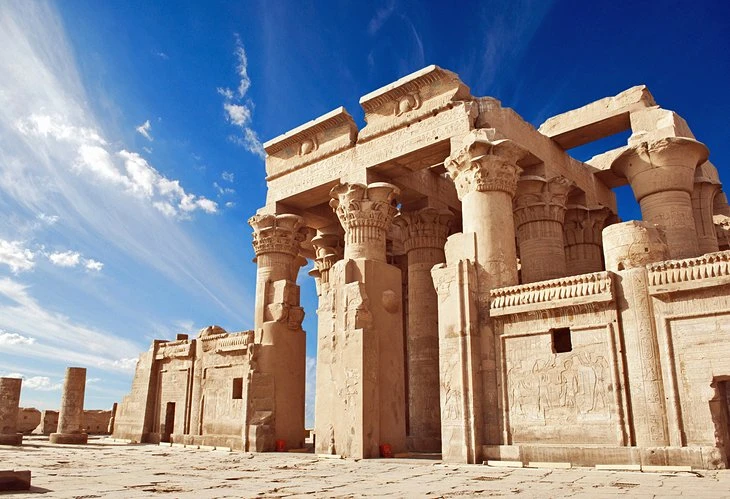
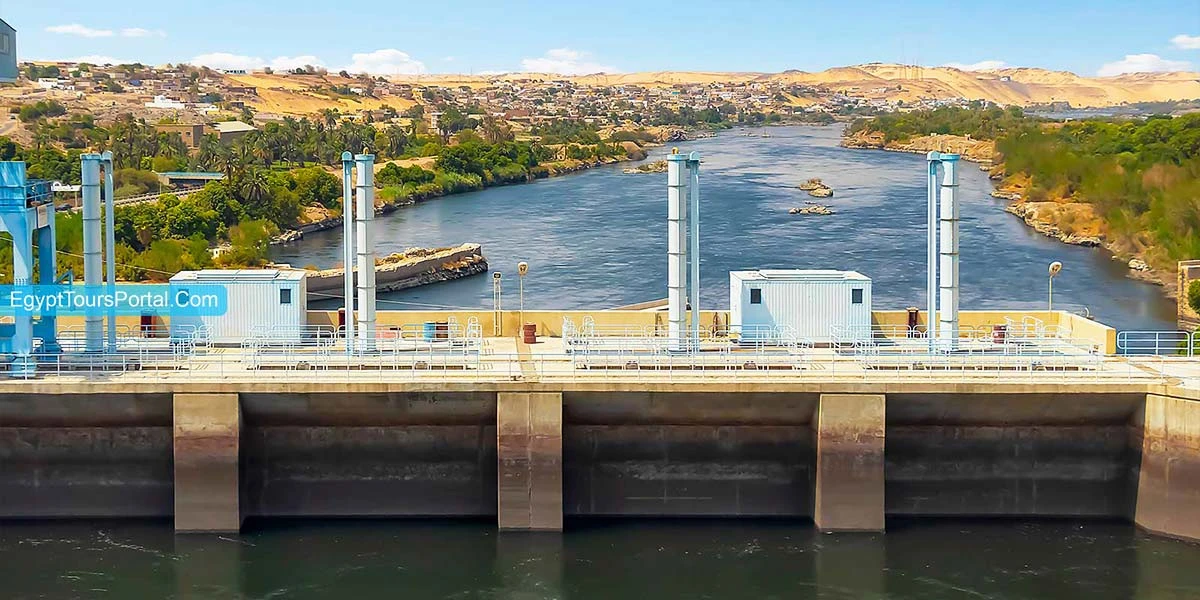
-webp.webp "Nubian Village Aswan")
-webp.webp "Abu Simbel Day Trip from Aswan")