
-webp.webp "Historical Places to Visit in Egypt")
Historical Places to Visit in Egypt: Complete Travel Guide
When travellers search for historical places to visit in Egypt, they are not simply looking for monuments—they are seeking one of the oldest continuous civilizations in human history. Egypt offers more than iconic pyramids; it presents over 5,000 years of layered heritage, where ancient temples, Greco-Roman cities, Coptic churches, and Islamic architecture coexist along the Nile.
While the Pyramids of Giza are often the starting point, Egypt’s historical depth extends far beyond them. From royal tombs carved into desert cliffs to island temples rising from the Nile, the country remains one of the world’s most immersive open-air museums. For many international travellers, discovering the best historical places to visit in Egypt becomes a journey through time—moving chronologically from pharaonic dynasties to medieval Islamic empires.
Planning such a journey requires more than selecting famous landmarks. Egypt’s historical sites are spread across Cairo, Luxor, Aswan, and remote southern regions. Curated heritage routes—such as those designed by Traviaz—help travellers experience these sites in a logical, well-paced sequence, combining expert Egyptologist guidance with seamless transfers. Rather than rushing between monuments, travellers gain context, structure, and a deeper understanding of the historical narrative.
For anyone seeking the most remarkable historical places to visit in Egypt, the country offers an unmatched blend of scale, artistry, and storytelling.
What Makes Egypt’s Historical Sites So Unique?
Egypt’s appeal lies not only in the age of its monuments but also in the continuity and diversity of its heritage. The historical places to visit in Egypt represent multiple civilizations layered across millennia.
Ancient Egyptian Civilization
The foundation of Egypt’s global reputation rests on ancient Egyptian civilization. Monumental temples, colossal statues, hieroglyphic inscriptions, and royal tombs reflect a culture deeply invested in cosmic order, divine kingship, and architectural permanence. Sites like Karnak, Abu Simbel, and the Valley of the Kings demonstrate advanced engineering, astronomy, and artistic mastery.
Greco-Roman Influence
Following Alexander the Great’s arrival in 332 BCE, Egypt entered the Greco-Roman period. Temples such as Philae and Edfu reflect a fusion of Egyptian and Hellenistic artistic traditions. Roman theatres, catacombs, and urban layouts further enriched the country’s cultural landscape.
This blending of civilizations adds depth to the historical places to visit in Egypt, showing that Egypt was not isolated but actively connected to Mediterranean worlds.
Coptic Heritage
Coptic Cairo reveals early Christian history through churches, monasteries, and sacred spaces that date back centuries. The Hanging Church and other sites in Old Cairo provide insight into Egypt’s Christian community and its enduring presence.
Islamic Architecture
Islamic Cairo is home to mosques, citadels, madrasas, and caravanserais spanning Fatimid, Mamluk, and Ottoman eras. Ornate minarets and intricate geometric patterns define this period. The Citadel of Saladin stands as a powerful reminder of medieval political authority.
UNESCO Heritage Sites
Many of the most significant historical places to visit in Egypt are recognized as UNESCO World Heritage Sites. From ancient Thebes (Luxor) to Nubian monuments and Islamic Cairo, this recognition underscores Egypt’s global cultural importance.
Explore Luxor's Sightseeing
Discover the temples of Karnak, Luxor, Hatshepsut, and the Valley of the Kings in the heart of ancient Thebes
Top Historical Places to Visit in Egypt (Must-See Icons)
Below are the iconic landmarks that consistently rank among the top historical places to visit in Egypt.
The Pyramids of Giza
No list of historical places to visit in Egypt would be complete without the Pyramids of Giza.
Great Pyramid
The Great Pyramid of Khufu remains the only surviving Wonder of the Ancient World. Its scale, precision, and endurance continue to fascinate historians and travellers alike.
Sphinx
The Great Sphinx, with its lion’s body and human face, guards the plateau and adds mythological symbolism to the site.
Why They Are World Icons
The pyramids represent engineering brilliance and remain the defining symbol of ancient Egypt worldwide.
H3: The Grand Egyptian Museum (GEM)
The Grand Egyptian Museum redefines how visitors experience ancient history.
Tutankhamun's Treasures
Housing the complete collection of King Tutankhamun’s artifacts, the museum presents pharaonic history in a structured, modern format.
Modern Museum Experience
Interactive displays, spacious galleries, and panoramic views of the pyramids create a bridge between ancient civilization and contemporary design.
Karnak Temple (Luxor)
Karnak is the largest religious complex ever built in ancient Egypt.
Largest Religious Complex
Its vast scale reflects centuries of expansion by multiple pharaohs.
The Hypostyle Hall, with its towering columns, is often cited as one of the most impressive architectural spaces among all historical places to visit in Egypt.
Valley of the Kings
Located on Luxor’s West Bank, the Valley of the Kings served as the burial ground for New Kingdom pharaohs.
Royal Tombs
The decorated tombs contain detailed wall paintings that narrate journeys to the afterlife.
Tutankhamun
The discovery of Tutankhamun’s tomb in 1922 remains one of archaeology’s greatest moments.
Abu Simbel Temples
Carved into rock along Egypt’s southern frontier, Abu Simbel is monumental in both scale and symbolism.
Colossal Statues
Four massive seated statues of Ramses II dominate the façade.
Solar Alignment
Twice yearly, sunlight illuminates the inner sanctuary, demonstrating advanced astronomical planning.
Philae Temple (Aswan)
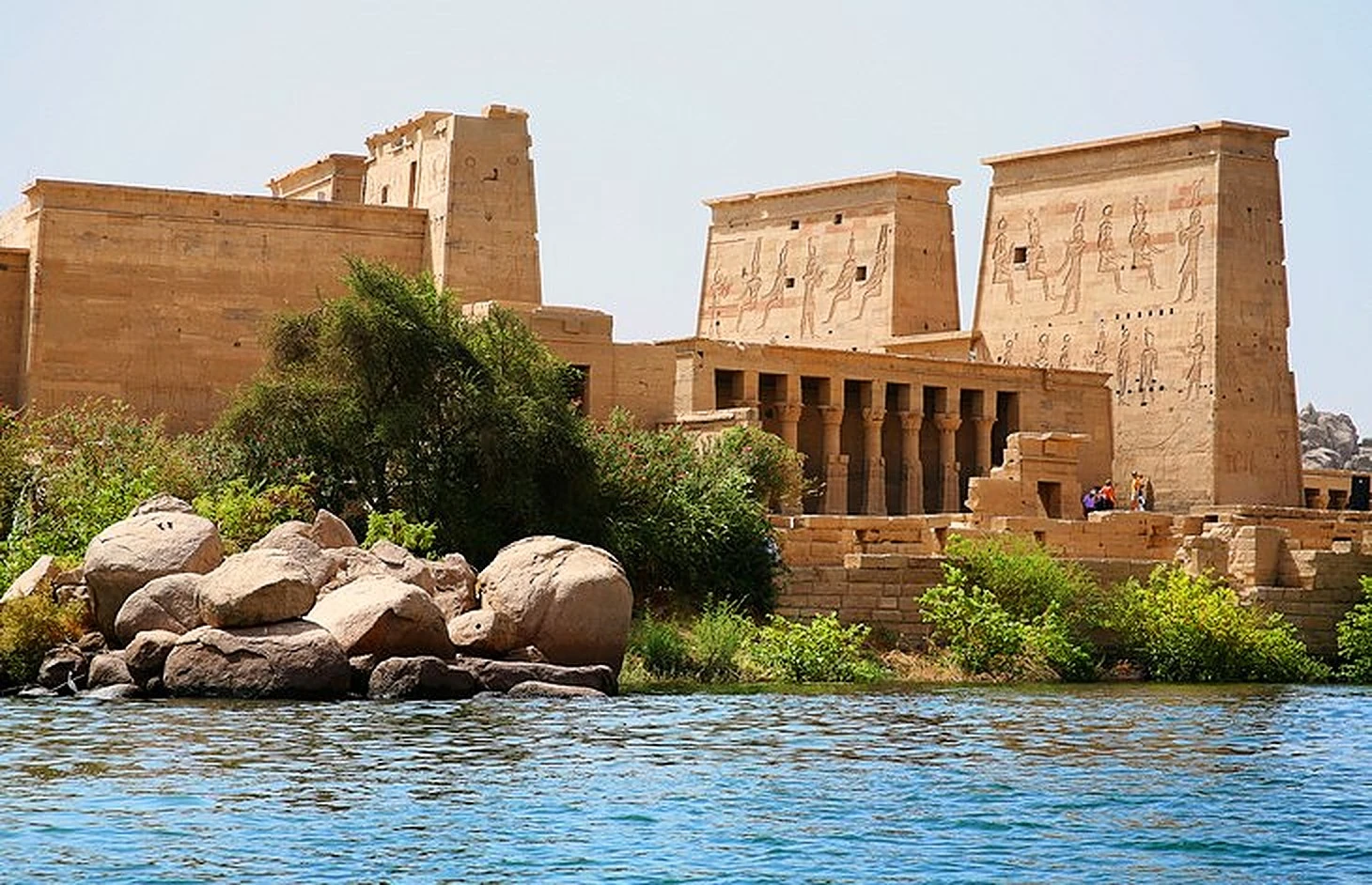
Dedicated to the goddess Isis, Philae Temple is located on an island in the Nile.
Temple of Isis
Its mythological associations with Isis and Osiris deepen its spiritual significance.
Island Setting
Approaching by boat adds atmosphere and makes it one of the most visually striking historical places to visit in Egypt.
Luxor Temple
Situated in the heart of modern Luxor, Luxor Temple represents ancient ceremonial grandeur.
Avenue of Sphinxes
The avenue once connected Luxor Temple to Karnak, serving as a sacred processional route.
The temple’s illumination at night enhances its architectural drama.
Explore Aswan's Sightseeing
Uncover Philae Temple, Nubian heritage, and the southern treasures of Upper Egypt
Historical Places in Cairo You Shouldn’t Miss
Cairo alone offers a remarkable concentration of historical places to visit in Egypt.
- The Egyptian Museum / GEM – A comprehensive introduction to pharaonic artifacts.
- Islamic Cairo—Home to medieval mosques and bustling historic streets.
- Citadel of Saladin—A fortress overlooking the city.
- Coptic Cairo—Early Christian churches and sacred sites.
- Hidden Gems in Cairo—Lesser-known historic houses and atmospheric districts that reveal Cairo’s deeper layers of history.
Together, these sites demonstrate Cairo’s role as a living historical capital.
Historical Places in Luxor
Luxor is often described as the world’s greatest open-air museum.
- Karnak Temple – Monumental religious architecture.
- Luxor Temple—Urban ceremonial complex.
- Hatshepsut Temple—Cliffside mortuary temple.
- Medinet Habu—Dramatic reliefs and a quieter atmosphere.
- Royal Tombs—Including the Valley of the Kings and Valley of the Queens.
For travellers focused on ancient history, Luxor contains some of the most concentrated historical places to visit in Egypt.
Discover Hidden Gems in Cairo Egypt
Go beyond the pyramids and explore lesser-known historical neighbourhoods and cultural landmarks in Cairo:
Historical Places in Aswan & Upper Egypt
Southern Egypt offers a blend of monumental temples and Nubian heritage.
- Abu Simbel: Monumental frontier temple.
- Philae Temple—Island sanctuary.
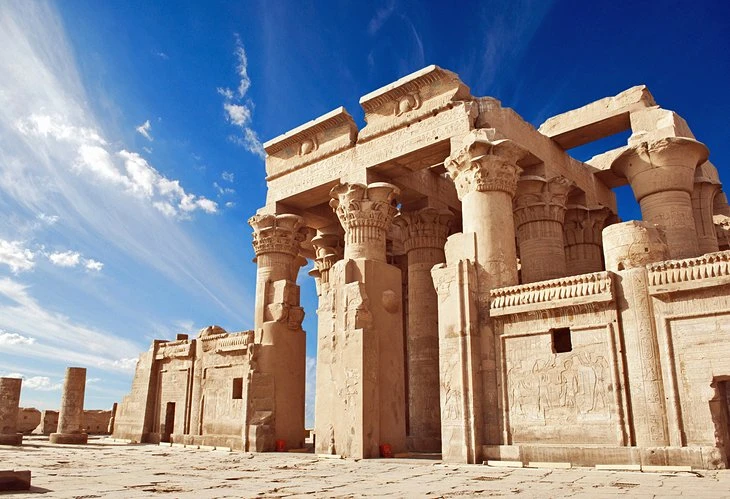
- Kom Ombo—A dual temple dedicated to Sobek and Horus.
- Edfu Temple—Best-preserved ancient Egyptian temple.
- Nubian Temples—Sites relocated during the creation of Lake Nasser.
These destinations complete the southern chapter of Egypt’s historical narrative.
Hidden Historical Places Most Tourists Miss
While iconic landmarks dominate most itineraries, some of the most rewarding historical places to visit in Egypt are lesser-known sites that offer intimacy, atmosphere, and depth without large crowds.
Abydos Temple
Located north of Luxor, Abydos is one of Egypt’s most sacred ancient cities. The Temple of Seti I is renowned for its exceptional relief quality, considered among the finest carvings in ancient Egypt. For history enthusiasts, Abydos provides artistic detail that rivals better-known temples.
Dendera Temple
Often overlooked, Dendera is dedicated to the goddess Hathor. Its ceiling carvings and astronomical symbolism make it one of the most visually impressive yet under-visited historical places to visit in Egypt.
Dahshur
While Giza attracts global attention, Dahshur offers access to the Bent Pyramid and Red Pyramid with far fewer visitors. For travellers seeking pyramids without crowds, Dahshur delivers a more relaxed experience.
Kalabsha & Nubian Temples
Relocated during the construction of the Aswan High Dam, these temples along Lake Nasser reveal a unique chapter of preservation history. They demonstrate that Egypt’s heritage extends beyond the most photographed landmarks.
Including hidden sites alongside major icons creates a more complete understanding of Egypt’s historical landscape.
How Many Days Do You Need to Explore Historical Places to Visit in Egypt?
The ideal duration depends on how deeply you want to explore Egypt’s heritage.
5 Days
A short itinerary typically covers Cairo and Luxor. You can visit the Pyramids, the Grand Egyptian Museum, Karnak Temple, Luxor Temple, and the Valley of the Kings.
7–10 Days
This is the most balanced timeframe for experiencing the top historical places to visit in Egypt. It allows for Cairo, Luxor, and Aswan, including Abu Simbel and Philae Temple.
12+ Days
A longer journey enables travellers to add Abydos, Dendera, Nubian temples, and potentially a Red Sea extension. This pace allows for deeper exploration without rushing between sites.
Well-structured itineraries help travellers avoid fatigue and maximize cultural understanding, especially when moving between regions.
H2: Best Time to Visit Historical Places in Egypt
Timing plays a significant role when exploring the most important historical places to visit in Egypt.
October to April (High Season)
This is the most comfortable period due to moderate temperatures. Ideal for walking through temples and tombs.
May to September (Hot Season)
Summer temperatures can be intense, especially in Upper Egypt. Early morning visits are essential.
Best Time of Day
- Early morning: Ideal for major temples like Karnak and Abu Simbel.
- Late afternoon: Excellent for photography at Hatshepsut and Philae.
- Evening: Luxor Temple is particularly atmospheric after sunset.
Choosing the right season and time of day dramatically enhances the experience of Egypt’s historical sites.
Plan Your Historical Journey with Traviaz
Exploring the most remarkable historical places to visit in Egypt requires coordination, pacing, and historical insight. Distances between Cairo, Luxor, and Aswan can be significant, and visiting multiple temples in one day without strategic timing can become overwhelming.
Traviaz specializes in curated heritage journeys designed around comfort, expertise, and intelligent routing. Rather than following generic group schedules, itineraries are structured to:
- Optimize visiting hours
- Reduce travel fatigue
- Include both iconic landmarks and hidden gems
- Provide licensed Egyptologist interpretation
With seamless transfers, optional Nile cruise experiences, and carefully selected accommodations, travellers can focus on immersion rather than logistics.
Whether you are discovering the Pyramids for the first time or exploring lesser-known temples in Upper Egypt, Traviaz ensures that each historical place is experienced at its best moment—transforming sightseeing into a meaningful cultural journey.
FAQs About Historical Places to Visit in Egypt
What are the top 5 historical places to visit in Egypt?
The Pyramids of Giza, Karnak Temple, Valley of the Kings, Abu Simbel, and Philae Temple are among the most visited historical landmarks.
Is Egypt safe for tourists interested in history?
Yes, major historical sites are well-managed and frequently visited by international travellers.
Are pyramids the only historical sites in Egypt?
No. Egypt offers temples, tombs, Islamic architecture, Coptic churches, and Greco-Roman monuments.
Which city has the most historical sites?
Luxor contains the highest concentration of ancient Egyptian monuments, while Cairo offers multi-period history.
How much time should I spend in Egypt?
At least 7–10 days are recommended to properly explore the main historical places to visit in Egypt.
Conclusion
Egypt is not simply a destination—it is a timeline carved in stone. From the monumental Pyramids of Giza to the intricate temple reliefs of Luxor and the dramatic frontier presence of Abu Simbel, the historical places to visit in Egypt offer one of the most complete cultural journeys in the world.
What makes Egypt truly exceptional is not just the age of its monuments but also their diversity. Within one country, travellers can experience ancient pharaonic temples, Greco-Roman sanctuaries, Coptic churches, Islamic citadels and Nubian heritage sites. Few destinations on earth present such a continuous and layered historical narrative.
Whether you are drawn to colossal architecture, mythological symbolism, sacred geography, or lesser-known hidden gems, exploring the historical places to visit in Egypt becomes more meaningful when thoughtfully planned. Timing, sequencing, and expert interpretation transform monuments into stories—and stories into unforgettable memories.
Egypt does not simply preserve history. It invites you to walk through it.


-webp.webp "Nubian Village Aswan")
-webp.webp "Abu Simbel Day Trip from Aswan")