
-webp.webp "Cairo Sightseeing Guide 2026")
Planning Cairo sightseeing is like opening a living timeline—every neighbourhood reveals a different chapter of Egypt’s story. From pharaonic treasures in Tahrir and Fustat to soaring Mamluk minarets in Islamic Cairo and the calm spirituality of Coptic Cairo, the capital concentrates 5,000 years of culture into one endlessly walkable, photo-worthy city. This guide brings together Cairo’s essential attractions—iconic museums, mosques, churches, palaces, medieval gates, and bustling souks—so you can build an itinerary that matches your pace and interests.
Whether you want to stand before royal statues at the Egyptian Museum, meet the royal mummies at NMEC, trace dynastic power at the Citadel of Saladin, wander the historic lanes of Al-Muizz Street and El-Darb El-Ahmar, or bargain for brass and spices in Khan El-Khalili, our Cairo sightseeing list covers it all. We also include lesser-known gems—Nilometers, synagogues, wikālas, and palace museums—so history lovers, families, and first-timers can mix headline sights with quieter, story-rich stops.
To help you plan smarter, each section highlights what to see, why it matters, and practical tips (best time to visit, how long to allow, and smart pairings). Use this as your structured map to Cairo: start with a few anchors (Tahrir, Fustat, and the Citadel), weave in Islamic and Coptic landmarks, and then leave space for serendipity—coffee under a mashrabiya balcony, a sunset call to prayer echoing between stone minarets, and a final stroll through the market’s lantern-lit alleys. With the right plan, Cairo sightseeing becomes less about ticking boxes and more about experiencing the city’s layered soul.
Top Cairo Sightseeing Attractions
Cairo is a city where every stone, dome, and alley tells a story. From the ancient world of the pharaohs to the golden age of Islamic architecture, the capital of Egypt is a living museum that connects past and present in one unforgettable journey. Exploring the top Cairo sightseeing attractions means tracing the evolution of civilization itself—from the treasures of ancient kings to the spiritual and artistic masterpieces that shaped the city’s identity.
Visitors can spend mornings wandering through museums filled with mummies and gold, afternoons climbing medieval minarets or strolling along narrow lanes lined with mashrabiya windows, and evenings savouring Egyptian coffee while the call to prayer echoes across the skyline. Whether you’re a first-time traveller or a returning explorer, Cairo’s landmarks—like the Egyptian Museum, Citadel of Saladin, Al-Muizz Street, and Khan El Khalili Market—offer endless layers of discovery.
In this section, we’ll uncover the must-see Cairo sightseeing places, highlighting the stories behind each one, what makes them special, and how to make the most of your visit. From ancient wonders to hidden gems, these sites capture the essence of a city that has stood at the heart of human history for over 5,000 years.
1-The Egyptian Museum in Tahrir
No Cairo sightseeing experience is complete without stepping into the Egyptian Museum in Tahrir, the oldest archaeological museum in the Middle East and home to the world’s most extensive collection of Pharaonic antiquities. Opened in 1902, this museum is not just a building—it’s a journey through 5,000 years of Egyptian history, where each gallery reveals a different era of civilization, mystery, and artistry.
Situated in the heart of Cairo’s iconic Tahrir Square, the pink neoclassical structure, designed by French architect Marcel Dourgnon, stands as a landmark that connects Egypt’s glorious past with its modern urban pulse. Even as new museums emerge, like the Grand Egyptian Museum (GEM) in Giza, the Tahrir Museum remains an irreplaceable cultural anchor.
Historical Background
The idea of a national museum dates back to the mid-19th century when the famous Egyptologist Auguste Mariette began collecting and preserving artifacts that were previously scattered or smuggled abroad. His vision culminated in the founding of the Egyptian Museum, which became the first permanent home for the treasures of ancient Egypt.
When it opened in 1902 under the patronage of Khedive Abbas Hilmi II, the museum housed over 120,000 objects—an astounding number for its time. Over the years, its collection grew to include artifacts from every dynasty, showcasing the evolution of Egyptian art, culture, and belief systems. The museum even witnessed historical events in Tahrir Square, standing as a silent witness to Egypt’s modern transformation.
2) The National Museum of Egyptian Civilization (NMEC)
Among the modern highlights of Cairo sightseeing, the National Museum of Egyptian Civilization (NMEC) represents a new era in how Egypt tells its story. Located in the historic city of Fustat, the museum bridges the gap between the ancient and the contemporary, offering visitors a chronological journey through Egypt’s civilization—from prehistoric times to the modern day.
With sleek architecture and advanced technology, NMEC stands as Egypt’s first museum focusing on the continuum of human development rather than a single period, making it a must-visit for families, historians, and travellers who want to understand Egypt as a living culture, not just an ancient one.
Historical Background
The concept of NMEC was first introduced in 1982 by UNESCO and was realized in 2017, officially opening its doors to the public in 2021 with a grand celebration known worldwide as the “Pharaohs’ Golden Parade.” During this event, 22 royal mummies were transferred in a majestic procession from the Egyptian Museum in Tahrir to their new home at NMEC, marking one of the most symbolic moments in Egypt’s modern history.
The museum spans over 490,000 square feet, housing more than 50,000 artifacts that narrate Egypt’s evolution through six major eras: prehistoric, pharaonic, Greco-Roman, Coptic, Islamic, and modern. Each gallery uses immersive displays, multimedia, and lighting to tell a cohesive story of innovation, belief, and continuity.
3) The Citadel of Saladin & Mohamed Ali Mosque
Perched on the Mokattam Hills, the Citadel of Saladin is one of the most striking landmarks in Cairo sightseeing, offering sweeping views of the city and a rich blend of Islamic architecture and military history. The citadel, with its massive stone walls and elegant domes, tells the story of Cairo’s power and faith across eight centuries.
Within its fortress stands the stunning Mohamed Ali Mosque, one of the city’s most photographed monuments, symbolizing the golden age of 19th-century Egypt and Ottoman design. Together, they form a living testimony to Cairo’s layered identity.
Historical Background
The Citadel was commissioned by Salah al-Din al-Ayyubi (Saladin) in 1176 to protect Cairo from Crusader attacks. Completed by his successors, it became Egypt’s seat of government for over 700 years, housing palaces, military barracks, and mosques. Over time, it witnessed many dynasties—the Ayyubids, Mamluks, and Ottomans—all leaving architectural imprints.
The Mosque of Mohamed Ali, built between 1830 and 1848 by the founder of modern Egypt, Mohamed Ali Pasha, dominates the citadel’s skyline. Designed by Greek architect Yusuf Bushnaq, it features Ottoman-style domes and twin minarets that mirror Istanbul’s Blue Mosque. Inside, alabaster walls, gold calligraphy, and a grand chandelier create a serene, almost ethereal space.
Today, the Citadel also includes museums like the National Military Museum and the National Police Museum, offering visitors a glimpse into Egypt’s military evolution. Whether you’re admiring the view from its ramparts or standing beneath the mosque’s great dome, this site encapsulates the grandeur of Cairo sightseeing.
4) The Hanging Church (at Babylon Fortress)
In the heart of Old Cairo, above the ancient Babylon Fortress, stands one of Egypt’s most treasured Christian landmarks—the Hanging Church (El Muallaqa). As one of the oldest churches in the country, dating back to the 3rd century AD, it is a cornerstone of religious Cairo sightseeing, representing Egypt’s deep Coptic heritage and coexistence of faiths.
Historical Background
Built atop two Roman gate towers, the church earned its name “Hanging” because it literally hangs over the passageway of the old fortress. Originally dedicated to the Virgin Mary, it served as the official residence of the Coptic Patriarch for centuries and has witnessed numerous coronations of patriarchs.
Inside, visitors find intricate wooden screens, icons of saints painted in the traditional Coptic style, and a marble pulpit supported by 13 small columns representing Christ and his apostles. The blend of Coptic, Byzantine, and Islamic influences reflects Cairo’s unique cultural harmony.
The Hanging Church remains an active place of worship and pilgrimage, especially during the Feast of the Virgin Mary. Its spiritual atmosphere and historical layers make it one of the most peaceful stops on any Cairo sightseeing tour.
5) Saints Sergius & Bacchus Church (Abu Serga)
Just steps away from the Hanging Church lies another sacred gem of Cairo sightseeing—the Church of Saints Sergius and Bacchus, known locally as Abu Serga. This modest yet profoundly spiritual site holds a special place in Christian history, as it is believed to be built over the spot where the Holy Family—Joseph, Mary, and baby Jesus—rested during their flight into Egypt.
Historical Background
Dating back to the 5th century AD, Abu Serga is one of Cairo’s oldest surviving churches and a living symbol of the city’s deep-rooted Christianity. The church was named after two Roman soldiers, Sergius and Bacchus, who were martyred for their faith.
The architecture is simple yet captivating: a basilica-style layout with wooden ceilings shaped like Noah’s Ark, marble columns, and ancient frescoes that still whisper the stories of early believers. Beneath the church lies a crypt most sacred part of the site — where tradition holds that the Holy Family took refuge.
The church has been restored multiple times but retains its serene authenticity. Visitors can attend Coptic masses, admire the ancient icons, and experience a sense of tranquility rarely found elsewhere. For those exploring Cairo sightseeing, Abu Serga offers not just a historical stop but a profound spiritual connection to Egypt’s Christian heritage.
6) The Cave Church of St. Simon (Mokattam)
Hidden within the rocky cliffs of the Mokattam Hills, the Cave Church of St. Simon the Tanner is one of Cairo’s most extraordinary spiritual landmarks and a highlight for anyone interested in Cairo sightseeing beyond the traditional sites. Known locally as “The Garbage Church,” it sits in the heart of Manshiyat Naser—the “Zabbaleen” (garbage collectors) district—offering a story of faith, resilience, and transformation.
Historical Background
The church was established in the 1970s when the local Coptic community, led by Father Samaan, sought a larger place to worship. Excavated directly into the limestone mountain, it was expanded into a vast amphitheatre that now holds over 20,000 worshippers, making it one of the largest churches in the Middle East.
The complex includes several cave chapels, each decorated with intricate carvings and murals depicting biblical stories, all hand-crafted by artist Maren Gerges Salib. Beyond its spiritual significance, the Cave Church has become a symbol of community empowerment—transforming one of Cairo’s poorest neighbourhoods into a thriving example of unity and faith.
7) The Coptic Museum
Located in Old Cairo near the Hanging Church, the Coptic Museum is an essential stop for those exploring Cairo sightseeing from a cultural and religious perspective. It serves as the guardian of Egypt’s Christian heritage, bridging the gap between Pharaonic art and Islamic tradition.
Historical Background
Founded in 1908 by Marcus Simaika Pasha, the museum was created to preserve and celebrate the Coptic identity at a time when Egypt was redefining its cultural legacy. Today it houses more than 16,000 artifacts that narrate the story of Christianity in Egypt—from the 3rd to the 19th century.
Inside, visitors discover manuscripts written in Coptic and Greek, wooden icons of Christ and the Virgin Mary, frescoes, textiles, and stone carvings showing how ancient Egyptian artistic motifs evolved into Coptic forms. The museum’s architecture itself, with mashrabiya woodwork and geometric patterns, blends Islamic and Coptic design, embodying Cairo’s cultural coexistence.
8) Ben Ezra Synagogue
Tucked away in the Coptic Quarter, the Ben Ezra Synagogue is one of the oldest Jewish synagogues in Egypt and an unmissable part of Cairo sightseeing for those fascinated by the city’s diverse religious past.
Historical Background
According to tradition, the synagogue stands on the site where baby Moses was found among the reeds by Pharaoh’s daughter. The building was reconstructed in the 12th century after being purchased by Abraham Ben Ezra of Jerusalem.
Its historical significance skyrocketed in the 19th century when the Cairo Geniza—a priceless trove of over 300,000 Jewish manuscripts—was discovered within its walls. These documents shed light on Jewish life across the Mediterranean for nearly a millennium. The synagogue’s elegant design, blending basilica and Arabic styles, and its tranquil courtyard make it a serene stop within the bustling heart of Cairo.
9) Amr Ibn al-As Mosque
Among the landmarks that define Cairo sightseeing, the Mosque of Amr Ibn al-As stands as a cornerstone of Egypt’s Islamic heritage. Built in 641 AD, it is the first mosque ever constructed in Africa and remains an active place of worship today.
Historical Background
Commissioned by Amr Ibn al-As, the commander who founded the city of Fustat after the Muslim conquest of Egypt, the mosque once served as both a religious and administrative centre. Though it has undergone several reconstructions, its open-air courtyard, marble columns, and arcaded porticos retain the simplicity and elegance of early Islamic architecture.
The mosque has long symbolized Cairo’s role as a meeting point of civilizations—its design blending Roman, Coptic, and Arab influences. Visiting at prayer time immerses travellers in the rhythm of Cairo’s spiritual life, offering an authentic moment rarely captured elsewhere.
10) Rawda Island Nilometer (Miqyās al-Nīl)
For history and science enthusiasts, the Rawda Island Nilometer is a fascinating site within Cairo sightseeing that showcases ancient Egypt’s genius for measurement and sustainability.
Historical Background
Constructed in 861 AD during the Abbasid Caliphate, this ingenious structure was used to measure the Nile’s water level and predict annual floods—vital for agriculture and taxation. Designed by the astronomer Abu al-Abbas Ahmad ibn Muhammad ibn Kathir al-Fargani, the Nilometer, consists of a deep well with a central marble column marked with cubits, connected to the river by underground channels.
Its beautifully carved Kufic inscriptions invoke divine blessings for good harvests. Though now a quiet historical monument, it stands as an enduring reminder of Egypt’s dependence on—and mastery of—the Nile, the river that gave life to its civilization.
11) Prince Mohamed Ali Palace (Manial Palace)
A jewel of Islamic and European fusion, the Prince Mohamed Ali Palace, located on Manial Island, is a must-see for art and architecture lovers exploring Cairo sightseeing.
Historical Background
Built between 1899 and 1929 by Prince Mohamed Ali Tewfik, a member of the Muhammad Ali dynasty, the palace blends Ottoman, Moorish, and Persian styles with touches of rococo elegance.
The complex includes a residence palace, a throne hall, a mosque, and lush gardens filled with rare plants from around the world. Its interiors dazzle with marble inlays, arabesque ceilings, and coloured glass windows, all curated by the prince himself.
Today, it functions as a museum displaying royal furniture, manuscripts, and artifacts from the 19th and 20th centuries, offering visitors a glimpse into the refined lifestyle of Egypt’s nobility.
12) Abdeen Palace
No Cairo sightseeing itinerary is complete without visiting the grand Abdeen Palace, one of Cairo’s most opulent royal residences and a symbol of Egypt’s modern monarchy.
Historical Background
Constructed between 1863 and 1874 by Khedive Ismail, Abdeen Palace replaced the Citadel as the royal seat and became the political heart of Egypt’s 19th- and early 20th-century governance.
The palace’s architecture blends European neoclassical style with Ottoman flourishes, showcasing lavish halls adorned with gold, crystal chandeliers, and imported marble. It houses five museums today—including the Arms Museum and the Silver Museum—open to the public, each reflecting the splendour of royal life.
Abdeen Palace remains an active presidential site for state ceremonies, yet its open galleries invite visitors to step back into the age of elegance and power that once defined Cairo’s royal era.
13) Ibn Tulun Mosque
Standing proudly in the heart of Islamic Cairo, the Ibn Tulun Mosque is one of the oldest and largest mosques still in its original form—a true architectural treasure for any Cairo sightseeing itinerary. Built entirely of red brick and plaster, it offers a rare glimpse into the grandeur of 9th-century Islamic design.
Historical Background
Commissioned by Ahmad Ibn Tulun, the founder of the Tulunid dynasty, the mosque was completed in 879 AD. Inspired by the Great Mosque of Samarra in Iraq, it’s famous for its unique spiral minaret and vast open courtyard. The mosque was designed to accommodate thousands of worshippers, making it one of the first in Cairo to include integrated ablution and educational facilities.
Its most iconic feature is the helical minaret, which visitors can climb to enjoy panoramic views of Cairo’s old quarters. The mosque’s Kufic inscriptions, carved stucco decorations, and geometric arches showcase the artistry that flourished in early Islamic Egypt. Today, it remains a peaceful haven, echoing centuries of prayer and scholarship.
14) Mosque-Madrasa of Sultan Hassan
The Mosque-Madrasa of Sultan Hassan is one of Cairo’s most magnificent architectural masterpieces—often called the “Pearl of Islamic Architecture.” For lovers of history and design, it’s a must-see highlight of Cairo sightseeing, admired for its scale, symmetry, and spiritual presence.
Historical Background
Built between 1356 and 1363 by Sultan Hassan bin Al-Nasir Muhammad, this mosque-madrasa complex was designed as both a place of worship and education. It houses four separate schools dedicated to the main Islamic schools of thought—Hanafi, Maliki, Shafi’i, and Hanbali.
The structure is famous for its monumental entrance, towering 38 meters high, and its massive central courtyard surrounded by domed iwans. The mihrab and minbar are adorned with exquisite marble and mother-of-pearl inlay, while the mausoleum of Sultan Hassan faces Mecca directly. Across from it stands the Al-Rifai Mosque, forming one of Cairo’s most photogenic Islamic panoramas.
15) Al-Rifai Mosque
Facing the Sultan Hassan Mosque is its graceful twin—the Al-Rifai Mosque, an essential stop on any Cairo sightseeing tour for those who appreciate 19th-century Islamic revival architecture.
Historical Background
Construction began in 1869 under Khoshiar Hanim, the mother of Khedive Ismail, and was completed in 1912. The mosque was intended to complement Sultan Hassan’s medieval masterpiece while housing royal tombs.
Inside lie the remains of Egyptian royals including King Farouk, as well as Shah Mohammad Reza Pahlavi, the last Shah of Iran. The mosque’s ornate marble, gilded ceilings, and mashrabiya woodwork reflect Ottoman and Mamluk influences, blending old Cairo’s spirit with modern craftsmanship. Its grand arches and tranquil atmosphere make it one of the most elegant stops in the Citadel district.
16) Al-Azhar Mosque
No exploration of Cairo sightseeing would be complete without visiting the Al-Azhar Mosque, the spiritual and intellectual heart of the Islamic world. For over a millennium, it has been both a mosque and a university—symbolizing Cairo’s role as a global centre of knowledge and faith.
Historical Background
Founded in 970 AD by the Fatimid Caliph Al-Mu’izz li-Din Allah, Al-Azhar is one of the oldest universities in the world. Its name, meaning “The Radiant,” refers to Fatima al-Zahra, the Prophet Muhammad’s daughter.
The mosque’s architecture evolved over centuries, blending Fatimid, Mamluk, and Ottoman styles. Its marble courtyards, multiple minarets, and intricate calligraphy reflect Islamic art’s highest achievements.
Today, Al-Azhar University continues to educate thousands of students from across the globe, making it both a living institution and a sacred landmark. The call to prayer echoing through its courtyards remains one of the most beautiful sounds in Cairo.
17) Al-Muizz Street
Known as the open-air museum of Islamic Cairo, Al-Muizz Street is one of the most vibrant and historically rich parts of the city. It’s where Cairo sightseeing turns into time travel—walking through this street feels like stepping into a living medieval city.
Historical Background
Originally established in the 10th century during the Fatimid era, Al-Muizz Street stretches through the old walled city and is lined with restored mosques, madrasas, hammams, and palaces. Highlights include the Qalawun Complex, Sabil-Kuttab of Katkhuda, and Bayt al-Suhaymi, each reflecting different phases of Cairo’s architectural evolution.
By day, the street glows with sunlight filtering through wooden lattices; by night, it transforms into a magical lantern-lit scene filled with music and the aroma of Egyptian street food. For photographers, historians, and travellers alike, Al-Muizz Street is Cairo’s soul.
18) Khan El-Khalili Bazaar
Few places capture the spirit of Cairo sightseeing like the Khan El-Khalili Bazaar, a labyrinth of narrow alleys, vibrant colours, and timeless crafts. Located near Al-Azhar Mosque, it’s Cairo’s oldest and most famous market—a living continuation of medieval trade.
Historical Background
Founded in the 14th century by Emir Djaharks al-Khalili, the bazaar was originally built as a caravanserai for merchants arriving from Africa and the East. Over the centuries, it grew into a bustling marketplace filled with workshops, spice stalls, gold shops, and coffeehouses.
Today, Khan El-Khalili remains one of Cairo’s most iconic destinations. You can buy handmade jewellery, brass lamps, perfumes, leather goods, and papyrus art while sipping mint tea at the legendary El-Fishawi Café, which has been open for over 200 years.
Visiting at sunset, when the call to prayer mingles with the chatter of merchants, is an unforgettable sensory experience—one that truly defines the heart of Cairo.
19) Bab Zuweila
The Bab Zuweila gate stands as one of the last surviving entrances to the medieval city walls of Cairo and remains one of the most photogenic spots in any Cairo sightseeing journey. Its twin minarets and intricate carvings tell tales of a city that once bustled with traders, scholars, and sultans.
Historical Background
Built in the 11th century during the Fatimid era, Bab Zuweila served as Cairo’s southern gate and a key point for processions and defence. It was later used during the Mamluk period for public ceremonies and, at times, as a place of justice. The gate’s name comes from a Berber tribe, the Zuweila, who guarded it.
Visitors can climb the spiral staircases to reach the top of the minarets and enjoy breathtaking views of Old Cairo’s skyline. Standing atop Bab Zuweila at sunset, as the call to prayer echoes through the city, is one of the most unforgettable experiences in Cairo.
20) Mosque of Sultan al-Mu’ayyad Shaykh
Adjoining Bab Zuweila is the Mosque of Sultan al-Mu’ayyad Shaykh, a masterpiece of Mamluk architecture and an essential site for Cairo sightseeing enthusiasts. Its marble courtyards, majestic domes, and carved wooden doors reflect the grandeur of 15th-century Cairo.
Historical Background
Built between 1415 and 1421 by Sultan al-Mu’ayyad Shaykh, the mosque was constructed on the site of a former prison where the sultan himself was once held captive. Its foundation thus symbolizes victory and renewal.
The mosque’s design features a vast courtyard, a richly decorated mihrab, and two minarets that rise gracefully above Bab Zuweila. Inside, colourful glass windows bathe the walls in soft light, while Quranic inscriptions cover every arch. The complex also once housed a madrasa and a Sufi hospice, showcasing how faith and learning were deeply connected in Cairo’s urban life.
21) El-Darb Al Ahmar
For those seeking a deeper, authentic experience of Cairo, El-Darb Al Ahmar offers a living heritage of crafts, architecture, and community. This district is a treasure for Cairo sightseeing, where restoration projects and traditional artisanship meet in harmony.
Historical Background
Located between Bab Zuweila and the Citadel, El-Darb Al Ahmar is one of Cairo’s oldest neighbourhoods, filled with mosques, mausoleums, and workshops dating back to the Mamluk era. The Aga Khan Foundation has been actively restoring its monuments and revitalizing local crafts like brass engraving, wood inlay, and textile weaving.
Wandering its narrow streets, visitors can encounter the Khayamiya Tentmakers’ Bazaar, historic mosques like Al-Maridani, and traditional houses such as Beit Zeinab Khatoun. It’s a place where Cairo’s soul still breathes—vibrant, authentic, and full of stories.
22) Qalawun Complex
A jewel of medieval architecture, the Qalawun Complex on Al-Muizz Street stands as one of the most remarkable monuments of Cairo sightseeing. Combining a mosque, madrasa, and hospital, it reflects the sophistication and humanism of Mamluk Cairo.
Historical Background
Built in 1284 by Sultan Al-Mansur Qalawun, the complex is celebrated for its fusion of Gothic and Islamic styles, influenced by Crusader architecture that the Mamluks encountered. The hospital, or maristan, offered free care to all citizens—an advanced concept for its time.
Inside, marble mosaics, wooden ceilings, and stained glass create a heavenly atmosphere. The mausoleum, adorned with mother-of-pearl and intricate stucco, is considered one of Cairo’s most beautiful spaces. Visiting this complex gives travellers a tangible sense of Cairo’s golden age of architecture and compassion.
23) Bab al-Futuh
The Bab al-Futuh, or “Gate of Conquest,” is another surviving gate of Fatimid Cairo and a must-see stop on a Cairo sightseeing itinerary. Together with Bab Zuweila and Bab al-Nasr, it forms part of the triad that once protected the walled city.
Historical Background
Constructed in 1087, Bab al-Futuh was strategically designed to repel invaders and control access from the northern routes. Its massive stone towers and semi-circular archways are masterpieces of military engineering.
Above the gate, decorative carvings and Kufic inscriptions celebrate Fatimid power and faith. Today, the site is a favorite for photographers and historians, offering a fascinating contrast between medieval architecture and the lively modern streets that surround it.
24) Bab El-Nasr
Meaning “Gate of Victory,” Bab El-Nasr is the northern gateway to Fatimid Cairo and a key highlight of historical Cairo sightseeing. Its towering walls and solid design reflect the city’s strength and ambition during the Fatimid period.
Historical Background
Completed in 1087 alongside Bab al-Futuh, this gate replaced an older entrance and served as a ceremonial and defensive structure. The gate’s exterior is decorated with shields symbolizing military triumph, while its interior passage reveals cross-vaulted ceilings and intricate stonework.
Climbing its towers reveals sweeping views of Al-Muizz Street and the old city, showing how Cairo evolved outward from this medieval heart.
25) Wikala of Al-Ghouri
Nestled near Al-Azhar Mosque, the Wikala of Al-Ghouri is one of Cairo’s finest examples of Mamluk-era commercial architecture. For those passionate about culture, craftsmanship, and music, this is a site that perfectly blends art and history within the larger scope of Cairo sightseeing.
Historical Background
Built in 1504 by Sultan Qansuh al-Ghouri, the wikala (or caravanserai) served as an inn and trading centre for merchants from across the region. Its architecture features arched galleries surrounding a central courtyard, where traders once stored goods and negotiated deals.
Today, the Wikala of Al-Ghouri is a vibrant cultural venue. It hosts Sufi Tanoura dance performances—mesmerizing spiritual shows that have become a beloved Cairo tradition. Sitting under the dim lights of this historic courtyard while watching the colourful whirling dervishes feels like stepping into a timeless story.
Frequently Asked Questions (FAQ)
1. What are the must-see attractions for first-time visitors in Cairo?
For first-time visitors, must-see Cairo sightseeing spots include the Egyptian Museum in Tahrir, the Citadel of Saladin, the Sultan Hassan Mosque, Al-Muizz Street, and Khan El-Khalili Bazaar. These landmarks perfectly represent the city’s blend of history, art, and everyday life.
2. How much time do I need to explore Cairo’s main sights?
Ideally, spend at least three to four days exploring the main Cairo sightseeing attractions. This allows time for museums, mosques, Coptic landmarks, and leisurely strolls through the old markets.
3. What’s the best time of year to visit Cairo?
The most pleasant time to enjoy Cairo sightseeing is between October and April, when the weather is mild and perfect for outdoor exploration. Summer months can be quite hot, especially around noon.
4. Are the Cairo attractions family-friendly?
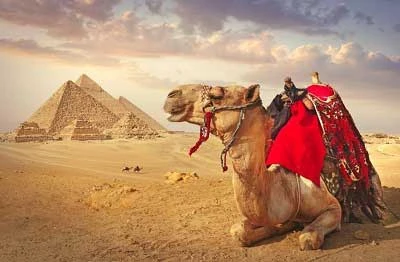
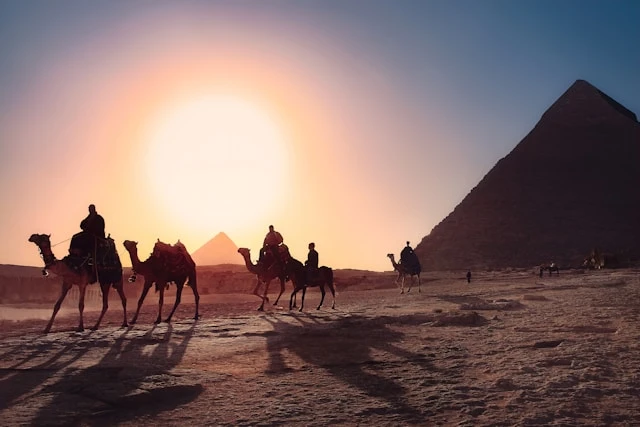
Yes! Many Cairo sightseeing spots, like the Egyptian Museum, the Citadel, and the Manial Palace, are perfect for families. Children often love camel rides near the Giza Pyramids or exploring the colourful Khan El-Khalili market.
5. How can I explore Cairo’s historic areas efficiently?
To make the most of your Cairo sightseeing trip, consider hiring a local guide or joining a private tour. This ensures you understand the historical context and hidden details behind each site—plus, it helps you navigate Cairo’s lively streets more smoothly.
6. What should I wear when visiting Cairo’s religious sites?
Modest clothing is recommended when exploring mosques or churches. Men should avoid sleeveless shirts, and women are encouraged to wear long skirts or pants and carry a light scarf to cover their heads in mosques.
7. Are photography and filming allowed at all Cairo attractions?
Photography is generally allowed, but some museums or religious sites may require an extra ticket or restrict flash photography. Always check the signage or ask your guide before taking photos.
8. Can I visit multiple Cairo attractions in one day?
Yes, many landmarks are located close together, especially in Old Cairo and around Islamic Cairo. You can easily combine Al-Azhar Mosque, Al-Muizz Street, and Khan El-Khalili in one walking tour.
9. Are Cairo sightseeing tours available in multiple languages?
Absolutely. Most licensed guides offer tours in English, French, German, Italian, Spanish, and other major languages. Always confirm the language preference when booking.
10. Is Cairo safe for tourists?
Cairo is generally safe, especially around popular tourist areas. As in any large city, stay aware of your surroundings, avoid unlicensed taxis, and keep valuables secure. Joining organized tours adds an extra layer of comfort and safety.
Conclusion
Cairo isn’t just a destination—it’s a story that unfolds with every step you take. From the timeless pyramids and mosques that scrape the sky to the bustling bazaars echoing with centuries of trade, Cairo sightseeing offers travellers a living connection to Egypt’s past and present.
Each monument, from the grand citadels to the hidden churches of Old Cairo, tells a tale of faith, power, and artistry. As you explore its streets, you’re not just seeing stone and structure—you’re feeling the pulse of a city that has been alive for more than a thousand years.
Whether you’re drawn by history, spirituality, or culture, Cairo rewards every curious traveller with unforgettable experiences. It’s a city that humbles, inspires, and welcomes—where every sunrise over the Nile feels like a new beginning.
If Egypt is the heart of ancient civilization, then Cairo is its eternal beat—a place where the old world and the modern one exist side by side, waiting for you to discover them both.