
Egypt Historical Tours Packages for Ancient Wonders & Temples
Some destinations are easy to summarize. You go for the beaches, the food, the shopping, or the scenery. Egypt is different. Egypt is not a place that fits into one travel category because it offers something much larger than a typical holiday. It is a country where history is not locked inside museums alone. It rises from the desert in the form of pyramids, stretches along the Nile in the form of temples, and survives in the details of tombs, inscriptions, statues, and sacred spaces that still feel alive thousands of years later.
That is exactly why so many travelers search for Egypt historical tours rather than standard vacation packages. They are not simply looking for a hotel and a transfer. They are looking for a way to understand what they are seeing. Egypt can be visually overwhelming in the best possible sense. The scale of its monuments, the depth of its history, and the sheer number of important sites can make the trip feel bigger than expected. A historical tour brings shape to that experience. It turns separate landmarks into a connected story.
The real value of Egypt historical tours is that they help travelers experience Egypt with direction and context. Instead of moving from one famous place to another without understanding how they relate, visitors begin to see the bigger picture. The pyramids are no longer just ancient structures. They become part of a story about royal power, engineering, burial beliefs, and the evolution of civilization. A temple is no longer only a photo stop. It becomes a place where religion, politics, art, and identity all meet.
This is where a company like Traviaz becomes especially relevant. A well-designed historical journey is not only about choosing the right sites. It is also about timing, pacing, logistics, and interpretation. Traviaz helps travelers move through Egypt in a way that feels smooth and meaningful, with experienced guides, well-planned routes, and enough structure to make the trip feel effortless without making it feel rigid.
What Are Egypt Historical Tours? A Deeper Way to See the Country
At their core, Egypt historical tours are journeys built around the country’s archaeological and cultural legacy. They are designed for travelers who want to do more than visit famous landmarks quickly. Instead, they focus on helping visitors explore the places that define Egypt’s historical identity: pyramids, tombs, temples, museums, necropolises, and ancient cities.
What makes these tours different from ordinary travel packages is the intention behind them. A regular holiday package might focus on convenience, relaxation, and sightseeing at a general level. Historical tours go further. They are designed to answer questions. Who built these structures? Why were they built this way? How were religion and kingship connected? What changed from the Old Kingdom to the New Kingdom? Why do sites in Cairo feel so different from sites in Luxor or Aswan?
In practical terms, Egypt historical tours usually include a combination of accommodation, private or shared transfers, domestic transport, site entry, and guided exploration. But those elements alone are not what make them valuable. What gives them value is how those elements are arranged. The strongest tours are not simply a list of famous stops. They are journeys with flow. Cairo introduces the monumental scale of ancient Egypt. Saqqara and Dahshur explain the evolution of pyramid building. Luxor reveals the ceremonial and royal heart of ancient Thebes. Aswan adds a different rhythm and a more graceful southern atmosphere. Abu Simbel brings the trip to a dramatic conclusion.
For travelers who care about history, Egypt historical tours often feel more satisfying than a self-planned itinerary because they remove the need to solve every detail alone. Instead of spending time figuring out ticket systems, domestic routes, travel windows, or how much time is really needed at each site, visitors can focus their energy on the experience itself.
Many travelers compare egypt guided tour packages with history-focused itineraries when planning their first trip.
Why Egypt Historical Tours Feel More Rewarding Than Ordinary Vacations
You Are Not Just Looking at Monuments—You Are Entering a Civilizational Story
One of the biggest differences between a historical tour and a general holiday is emotional depth. A standard vacation can be enjoyable, comfortable, and entertaining. But Egypt historical tours often stay with people in a different way because the places feel connected to something much larger than the trip itself. You are standing in front of structures built not decades ago, but millennia ago. You are walking through spaces that were designed to express power, eternity, cosmic order, and sacred belief.
That changes how a place feels. The Great Pyramid is not impressive only because of its size. It is impressive because it represents an extraordinary level of human ambition and technical intelligence. A royal tomb is not memorable only because it is old. It becomes powerful when you understand it as a carefully planned gateway to the afterlife.
History in Egypt Has Range, Not Repetition
Another reason travellers choose Egypt historical tours is variety. People sometimes assume Egypt is “all temples and pyramids,” but in reality the historical experience changes constantly from site to site. Giza feels monumental and iconic. Saqqara feels foundational and intellectual. Luxor feels ceremonial and grand. The Valley of the Kings feels private and symbolic. Aswan feels scenic and elegant. Abu Simbel feels dramatic and almost theatrical in scale.
This variety keeps the journey engaging. Each destination adds a different emotional tone and historical layer. That is why Egypt works so well as a multi-stop historical itinerary.
The Right Guidance Changes Everything
A site can look beautiful without explanation. But it becomes unforgettable with the right explanation. One of the strongest reasons to choose Egypt historical tours is the presence of a guide who can turn visual beauty into understanding. A relief on a temple wall suddenly tells a political story. A burial chamber reveals how Egyptians imagined the next world. A difference in pyramid shape becomes evidence of architectural trial and error.
That shift—from observing to understanding—is often what travellers remember most.
Travelers looking for archaeology-focused journeys often choose ancient Egypt tour packages with expert-led experiences.
Cairo, Giza, and the Beginning of the Historical Journey
Giza Pyramids and the Great Sphinx – The Moment Egypt Becomes Real
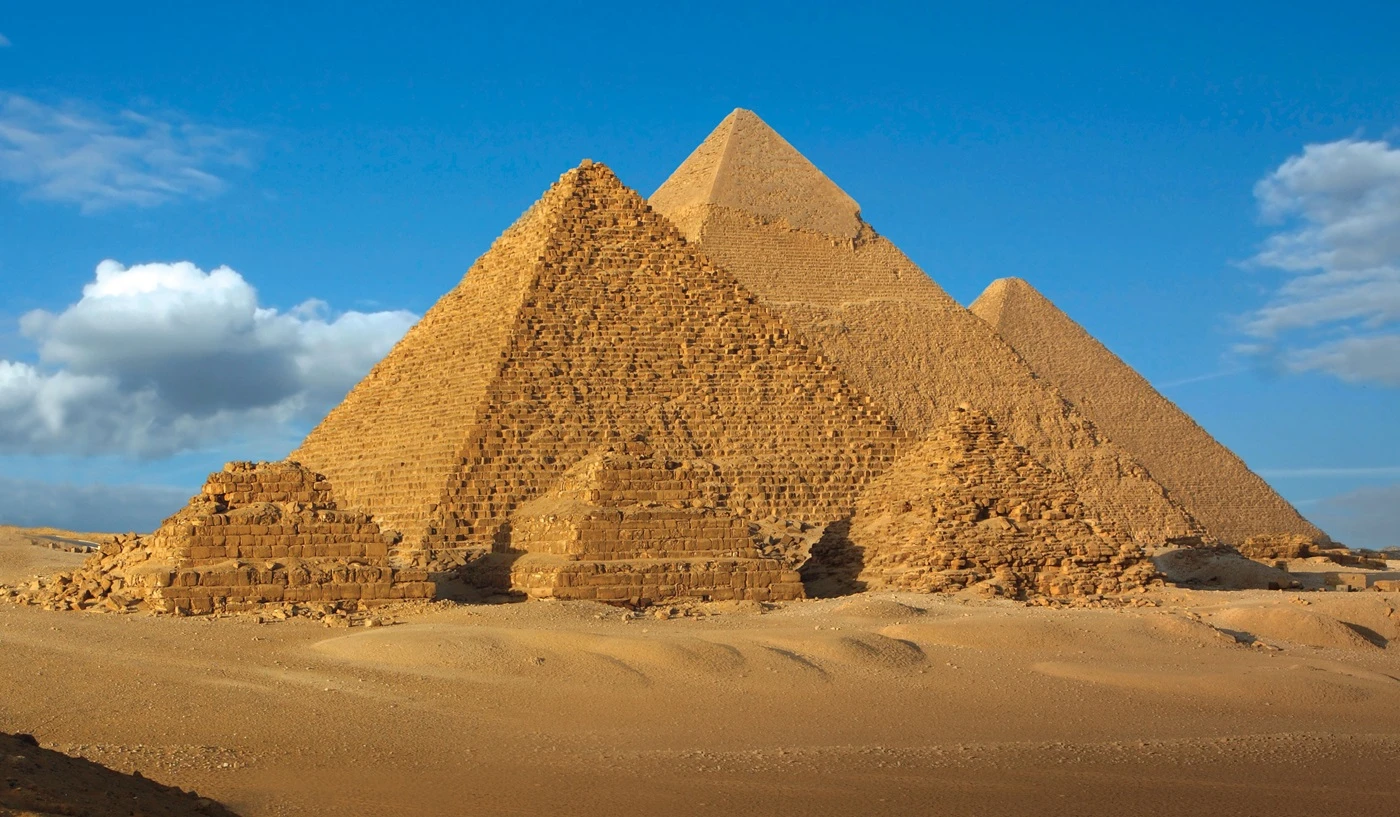
Most travellers begin their historical experience in or around Cairo, and that makes sense. The Giza Plateau is not only one of the most famous archaeological sites in the world; it is also the place where many people first feel the scale of ancient Egypt in person. Photos never quite prepare visitors for how massive the pyramids are or how the site feels when the city falls behind and the desert opens up around the monuments.
The Great Pyramid often creates a surprisingly emotional reaction. Travellers know it intellectually before they arrive, but standing beside it is different. The precision, the age, and the sheer presence of the structure make the moment feel larger than expected. The Great Sphinx adds another layer of mystery. It softens the site in a strange way—less geometric, more symbolic, more enigmatic.
For that reason alone, Giza is central to nearly all Egypt historical tours. It gives the journey a powerful beginning.
Museums in Cairo – Where the Fragments Become a Civilization
Cairo also provides something equally important: context. After seeing pyramids and monuments, museum collections help travellers understand the human side of ancient Egypt. Statues, jewellery, writing, ritual objects, furniture, funerary items, and royal artifacts all deepen the story.
Without museums, many travellers only see the grand exterior of Egyptian history. With them, they begin to understand daily life, kingship, craftsmanship, burial culture, and aesthetics. That is why museum time is not optional filler in strong historical Egyptian tours. It is part of how the bigger story comes together.
No list of egypt historical tours is complete without unforgettable giza pyramids tours.
Saqqara and Dahshur – Where the Pyramid Story Really Starts
Saqqara – The Place Where Monumental Egypt Begins Thinking Bigger
Saqqara is one of the most important sites in Egypt for travellers who want historical depth, not just famous landmarks. The Step Pyramid of Djoser is not simply another pyramid. It marks a turning point in architectural history. Here, visitors can see the moment when Egyptian builders moved beyond earlier mastaba tombs toward a new and more ambitious vision of royal burial.
What makes Saqqara especially compelling is that it feels intellectually important. It explains beginnings. It reveals experimentation. It shows the roots of the pyramid age before it reached perfection at Giza.
This is why the strongest historical Egypt tours do not stop at Giza. They continue to Saqqara.
Dahshur – The Quiet Place Where Egypt Learned to Build Greatness
Dahshur offers a completely different atmosphere. It is quieter, more open, and less commercial than Giza, yet historically it is essential. The Bent Pyramid and Red Pyramid tell a story of trial, adaptation, and technical progress. They show that the pyramids did not emerge in their final form all at once. They were developed through experimentation.
For travellers, Dahshur can be one of the most rewarding stops precisely because it feels less staged. The site gives space to think, photograph, and absorb the landscape. It also gives visitors a clearer sense of the process behind Egyptian architecture.
In many ways, Dahshur is one of the smartest additions to Egypt historical tours because it turns the pyramid story into something dynamic rather than fixed.
Luxor – When Ancient Egypt Stops Feeling Distant
Karnak Temple – Monumentality at Its Most Ambitious
If Cairo and Giza introduce the power of ancient Egypt, Luxor reveals its maturity. Karnak is one of the places where travellers realize just how grand Egyptian temple architecture could become. The columns, pylons, obelisks, and sacred spaces feel almost excessive in scale, yet everything was part of a larger religious and political message.
Karnak was not built all at once. It was expanded across generations, and that gives it a layered quality. It feels monumental, but it also feels cumulative—like a physical record of royal ambition.
For many visitors, Karnak becomes one of the defining experiences of Egypt historical tours because it expresses the ceremonial heart of the ancient state so clearly.
Luxor Temple – More Elegant, More Intimate, and Deeply Atmospheric
Luxor Temple creates a different mood. It feels more refined and more urban in its setting. If Karnak overwhelms through scale, Luxor Temple draws people in through atmosphere. The alignment of statues, the surviving reliefs, and the way the temple sits within the city make it feel layered with time.
It is also one of those places that can feel very different depending on when you visit. In the late afternoon or evening, the space takes on a much more dramatic character. That quality makes it a favourite stop in many Egypt historical tours.
Valley of the Kings – The Royal World Hidden Beneath the Mountains
Why Tombs Sometimes Leave the Strongest Impression
Not every great Egyptian site is about external scale. In the Valley of the Kings, the power of the experience comes from going inward. Visitors descend into spaces designed for silence, ritual, and eternity. The walls are covered in texts and scenes meant to guide kings into the next life.
This makes the Valley feel very different from the temples. It is more intimate, more symbolic, and often more emotionally affecting. Travellers are not just seeing decoration. They are seeing an entire worldview expressed underground.
The Valley of the Kings is one of the most important elements in Egypt historical tours because it reveals how Egyptian rulers wanted to be remembered and protected after death.
A premium luxor tour package is often one of the highlights of historical journeys through Egypt.
The Value of Expert Interpretation Here Is Especially High
This is also one of the places where guiding matters most. Without context, travellers may notice colour and beauty. With context, they begin to understand funerary books, divine protection, rebirth, judgment, and the language of sacred imagery.
That depth is what turns a tomb visit from interesting to unforgettable.
Aswan and Abu Simbel – A Different Pace, A Strong Finish
Aswan – Beauty, Grace, and Space to Breathe
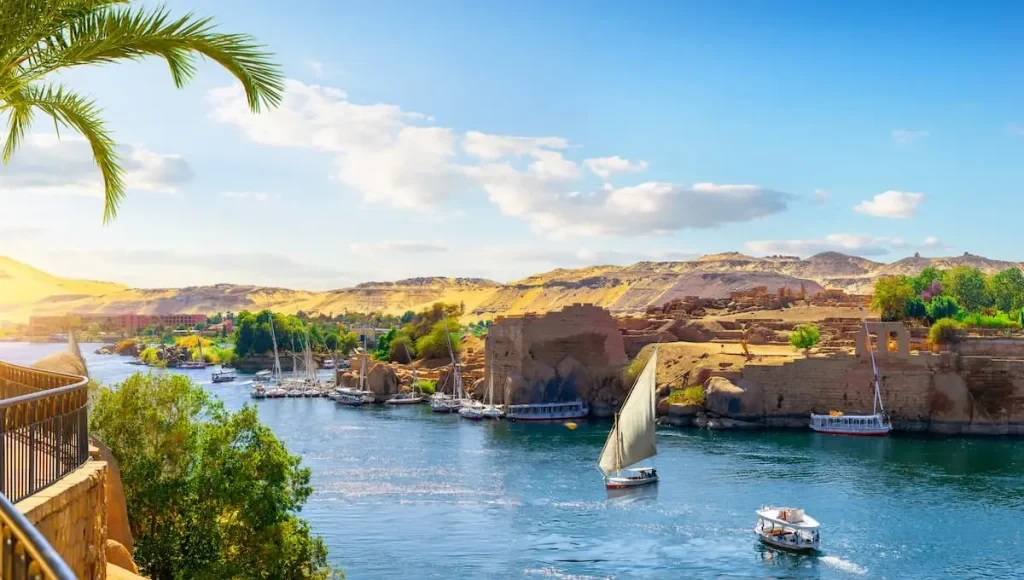
After Cairo and Luxor, Aswan often feels like a release. The Nile is broader, the light softer, and the pace calmer. It changes the tone of the trip in a welcome way.
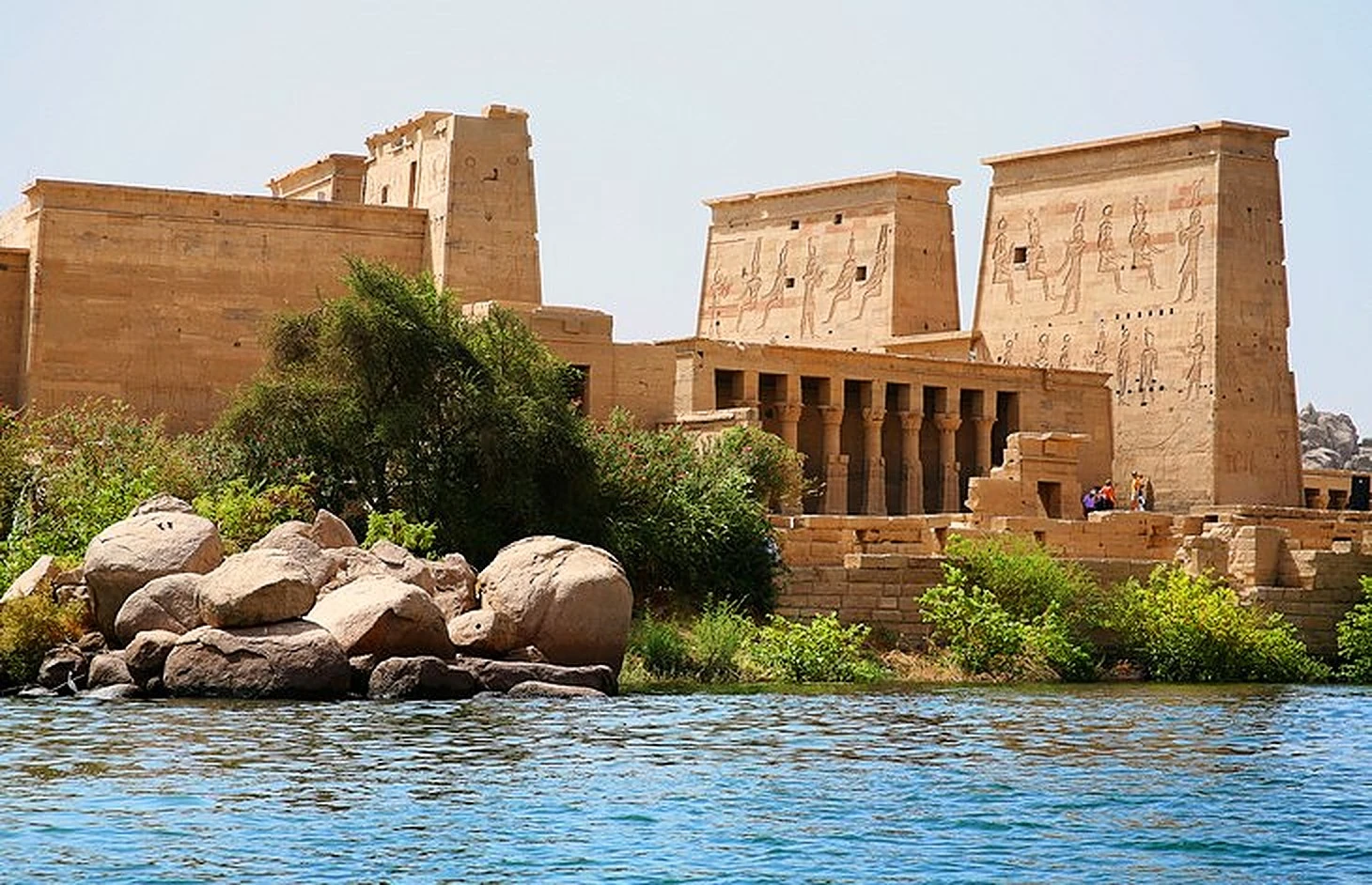
Philae Temple, approached by boat, adds elegance and beauty to the itinerary. It feels more scenic and lyrical than monumental. That balance matters. The strongest Egypt historical tours are not all about scale. They also create rhythm, and Aswan gives the journey breathing room.
Abu Simbel – One of the Great Rewards of Going Further South
Abu Simbel is the kind of place that justifies the effort it takes to reach it. The statues of Ramses II are among the most dramatic images in Egypt. But the site is not powerful only because of its appearance. It is powerful because of its symbolism, its setting, and the extraordinary story of its relocation during the twentieth century.
For travellers, Abu Simbel often feels like one of the emotional peaks of the trip. It is a reminder that Egypt is full of places that exceed even very high expectations.
That is why premium Egypt historical tours often include it as a major highlight.
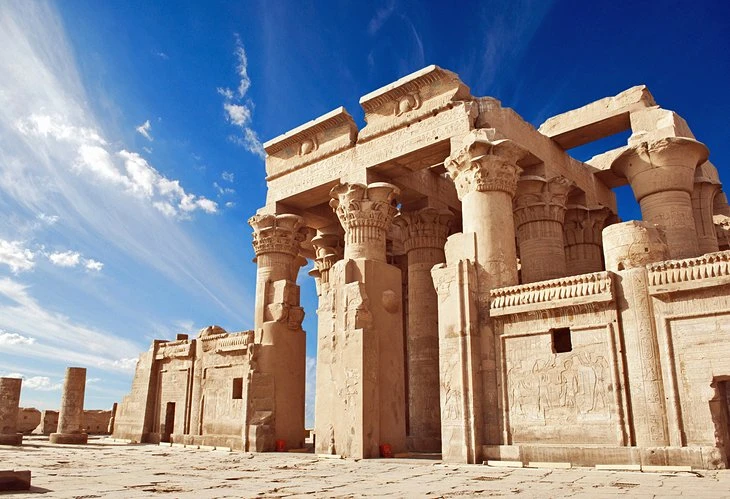
A visit to the Temple of Edfu adds depth to many Nile-based historical routes.
Why Travelers Choose Traviaz for Egypt Historical Tours
The Difference Is in the Way the Trip Feels
A good historical trip is not only about what you see. It is also about how the trip unfolds. Travellers often remember whether the journey felt smooth, whether the pacing made sense, whether they had enough time at key sites, and whether they felt looked after throughout.
This is one reason many travellers choose Traviaz for Egypt historical tours. The company focuses on building journeys that feel well-paced, clear, and rewarding rather than crowded or generic.
Thoughtful Itineraries Matter More in Egypt Than in Many Other Places
Egypt is a destination where route design matters. Distances are real. Attraction density can be intense. Timing affects comfort. Strong planning is not just convenient—it changes the quality of the trip.
Traviaz builds itineraries that make practical sense while still leaving room for enjoyment. That means travellers do not feel like they are racing through history. They feel like they are moving through it properly.
Guides Who Turn Sites into Stories
Another reason Traviaz stands out is the quality of interpretation. Great historical travel depends on more than logistics. It depends on how well travellers are helped to understand what they are seeing.
That is where expert guides matter. A strong guide does not overload the traveller with facts. They create narratives, highlight what matters, and help visitors see why a place is significant.
Support, Comfort, and Confidence All Matter
From airport arrival to domestic transfers and city-to-city movement, Egypt rewards travellers who have strong support behind the scenes. Traviaz helps make the entire journey feel more manageable and more enjoyable through thoughtful coordination and dependable service.
For travellers seeking Egypt historical tours that feel polished, informed, and genuinely memorable, that combination matters enormously.
Conclusion – Egypt Is Best Experienced as a Story, Not a Checklist
Egypt has a way of staying with people. Not only because of what they saw, but also because of how the country made them feel. The silence of tomb corridors, the scale of temple halls, the desert around the pyramids, the movement of the Nile—these moments create a kind of travel memory that lingers.
The strongest Egypt historical tours do not reduce the country to a list of attractions. They give it shape. They turn isolated monuments into a journey with meaning and momentum.
With strong planning, excellent guides, and carefully built itineraries from specialists like Traviaz, travellers can experience Egypt in a way that feels richer, deeper, and more satisfying from beginning to end.
If the goal is not just to visit Egypt, but to truly understand why it continues to captivate the world, then historical touring is one of the best ways to do it.


-webp.webp "Nubian Village Aswan")
-webp.webp "Abu Simbel Day Trip from Aswan")