
Esna Sightseeing Guide 2026 | Temple of Khnum & Top Attractions
Esna may not be as internationally famous as Luxor or Aswan, yet it holds a distinctive place in Upper Egypt’s historical landscape. Located along the Nile River, this quiet town offers a refined and less crowded alternative to Egypt’s larger archaeological hubs. For travellers seeking authenticity, layered history, and meaningful exploration, Esna Sightseeing provides an experience that feels both intimate and culturally rich.
Unlike destinations that overwhelm visitors with monumental scale, Esna offers focus. Here, a single temple can tell centuries of religious evolution, a tomb can reveal personal political narratives, and a geological site can illuminate millions of years of Earth’s history. Whether you are travelling independently or as part of a Nile cruise itinerary, adding Esna to your route transforms a simple transit stop into a rewarding historical discovery.
Because many travellers pass through Esna without fully exploring it, a well-planned Esna sightseeing experience can feel like uncovering one of Upper Egypt’s hidden gems.
Where is Esna, and why visit it?
Location Between Luxor and Aswan
Esna is strategically positioned between Luxor and Aswan, approximately 55 kilometres south of Luxor. Its location along the Nile makes it an important waypoint for river travel, particularly for cruise ships navigating Upper Egypt.
For travellers planning a broader Upper Egypt itinerary, Esna Sightseeing fits naturally into routes connecting Luxor’s monumental temples with Aswan’s Nubian landscapes. Its accessibility makes it an easy addition without requiring significant detours.
Its Role During Nile Cruises
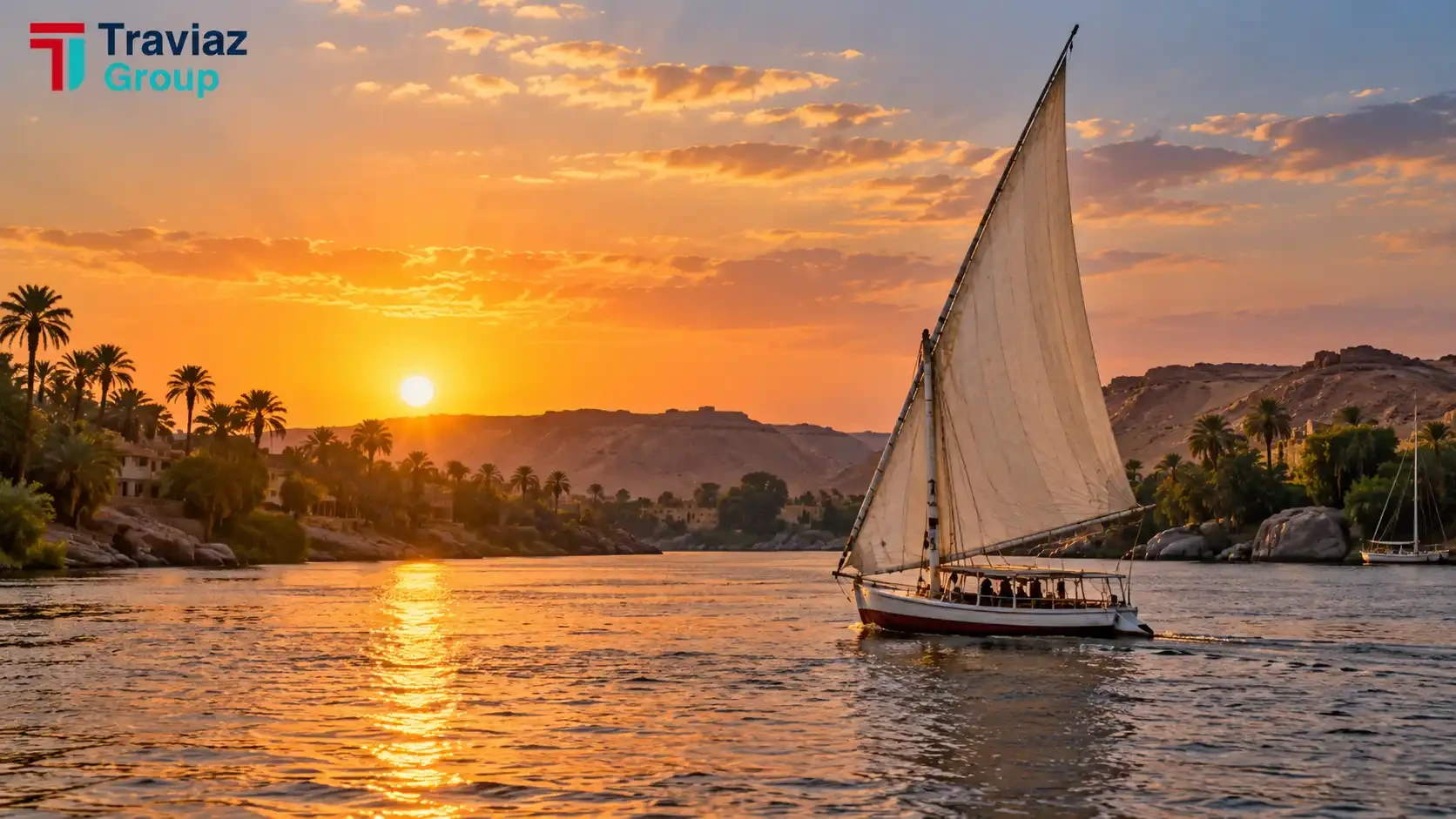
Many Nile cruises stop briefly in Esna, primarily to pass through the Esna Lock, an engineering structure that regulates river traffic. During this stop, some travellers disembark to visit Esna Temple, while others remain on board.
However, Esna Sightseeing deserves more than a short cruise excursion. With proper timing and structured planning, visitors can explore not only the temple but also surrounding heritage sites and local cultural areas that are often overlooked in standard cruise schedules.
Why Esna is Often Overlooked
Esna is frequently overshadowed by the grandeur of Luxor and the scenic appeal of Aswan. Because it lacks large-scale complexes like Karnak or Philae, it is sometimes perceived as a secondary destination.
Yet this perception works in its favour. Fewer crowds mean a more relaxed atmosphere, easier movement between sites, and greater opportunity to absorb details without distraction. For travellers who value quality over quantity, Esna Sightseeing offers a calm and immersive alternative.
Why Esna Sightseeing is Worth Adding to Your Itinerary
Esna combines Pharaonic, Greco-Roman, Ottoman, and geological heritage within a compact area. This diversity makes it ideal for travellers who want historical variety without extended travel time.
Adding Esna Sightseeing to your Egypt itinerary ensures a balanced experience—one that bridges monumental temples, provincial governance history, and natural heritage in a single destination.
Continue your Egypt journey beyond Esna.
Discover the ultimate Cairo Sightseeing Guide 2026 here:
Top Attractions for Esna Sightseeing
Esna Temple (Temple of Khnum)
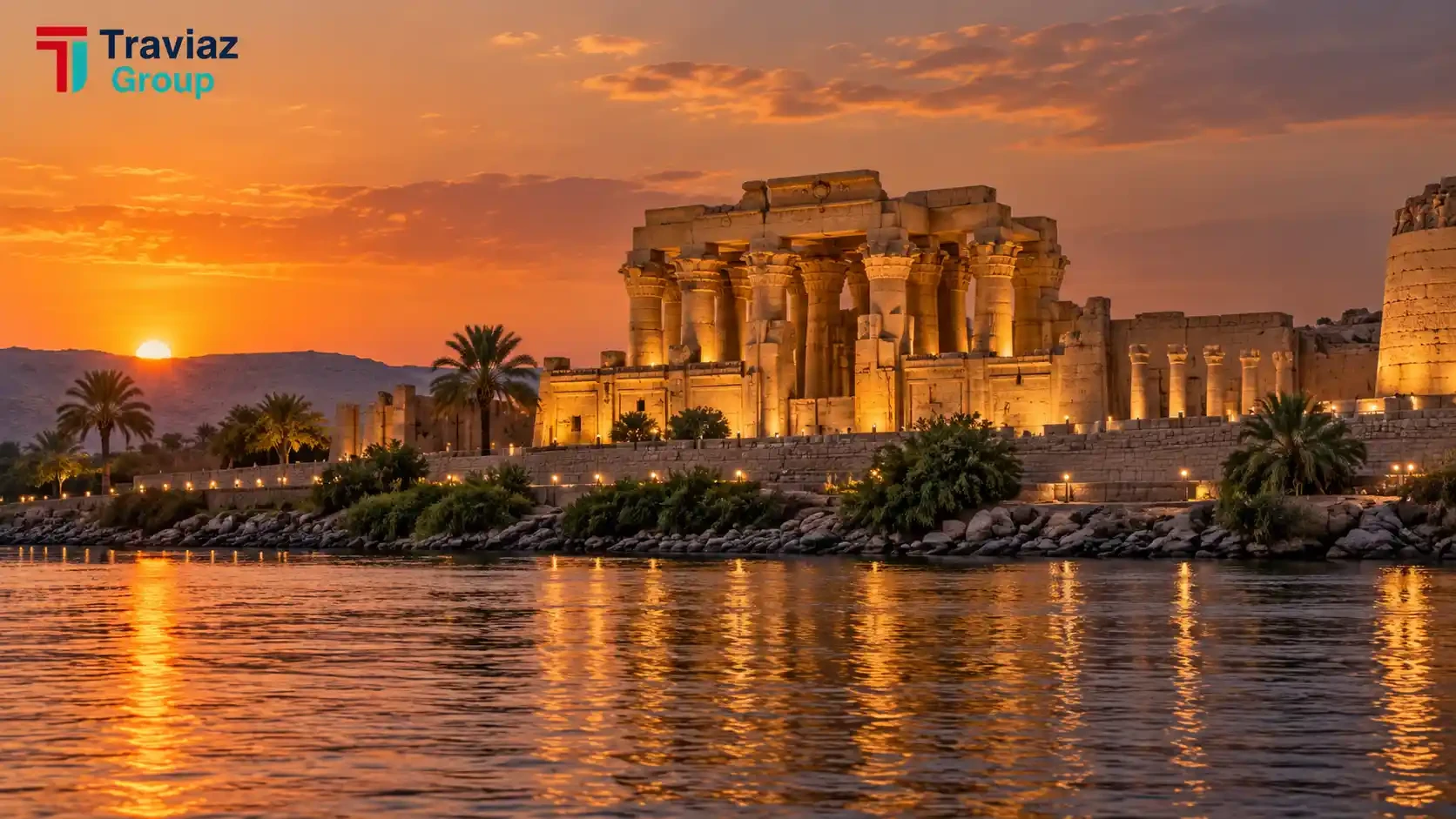
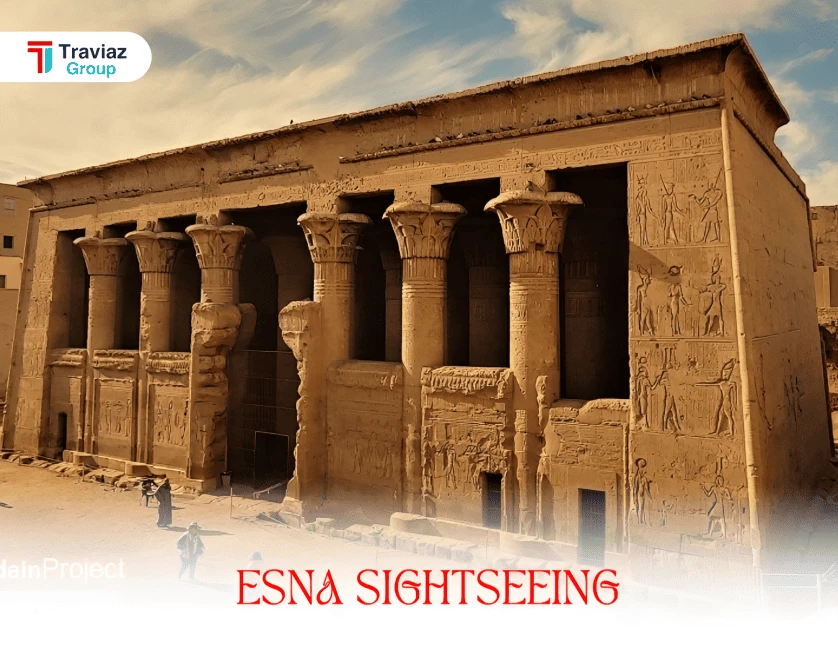
The Temple of Khnum, commonly known as Esna Temple, is the central highlight of any Esna sightseeing experience. Dedicated primarily to Khnum, the ram-headed god associated with creation and the Nile’s annual flood, this temple represents religious continuity during the Ptolemaic and Roman periods.
Historical Background
Although built during the Greco-Roman era, Esna Temple reflects deep-rooted Egyptian religious traditions. Construction began under the Ptolemies and continued under Roman emperors, blending classical architectural influence with traditional Egyptian symbolism.
This continuity makes Esna Temple an important case study for understanding how ancient Egyptian religion adapted without disappearing.
Architectural Highlights
The most impressive surviving section of the temple is the hypostyle hall, supported by elaborately decorated columns. These columns feature astronomical motifs, zodiac symbols, and intricate hieroglyphic inscriptions that provide valuable insight into religious cosmology.
Unlike sprawling temple complexes, Esna Temple’s relatively compact structure allows visitors to explore at a comfortable pace, making it one of the most accessible highlights of Esna sightseeing.
Why It’s the Main Reason Travelers Stop in Esna
For most visitors, Esna Temple is the primary motivation for stopping in the town. Its preservation, artistic detail, and historical importance make it a significant monument despite its smaller scale compared to Luxor’s temples.
It offers a focused experience—ideal for travellers who prefer depth over scale during their Esna sightseeing exploration.
Best Time to Visit
Morning visits are recommended to avoid midday heat and larger cruise groups. Because Esna is less crowded than Luxor, visitors often enjoy a quieter and more reflective experience throughout the day.
Wekalet El-Geddawi
Wekalet El-Geddawi adds a different historical layer to Esna sightseeing by introducing Ottoman-era architecture into the narrative.
Ottoman-Era Caravanserai
This historic caravanserai once functioned as a trading hub for merchants traveling along the Nile. Its architectural features—central courtyard, wooden balconies, and storage rooms—reflect the commercial design typical of Ottoman Egypt.
Commercial History of Esna
During the Ottoman period, Esna was an important agricultural and trade centre. Wekalet El-Geddawi stands as evidence of Esna’s role beyond temple worship, highlighting its economic significance in regional commerce.
Cultural Value Today
Today, the building represents an important preservation effort, showcasing how Esna’s identity extends beyond the Pharaonic era. Including it in an Esna sightseeing itinerary provides a broader historical perspective.
First Intermediate Period Tombs
The First Intermediate Period was a time of political decentralization in ancient Egypt, when regional governors gained significant power. Exploring tombs from this era enriches Esna sightseeing by highlighting a period often overlooked in mainstream tourism.
Why This Period Matters Historically
Unlike the unified Old and New Kingdoms, the First Intermediate Period was marked by regional authority and local leadership. It provides insight into how Egypt functioned during times of fragmentation.
Regional Governors vs Pharaohs
Tombs from this period often emphasize the role of nomarchs—provincial governors—rather than pharaohs. This shift in focus reveals how political power and identity evolved outside the royal court.
Unique Storytelling Inside Tombs
Unlike royal tombs dominated by religious texts, these tombs frequently include autobiographical inscriptions. This personal tone makes them especially compelling for visitors interested in social and political history.
Tomb of Ankh Tefi
Ankh Tefi was a powerful nomarch during the First Intermediate Period. His tomb is notable for inscriptions that describe famine relief efforts, leadership challenges, and regional responsibility.
These texts are historically rare because they offer direct personal narratives rather than standardized religious formulas. For travellers seeking intellectual depth during Esna sightseeing, the Tomb of Ankh Tefi provides unique historical insight.
Debabiya Protectorate
The Debabiya Protectorate introduces a geological dimension to Esna sightseeing that few destinations in Egypt can offer.
Geological Importance
This protected area is internationally recognized for its stratigraphic significance and fossil records. It contributes to global research on ancient marine environments and climate transitions.
Tarawan Limestone Formation
The Tarawan Limestone Formation consists of sedimentary layers that help scientists understand environmental changes millions of years ago. These formations are valuable for both academic research and geological tourism.
Dakhla Formation
The Dakhla Formation contains fossil-rich deposits that document prehistoric ecosystems. Its scientific relevance extends far beyond Egypt.
Why It’s Interesting Beyond Archaeology
While most Esna sightseeing focuses on temples and tombs, Debabiya demonstrates that Upper Egypt’s significance extends into natural history. For travellers interested in science, environment, and landscape evolution, this site adds exceptional depth to the experience.
After discovering Esna Sightseeing, continue your journey at the Grand Egyptian Museum (GEM)
Things to Do in Esna Beyond the Temple
While Esna Temple is the main attraction, Esna sightseeing is not limited to monuments.
Walking Through Old Streets
Strolling through Esna’s traditional streets allows visitors to observe everyday life in Upper Egypt. The relaxed pace contrasts sharply with larger tourist cities.
Local Markets
Small markets offer an authentic shopping experience, often featuring handmade goods, spices, and agricultural products. These markets add a cultural dimension to Esna Sightseeing.
Authentic Upper Egypt Atmosphere
Esna provides a genuine glimpse into regional life. Visitors experience fewer crowds and more interaction with local communities.
Short Cultural Stops
Cultural centres and preserved heritage buildings add variety to the Esna experience, making it suitable for half-day exploration.
How Much Time Do You Need for Esna Sightseeing?
Half-Day vs Full-Day
Most travellers can comfortably explore Esna Temple and selected nearby sites within half a day. However, a full day allows time to include Wekalet El-Geddawi, local exploration, and Debabiya Protectorate.
Is It Worth Staying Overnight?
While many visitors stop briefly, staying overnight offers a quieter and more immersive experience. Evening walks through Esna provide a different perspective than daytime excursions.
Can It Be Done from Luxor?
Yes, Esna Sightseeing can easily be arranged as a day trip from Luxor. Its short distance makes it a convenient extension to a Luxor-based itinerary.
Is Esna Worth Visiting During a Nile Cruise?
For many travellers, the question naturally arises: Is Esna worth visiting during a Nile cruise? The answer depends on how much you want to go beyond surface-level sightseeing.
Typical Cruise Stop Duration
Most Nile cruises stop in Esna primarily to pass through the Esna Lock, an essential navigation point between Luxor and Aswan. The stop itself may last anywhere from one to several hours depending on river traffic.
During this time, some passengers are offered a quick visit to Esna Temple. However, the limited duration often means the experience feels rushed. Without proper planning, Esna sightseeing during a cruise can become a brief photo opportunity rather than a meaningful exploration.
What Most Travelers Miss
Because many cruise itineraries allocate minimal time in Esna, visitors often miss:
- Wekalet El-Geddawi
- First Intermediate Period tombs
- Debabiya Protectorate
- Local markets and authentic town atmosphere
Esna is more than a temple stop. It is a historically layered town with Pharaonic, Greco-Roman, Ottoman, and geological significance. Travellers who remain on board during the lock passage miss the opportunity to explore one of Upper Egypt’s quieter cultural destinations.
How to Make the Most of It
To maximize Esna sightseeing during a Nile cruise:
- Disembark early to avoid peak heat
- Focus first on Esna Temple
- If time allows, explore nearby streets and markets
- Consider pre-arranging a guided visit for historical context
With thoughtful planning, even a short cruise stop can become a memorable cultural experience rather than a transit pause.
Best Time to Visit Esna
Understanding the seasonal rhythm of Upper Egypt is essential when planning Esna sightseeing.
Weather
Esna experiences a desert climate similar to Luxor and Aswan. Summers (May to September) can be extremely hot, with temperatures often exceeding 40°C (104°F). Winter months (October to April) offer more comfortable conditions, making outdoor exploration significantly easier.
The cooler months are ideal for walking tours and temple visits without heat fatigue.
Crowd Level
Compared to Luxor, Esna remains relatively uncrowded year-round. Even during peak winter travel season, visitor numbers remain manageable.
This makes Esna sightseeing particularly appealing for travellers seeking a calm and less commercial atmosphere.
Nile Cruise Season
The main Nile cruise season runs from October through April. During this time, cruise stops in Esna are frequent. If visiting independently outside cruise season, the town becomes even quieter, offering a more immersive experience.
Why Include Esna Sightseeing in Your Upper Egypt Itinerary?
Esna may not dominate travel brochures, but it plays a valuable role in balancing a well-designed Upper Egypt journey.
Less Crowded
Unlike major temple complexes in Luxor, Esna offers space and calm. Visitors can explore monuments at their own pace without navigating large tour groups. For travellers who prioritize quality over quantity, Esna Sightseeing offers breathing room.
Historically Layered
Esna presents multiple historical layers in one destination:
- Pharaonic foundations
- Greco-Roman temple architecture
- First Intermediate Period governance
- Ottoman trade heritage
- Geological formations
This layered identity makes Esna more intellectually diverse than many single-focus destinations.
Balanced Experience Between Luxor & Aswan
Luxor is monumental and dramatic. Aswan is scenic and culturally Nubian. Esna sits between them, offering a transitional experience that connects temple worship, provincial governance, and trade heritage.
Including Esna Sightseeing creates continuity in your Upper Egypt itinerary, rather than simply moving between two major cities.
Plan Your Esna Sightseeing Experience
Planning determines whether Esna becomes a brief stop or a rewarding highlight.
Guided vs Independent Visit
Independent travellers can comfortably explore Esna Temple and surrounding streets. However, without historical explanation, key details may be overlooked.
A guided experience enhances Esna Sightseeing by:
- Explaining religious symbolism
- Contextualizing political history
- Interpreting inscriptions
- Optimizing timing between sites
Logistics
Esna is approximately one hour by car from Luxor. It can be visited as:
- A half-day trip from Luxor
- A stop during a Nile cruise
- Part of a broader Upper Egypt circuit
Transportation is straightforward, but scheduling matters—especially during cruise lock delays.
Combining with Luxor
Many travellers choose to combine Esna with Luxor-based itineraries. This pairing allows visitors to contrast monumental temple complexes with more intimate provincial heritage.
For travellers seeking structured, historically rich routes through Upper Egypt, curated experiences arranged by Traviaz ensure that Esna sightseeing integrates seamlessly with Luxor and Aswan exploration—balancing logistics, comfort, and depth of understanding.
FAQs About Esna Sightseeing
Is Esna worth visiting?
Yes. Esna is worth visiting for travellers who appreciate quieter destinations, detailed temple architecture, and historical depth beyond Egypt’s major tourist centres.
What is Esna famous for?
Esna is most famous for Esna Temple (Temple of Khnum), known for its beautifully decorated hypostyle hall and Greco-Roman inscriptions.
How far is Esna from Luxor?
Esna is approximately 55 kilometres (about 34 miles) south of Luxor and can be reached in around one hour by car.
Can you visit Esna Temple without a guide?
Yes, Esna Temple can be visited independently. However, a guide significantly enhances understanding of the temple’s astronomical and religious symbolism.
How long do you need in Esna?
Most travellers need half a day for core Esna sightseeing highlights. A full day allows for additional exploration of cultural and geological sites.
Conclusion
Esna may not compete with the monumental scale of Luxor or the scenic beauty of Aswan, but it offers something equally valuable—clarity, depth, and authenticity. Through its Greco-Roman temple, First Intermediate Period tombs, Ottoman trade heritage, and geological landmarks, Esna Sightseeing reveals a layered narrative of Upper Egypt that many travelers overlook.
What makes Esna truly special is its balance. It provides historical richness without overwhelming crowds, meaningful exploration without long travel distances, and cultural diversity within a compact setting. Whether visited during a Nile cruise or as a day trip from Luxor, Esna adds dimension to any Upper Egypt itinerary.
For travellers who seek more than checklist tourism, Esna Sightseeing offers insight into how ancient Egypt functioned beyond its grand capitals. It is a destination where religion, governance, trade, and natural history intersect—creating a rewarding experience for curious and thoughtful explorers.
Plan carefully, explore deeply, and allow Esna to become one of the most unexpectedly memorable stops on your journey through Egypt.