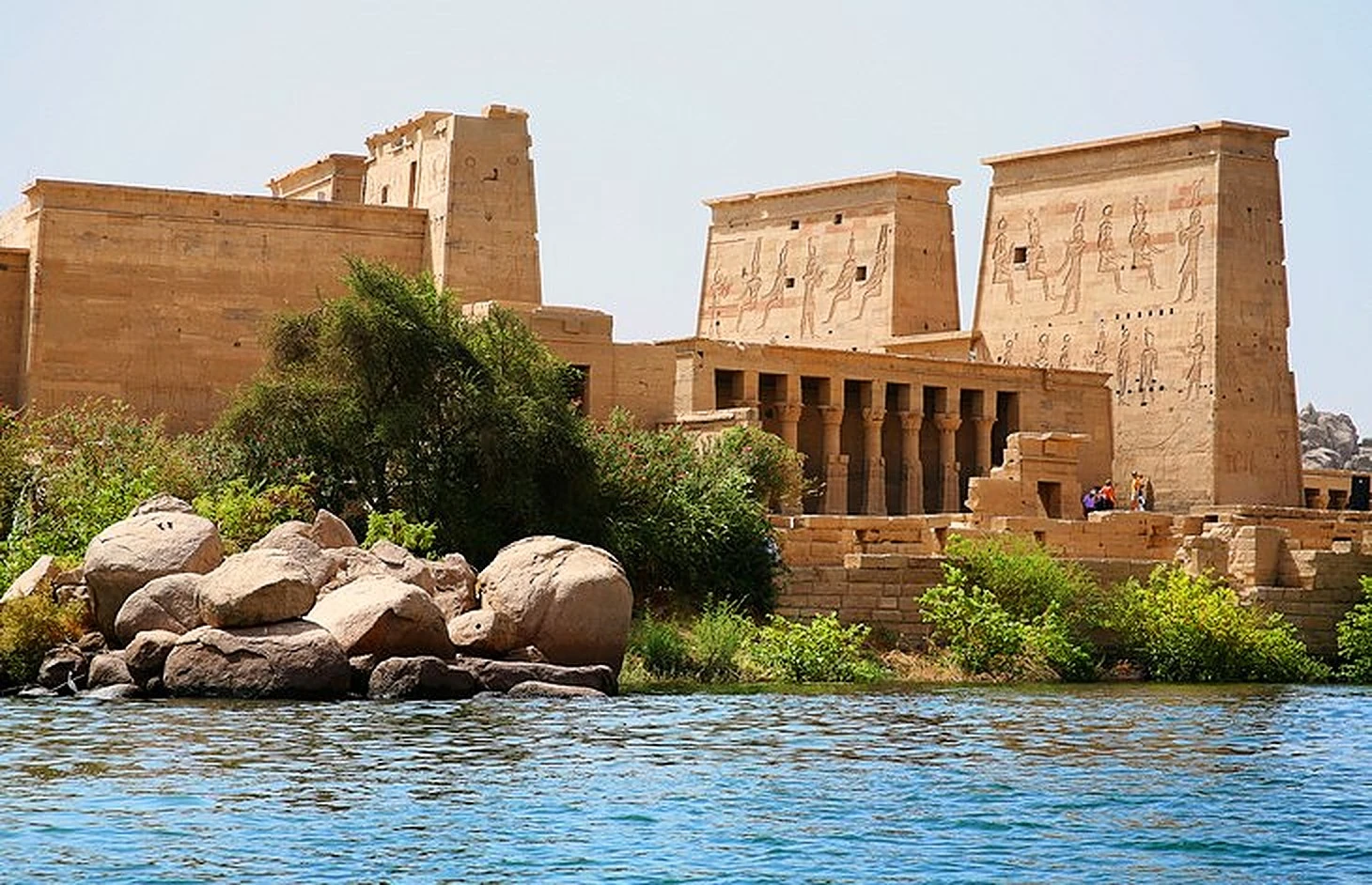

Tomb of Sety I: The Most Beautiful Tomb in the Valley of the Kings
Luxor is often described as the world’s greatest open-air museum, home to some of the most impressive monuments of ancient Egyptian civilization. From the towering temples of Karnak and Luxor to the hidden tombs carved deep into the mountains of the West Bank, the city offers travellers an extraordinary journey through thousands of years of history. Among all the royal tombs discovered in Luxor, one stands out as the most breathtaking and artistically refined—the Tomb of Sety I.
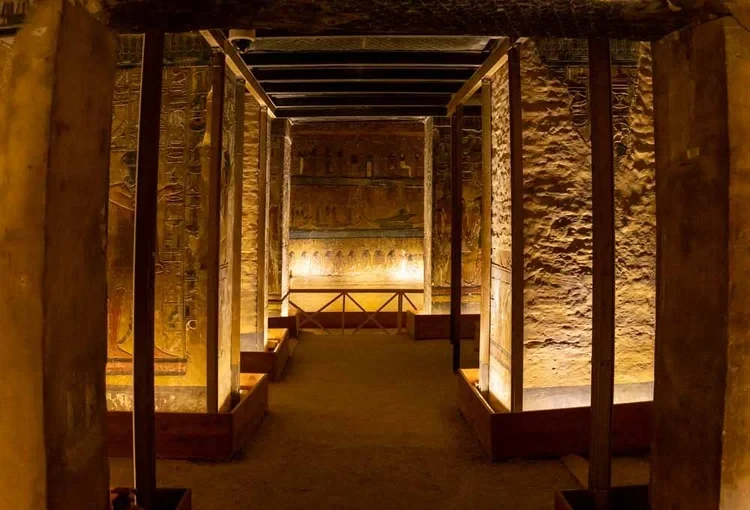
Located in the famous Valley of the Kings, the Tomb of Sety I is widely regarded as the most beautiful tomb ever discovered in ancient Egypt. Its walls are covered with remarkably preserved reliefs and vibrant colors that illustrate religious texts, cosmic beliefs, and funerary rituals from the New Kingdom period. The level of detail and craftsmanship found in this tomb is extraordinary, making it one of the most admired masterpieces of ancient Egyptian art.
The Tomb of Sety I is not only important for its artistic beauty but also for its historical significance. Sety I was one of the most powerful pharaohs of the 19th Dynasty and the father of Ramses II, one of Egypt’s most famous rulers. His tomb reflects the wealth, religious devotion, and artistic achievements of the New Kingdom at its peak.
For travellers visiting Luxor, exploring the Tomb of Sety I offers a unique opportunity to step inside the ancient world and witness the extraordinary skill of Egyptian artists and architects. However, understanding the historical and religious meaning behind these remarkable carvings requires expert guidance.
This is where experienced travel planners such as Traviaz play an important role. By organizing carefully curated Luxor experiences with professional Egyptologist guides, Traviaz helps visitors explore iconic sites like the Tomb of Sety I while gaining deeper insight into ancient Egyptian history. With the right guidance, a visit to the Valley of the Kings becomes far more than sightseeing—it becomes a journey into one of the most fascinating civilizations in human history.
Who Was Pharaoh Sety I?
To understand the significance of the Tomb of Sety I, it is important to know more about the pharaoh who commissioned it.
Sety I ruled Egypt during the 19th Dynasty of the New Kingdom, approximately between 1290 and 1279 BCE. He was the son of Pharaoh Ramses I and the father of the legendary Ramses II, often known as Ramses the Great.
Sety I is remembered as a powerful military leader and an ambitious builder who helped restore Egypt’s strength after the political instability of earlier periods. During his reign, he led successful military campaigns in regions such as Syria and Libya, securing Egypt’s borders and expanding its influence.
In addition to his military achievements, Sety I invested heavily in religious and architectural projects. One of his most famous monuments is the Temple of Abydos, known for its exquisite relief carvings and the famous Abydos King List, which records the names of many Egyptian pharaohs.
The artistic excellence seen in the Tomb of Sety I reflects the prosperity and cultural achievements of Egypt during his reign. His tomb was designed to be one of the most elaborate burial places in the Valley of the Kings, demonstrating the pharaoh’s devotion to the gods and his desire for eternal life.
The Tomb of Sety I is one of the most remarkable highlights included in many Luxor sightseeing itineraries.
Where is the Tomb of Sety I located?
The Tomb of Sety I is located in the Valley of the Kings, one of the most famous archaeological sites in the world.
This valley lies on the West Bank of the Nile in Luxor, directly across from the modern city. During the New Kingdom period, this area served as the royal burial ground for pharaohs and powerful nobles.
The Valley of the Kings contains more than 60 royal tombs, including the famous tomb of Tutankhamun. These tombs were carved deep into the desert mountains to protect them from tomb robbers and to create sacred spaces for the pharaohs’ journeys into the afterlife.
The Tomb of Sety I, also known as KV17, is one of the largest and most elaborate tombs in the Valley. Its long corridors and numerous chambers extend deep into the rock, making it one of the most architecturally complex tombs discovered in Egypt.
Because of its artistic beauty and historical importance, the Tomb of Sety I is considered one of the highlights of the Valley of the Kings for travellers visiting Luxor.
Discovery of the Tomb of Sety I
The Tomb of Sety I was discovered in 1817 by the Italian explorer and archaeologist Giovanni Belzoni.
Belzoni was one of the earliest European explorers to conduct large-scale excavations in Egypt. When he discovered the tomb, he was astonished by its size and the extraordinary condition of its relief carvings.
The tomb extends for more than 100 meters into the mountain, making it one of the longest tombs in the Valley of the Kings. Its corridors lead through multiple chambers decorated with intricate carvings and colorful scenes from ancient Egyptian religious texts.
Belzoni documented the tomb’s artwork in detailed drawings and records, helping scholars around the world learn about this extraordinary discovery.
Even today, the Tomb of Sety I remains one of the most important archaeological discoveries in the Valley of the Kings.
Architecture of the Tomb of Sety I
The architecture of the Tomb of Sety I is remarkable for both its size and its artistic sophistication. Unlike many other tombs in the valley, it contains a large number of chambers and corridors decorated with detailed relief carvings.
Long Corridors and Chambers
The entrance to the Tomb of Sety I leads into a series of long corridors that descend deep into the mountain. Each corridor is decorated with intricate carvings depicting scenes from ancient religious texts.
These passages were designed to guide the pharaoh’s spirit through the underworld during the journey to eternal life.
Burial Chamber
At the heart of the Tomb of Sety I lies the burial chamber where the pharaoh’s sarcophagus was placed.
The chamber is surrounded by beautifully decorated walls illustrating sacred texts and divine figures that were believed to protect the pharaoh in the afterlife.
Astronomical Ceiling
One of the most fascinating features of the Tomb of Sety I is the astronomical ceiling found in some of its chambers.
These ceilings depict stars, constellations, and celestial scenes representing the ancient Egyptian understanding of the universe. The artwork symbolizes the pharaoh’s connection to the heavens and his transformation into a divine being.
The Extraordinary Wall Reliefs
The most impressive feature of the Tomb of Sety I is its extraordinary wall reliefs.
The carvings inside the tomb illustrate several important religious texts, including:
- The Book of the Dead
- The Book of Gates
- The Book of Amduat
These texts describe the pharaoh’s journey through the underworld and the challenges he must overcome to achieve eternal life.
The reliefs are notable for their incredible detail and vivid colors, many of which remain remarkably well preserved after more than three thousand years.
Because of the quality of its artwork, the Tomb of Sety I is often described as the most beautiful tomb in the entire Valley of the Kings.
Travellers exploring Luxor often continue their journey south to visit the impressive Edfu Temple, one of the best-preserved temples in Egypt.
Why the Tomb of Sety I Is the Most Beautiful Tomb in the Valley of the Kings
Several factors make the Tomb of Sety I stand out among the many royal tombs in Luxor.
First, the level of artistic detail is exceptional. The carvings are deeply cut and carefully painted, creating a sense of depth and movement that is rarely seen in other tombs.
Second, the preservation of the colors is remarkable. Even after thousands of years, the vibrant pigments used by ancient Egyptian artists remain visible on the walls.
Finally, the size and complexity of the tomb make it one of the most impressive architectural achievements in the Valley of the Kings.
For many historians and archaeologists, the Tomb of Sety I represents the peak of artistic and religious expression during the New Kingdom.
Visiting the Tomb of Sety I is considered one of the top things to do in Luxor and Aswan for travellers interested in ancient Egyptian history.
Can Visitors Enter the Tomb of Sety I?
Access to the Tomb of Sety I is limited because of its fragile artwork and the need to preserve the site for future generations.
Unlike many other tombs in the Valley of the Kings, the Tomb of Sety I requires a special entrance ticket and is not always open to the public.
When it is accessible, visitor numbers are carefully controlled to prevent damage to the delicate carvings and paintings inside.
Despite these restrictions, the tomb remains one of the most sought-after sites for travellers interested in ancient Egyptian history.
Tips for Visiting the Tomb of Sety I
Travellers planning to visit the Tomb of Sety I should consider a few helpful tips.
- Visit early in the morning to avoid crowds
- Wear comfortable shoes for walking inside the valley
- Respect photography rules inside the tomb
- Consider visiting with an expert guide
Having a knowledgeable guide can significantly enhance the experience by explaining the religious symbolism and historical context behind the tomb’s artwork.
After exploring Luxor and the Tomb of Sety I, many travellers continue south to discover the highlights of Aswan sightseeing along the Nile.
Why Explore the Valley of the Kings with Traviaz
Exploring the Valley of the Kings and the Tomb of Sety I is far more meaningful when guided by experts who understand the history and symbolism behind the ancient carvings.
Traviaz specializes in designing immersive Egypt travel experiences that combine historical exploration with comfortable travel planning. With professional Egyptologist guides and carefully curated itineraries, Traviaz allows visitors to explore Luxor’s most important monuments while gaining deeper insight into ancient Egyptian civilization.
Travelers who visit the Tomb of Sety I with Traviaz benefit from detailed historical explanations, efficient travel logistics, and the opportunity to explore the Valley of the Kings in a way that brings the ancient world to life.
FAQs About the Tomb of Sety I
How old is the Tomb of Sety I?
The Tomb of Sety I was built more than 3,200 years ago during the New Kingdom period.
Why is the Tomb of Sety I famous?
It is considered the most beautifully decorated tomb in the Valley of the Kings because of its detailed carvings and vibrant colors.
Can tourists visit the Tomb of Sety I?
Yes, but access requires a special ticket and may be limited to protect the site.
How long does it take to visit the tomb?
Most visitors spend about 30 to 45 minutes exploring the Tomb of Sety I.
Conclusion
The Tomb of Sety I is one of the most extraordinary archaeological treasures in Egypt and a masterpiece of ancient art and architecture. Hidden within the mountains of the Valley of the Kings, this remarkable tomb reveals the spiritual beliefs, artistic achievements, and engineering skills of one of the most powerful civilizations in history.
From its beautifully carved corridors to its vibrant religious reliefs, the Tomb of Sety I offers travellers an unforgettable glimpse into the world of ancient Egyptian royalty.
With expert guidance and carefully planned itineraries, travel specialists such as Traviaz help visitors explore this incredible monument alongside other treasures of Luxor, transforming a visit to the Valley of the Kings into a truly immersive journey through ancient history.
For anyone fascinated by the mysteries of the pharaohs, the Tomb of Sety I remains one of the most breathtaking sites to explore in Egypt.

-webp.webp "Nubian Village Aswan")
-webp.webp "Abu Simbel Day Trip from Aswan")