From: $1,850 per person based on double occupancy | Duration: 8 Days / 7 Nights | Tour Type: Private Tour | Runs: Every Day
8 days combining four completely different Egyptian experiences within a single trip, from Cairo's ancient monuments to the Mediterranean coast, then the desert and the Siwa Oasis.
Most travelers choose Egypt for the Pyramids, the temples, or the beaches, while this package combines all of these experiences and adds Siwa Oasis, that remote desert refuge where isolated civilizations flourished for thousands of years. This is also where Alexander the Great crossed hundreds of kilometers through the desert to consult the Oracle of Amun in 331 BC.
The trip begins with three days in Cairo covering the Giza Pyramids, Saqqara, Dahshur, and the Grand Egyptian Museum, then moves to Alexandria on the Mediterranean coast, followed by El Alamein with its World War II history. From there the route continues to Siwa Oasis in the Western Desert, 750 kilometers west of Cairo, to discover the desert camp, salt lakes, and Cleopatra's Spring, alongside a 4x4 safari through the golden dunes.
Upon your arrival at Cairo International Airport, your specialist Traviaz Egyptologist guide meets you and assists with arrival procedures and baggage collection, then you transfer by private air-conditioned car to your luxury hotel in Cairo.
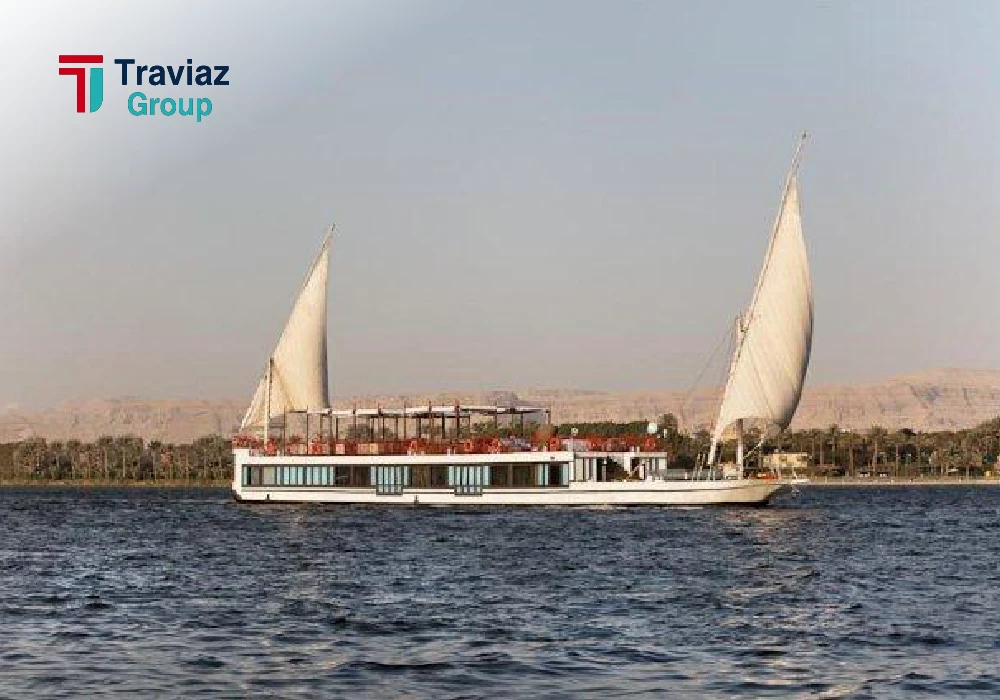
In the evening, a Nile dinner cruise begins aboard one of the elegant riverboats. You sail over the Nile waters as Cairo's lights reflect on both banks, with an open buffet featuring Egyptian and international cuisine and popular folkloric performances reflecting a side of Egyptian heritage.
This tour gives you a different start to your first night in Egypt.
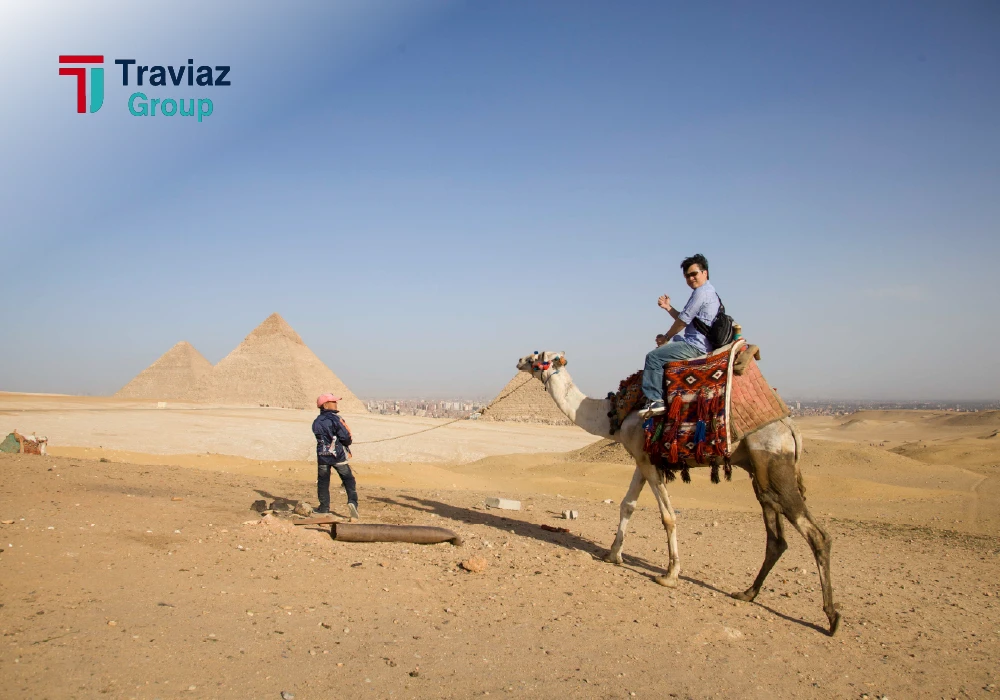
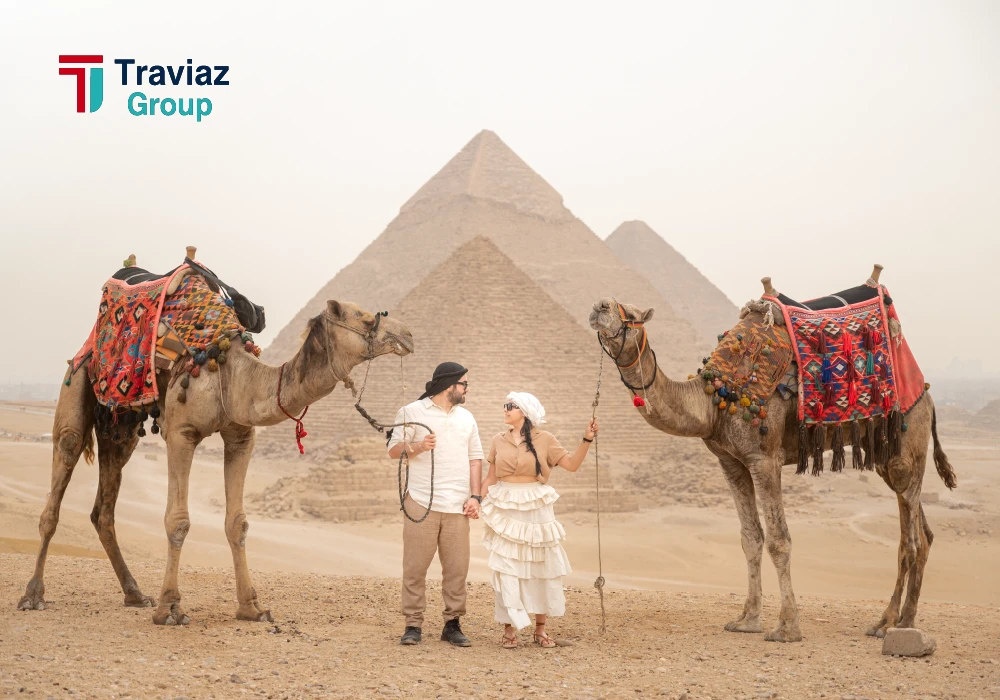
After breakfast, you set off with your Traviaz guide to explore the Giza Plateau and the Grand Egyptian Museum, with a stop at the most prominent landmarks of the ancient funerary complex.
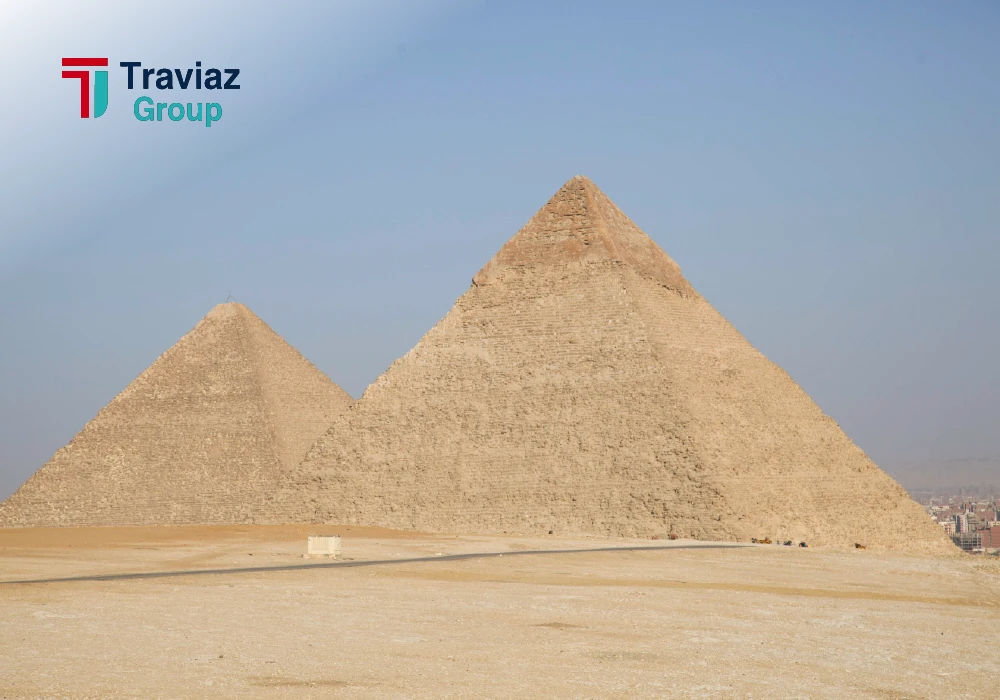
The Giza Plateau represents a royal funerary complex of the Fourth Dynasty, extending over an area exceeding 16,000 hectares.
The Pyramid of Khufu was built between 2580 and 2560 BC using six million tons of limestone and granite, and remained the tallest structure in the world for more than 3,800 years.
The site also holds the distinction of being the only remaining wonder of the ancient Seven Wonders of the World.
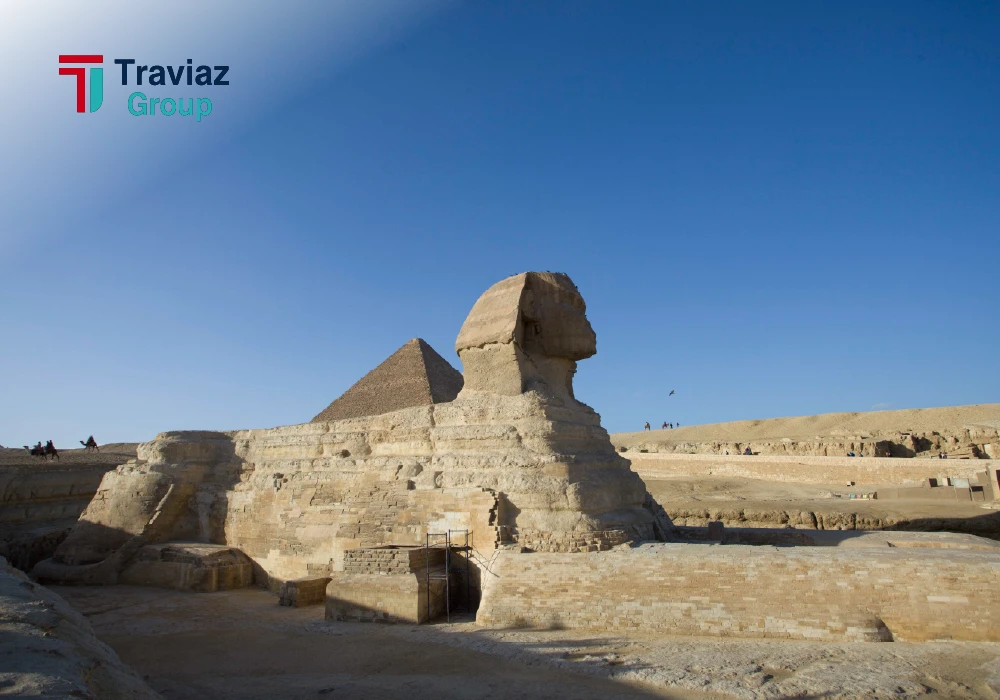
The Sphinx was carved from a single block of limestone and measures 73 meters in length and 20 meters in height. The statue faces directly east toward the rising sun during the spring and autumn equinoxes.
Its construction dates to around 2500 BC, and it is believed to depict the face of Pharaoh Khafre.
The Grand Egyptian Museum, officially opened in November 2025, is located two kilometers from the Giza Plateau and is considered the largest museum in the world dedicated to a single civilization.
It displays the complete Tutankhamun collection of 5,398 artifacts for the first time in a single integrated sequence inside a wing covering 7,500 square meters.
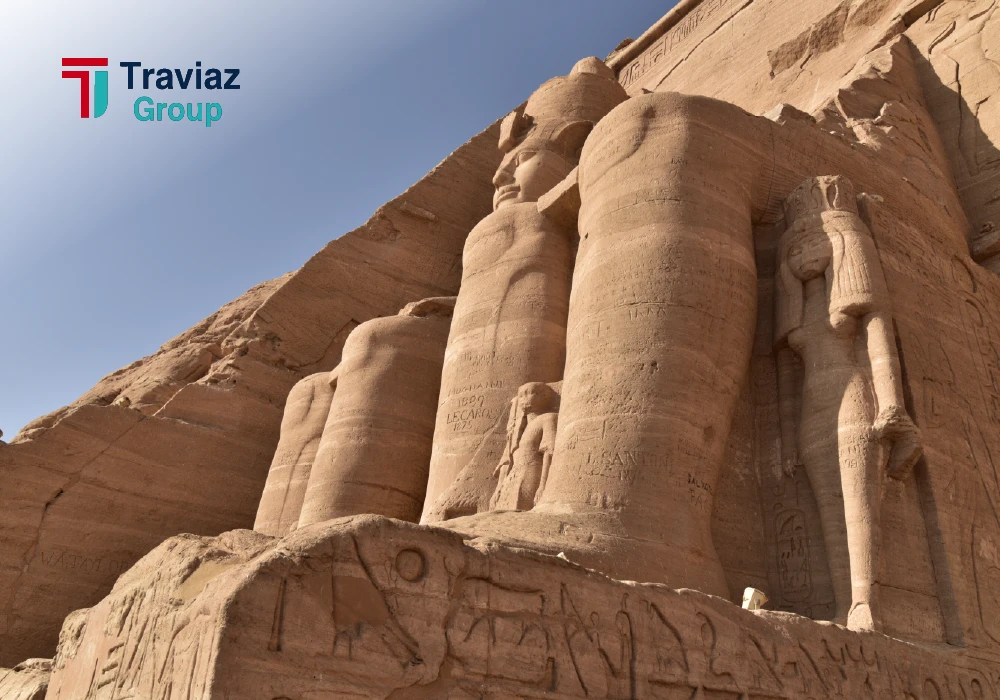
Upon entering the atrium, the statue of Ramesses II weighing 82 tons greets you, while behind it extends the grand staircase lined with 87 massive statues of pharaohs and gods.
The Valley Temple was built using limestone blocks, some exceeding one hundred tons in weight, and is considered one of the oldest preserved stone buildings in the world.
The temple was associated with purification and mummification rituals before the pharaoh's body was transferred to his tomb.
After breakfast, you set off on a day that takes you through the earliest phases of Egyptian funerary architecture's evolution, about a century before the Giza Pyramids appeared.
The Step Pyramid of Pharaoh Djoser was built between 2667 and 2648 BC and is considered the first pyramid in human history and the first massive stone construction in the world.
It was designed by the architect Imhotep, who was later deified as a god of wisdom and medicine. The pyramid consists of six decreasing steps and stands 62 meters tall, and its design represents an essential phase in the evolution of pyramid architecture whose later models appeared in other areas of Egypt.
Memphis was Egypt's first unified capital, founded by King Menes around 3100 BC. Its open-air museum holds the massive limestone statue of Ramesses II exceeding 10 meters in height, alongside the white sphinx carved from a single block of alabaster weighing approximately 80 tons.
The Bent Pyramid at Dahshur was built during the reign of Pharaoh Sneferu of the Fourth Dynasty and is the only pyramid in Egypt that retains part of its original outer casing of white limestone on its two lower sides.
The construction angle changes midway through the pyramid from 54 to 43 degrees, which gave it its distinctive shape and reflected an important phase of engineering experimentation in pyramid design.
The Red Pyramid stands nearby and is the first successful pyramid with completely straight sides in Egypt's history, named after the color of the stone used in its construction.
Visiting both sites gives a complete picture of the phases the pyramid's design went through before reaching the form that appeared at the Giza Pyramids.
After breakfast, you set off by private air-conditioned car to Alexandria in a journey taking about two and a half hours along the North Coast road.
The Catacombs of Kom El Shoqafa lie underground in Alexandria and date to the second century AD.
They extend across three floors and descend to a depth of 35 meters, holding more than 300 tombs whose design combines elements from three cultures: ancient Egyptian decorations, Greek architecture, and Roman sculpture.
The catacombs were discovered by accident in 1900 after a donkey fell into the hidden entrance opening, according to the widely known account of the site's discovery.
The new Bibliotheca Alexandrina opened in 2002 in commemoration of the ancient Library of Alexandria, which was a prominent center of knowledge in the Hellenistic world.
It was designed in the form of a tilted solar disc facing the Mediterranean with a diameter of 160 meters, while letters from 120 human languages are engraved on its exterior wall.
Pompey's Pillar is among the largest freestanding monolithic columns in the ancient world, standing 27 meters tall and carved from a single piece of granite.
It was erected in 297 AD in honor of the Roman Emperor Diocletian and stands amid the ruins of the Serapeum temple.
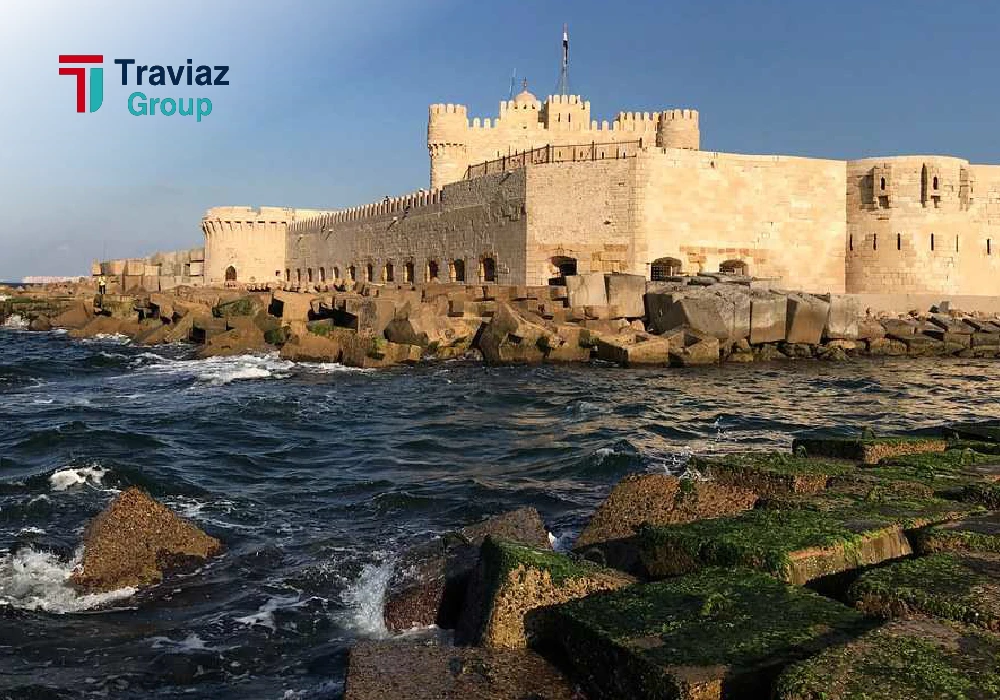
The Citadel of Qaitbay was built in 1477 AD on the site associated with the ancient Lighthouse of Alexandria, one of the Seven Wonders of the Ancient World, and stones from the site were used in its construction.
The citadel's walls provide a direct view over the Mediterranean Sea.
After breakfast, you leave Alexandria heading west toward El Alamein and then continue your journey to Siwa.
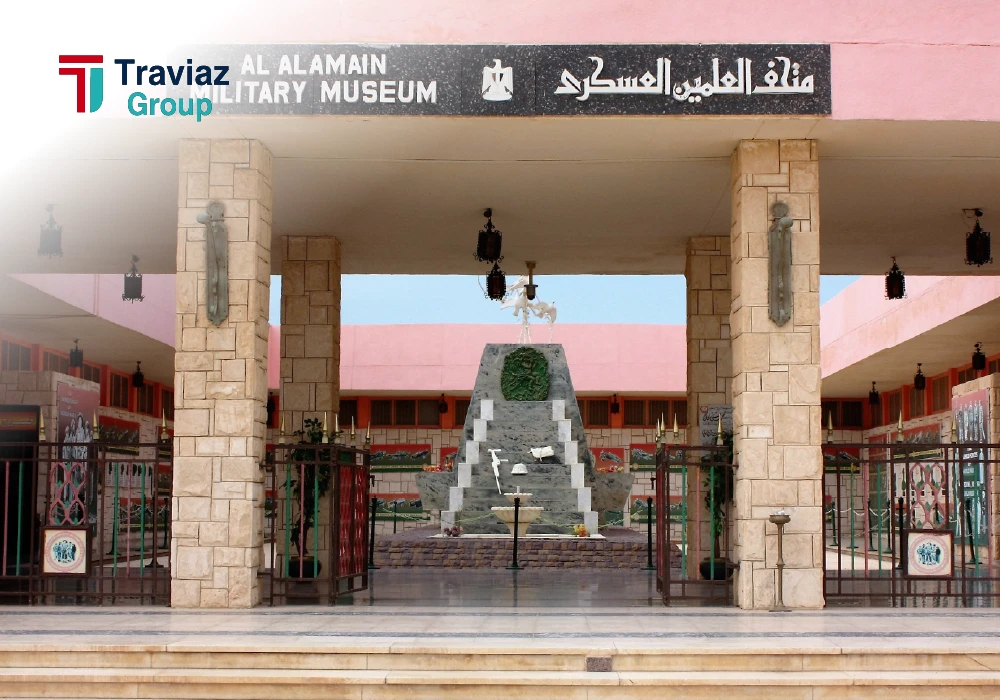
The El Alamein Military Museum preserves a chapter from the history of the Battle of El Alamein in 1942, which was associated with important turning points in the course of World War II in North Africa.
The museum holds military equipment, tanks, weapons, military uniforms, documents, and illustrative materials related to British and German forces and the military operations in the area.
After visiting El Alamein, you continue westward toward Siwa in a journey taking about ten hours through the Western Desert. Siwa appears as a green oasis amid the desert expanse, surrounded by palm trees, springs, and salt lakes.
Shali Fortress sits in the heart of Siwa and was built in the thirteenth century AD using local materials known as kershef, a mixture relying on dry rock salt, mud, and stones.
This approach helped build dwellings capable of coping with the oasis's desert conditions. The fortress's narrow and intertwining alleys give a glimpse into the local architecture and historic life in Siwa.
After breakfast, you begin a full day discovering the historical and natural landmarks that distinguish the Siwa Oasis.
The Temple of the Oracle is located in the village of Aghurmi, 4 kilometers from the city of Siwa, atop a rocky hill overlooking the oasis.
The temple dates to the Twenty-sixth Dynasty, between 664 and 525 BC, and was associated with the Oracle of Amun, which had a presence in the ancient world.
In February 331 BC, Alexander the Great arrived at the site after a journey through the desert to consult the Oracle.
The visit was associated with the priest's declaration that Alexander was the son of Amun, a historical tradition linked to granting him religious legitimacy as ruler of Egypt. The temple's ruins still stand atop the hill and provide a wide view over the oasis.
The salt lakes of Siwa formed as a result of the oasis's geological characteristics, where spring water collects and salts accumulate as the water evaporates.
The high salt concentration increases the body's ability to float on the water's surface, while the lakes are surrounded by sand dunes and palm trees in a scene that combines water and desert.
Cleopatra's Spring is a natural freshwater spring that flows from the depths of the desert and forms a circular pool surrounded by palm trees.
The site represents a rest and relaxation stop in the middle of the day's program, with cool and refreshing water in the oasis environment.
The desert safari takes you in four-wheel drive vehicles through the dunes surrounding Siwa, where the sand's terrain changes as the route extends into the desert.
Driving between the dunes gives a different experience from the archaeological site tours, while the sand's colors shift with the approaching sunset from shades of gold to orange to red.
After breakfast, the overland return journey to Cairo begins by private air-conditioned car, taking about nine hours through the Western Desert.
The scene changes gradually from the green Siwa Oasis to the desert expanse and then the outskirts of Cairo, before arriving at the hotel to rest in preparation for departure.
After breakfast, a Traviaz representative arrives in a private air-conditioned car to transfer you to Cairo International Airport, with assistance through departure procedures.
Meals: Breakfast

Our most comprehensive sightseeing package. Cairo, Alexandria, and a complete Nile cruise between Luxor and Aswan with a private Egyptologist guide throughout the trip. For those who want to see all of Egypt.
Three faces of Egypt in five days: Hurghada with its beaches and safaris, Cairo with its Pyramids, and Luxor with its temples. History, adventure, and relaxation in a single package.
Most visitors to Egypt pass through Cairo, but only a few give it enough time to discover its different layers.