
Ancient Egyptian Inventions: 11 Amazing Discoveries & Where to Experience Them Today
Standing inside Karnak Temple or walking through the Grand Egyptian Museum, a Traviaz Egyptologist sees something most visitors miss: the direct line between what the ancient Egyptians built, wrote, and discovered and the world we live in today. The calendar on your phone, the lock on your door, and the toothpaste on your shelf all trace back to solutions the ancient Egyptians invented more than three thousand years ago.
This guide covers eleven of those inventions, the evidence that survives, and exactly where to find it in person across Egypt's museums and archaeological sites.
Why Were Ancient Egyptian Inventions So Advanced?
Several pressures converged simultaneously to push Egyptian innovation forward. The Nile demanded precise understanding of its timing, agricultural management required mathematics and surveying, the centralized state needed record-keeping, and constructing temples and pyramids required engineering that had never been attempted before.
None of these challenges existed in isolation. The pyramids could not have been built without the mathematics, the engineering, and the administrative systems that writing made possible. Each invention fed the next, creating a civilization where innovation was not occasional but structural.
What Are the Top 11 Most Famous Ancient Egyptian Inventions?
From the first writing material to the origins of modern law enforcement, these are the discoveries that shaped human history:
1. Papyrus, Writing, and Ink
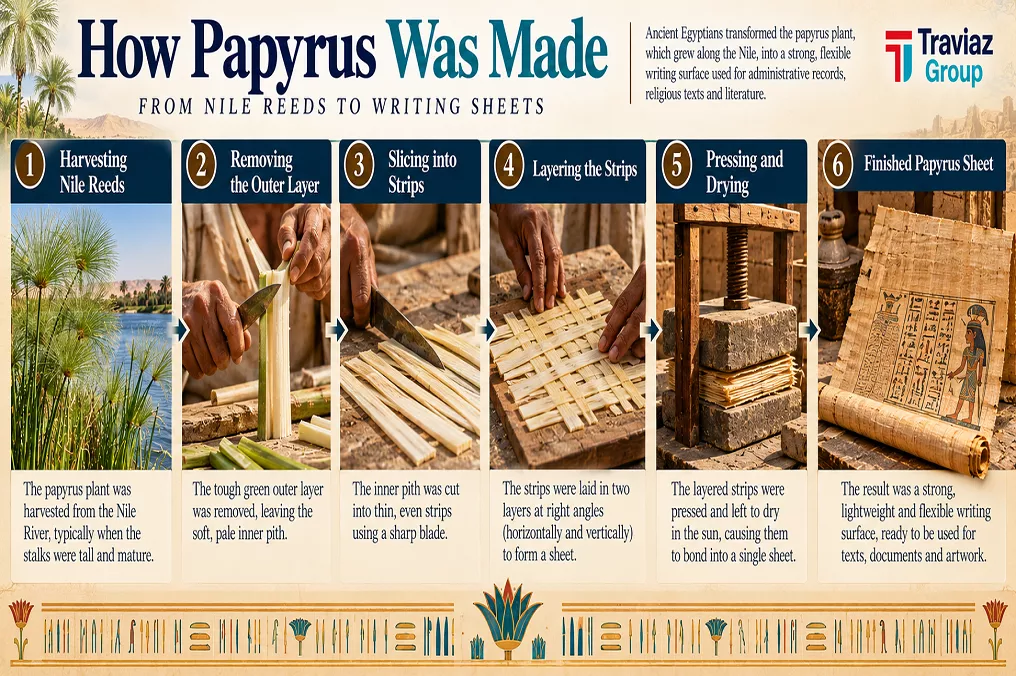
The world's first paper-like writing material came from the papyrus plant growing along the Nile. Stalks were cut into thin strips, soaked, pressed in crosshatched layers, and dried into a surface that held ink. For more than three thousand years papyrus remained the dominant writing material in the ancient world, exported across the Mediterranean and used in Europe until the seventh century AD.
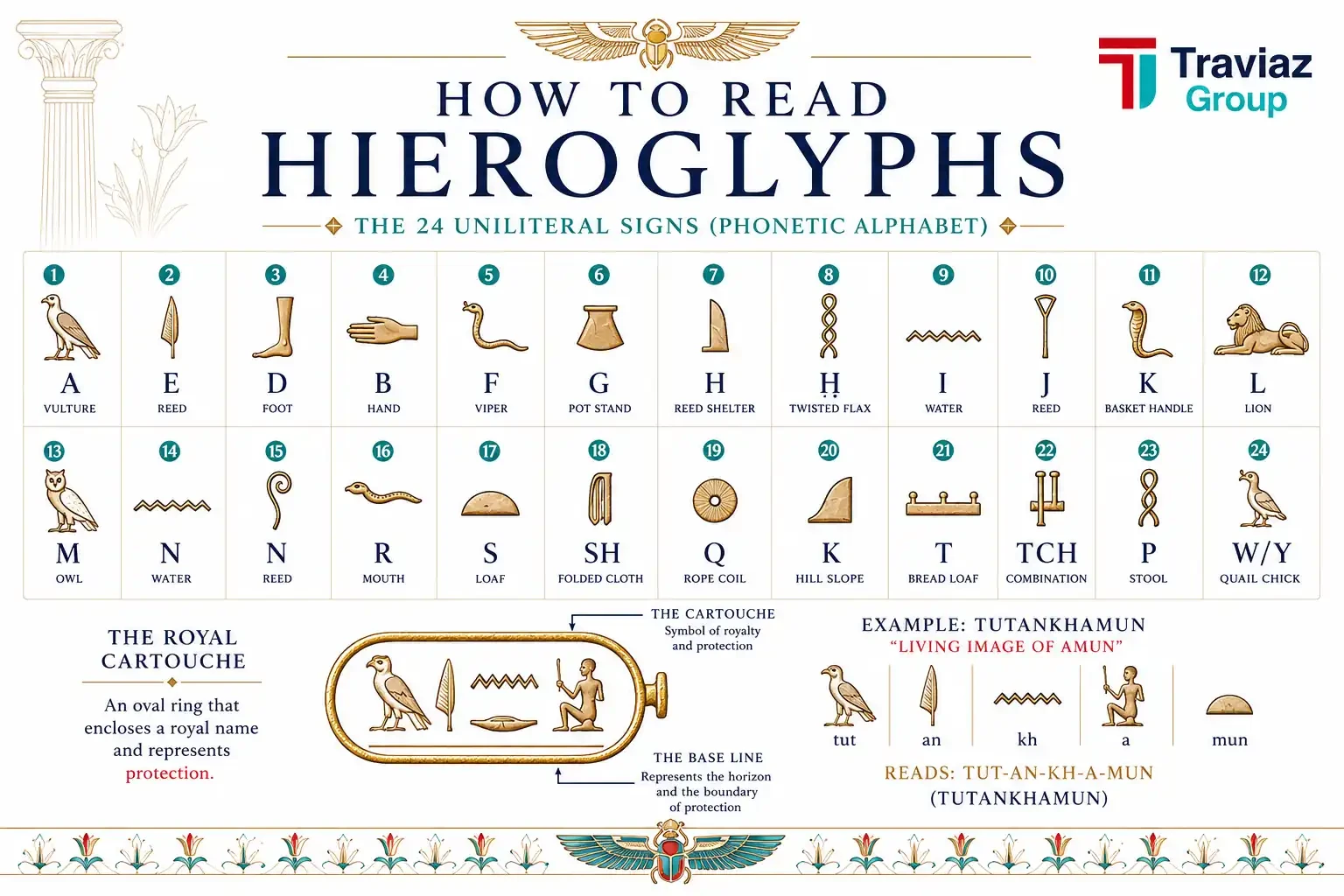
Black ink came from soot, plant gum, and beeswax, with colored variants made from ochre and other minerals. The hieroglyphic writing system combined alphabetic symbols, syllabic signs, and pictographic images, while the faster hieratic script handled daily administration. Original papyri are on display at the Grand Egyptian Museum in Giza.
2- Hieroglyphics and Record Keeping
Hieroglyphics were not decoration. The system combined three distinct elements: pictographic signs that represented objects directly, phonetic signs that represented sounds, and determinatives that clarified meaning. Royal scribes trained for years to master it, and their role gave them a status in Egyptian society second only to the priests and the pharaoh's inner circle.
Two scripts ran alongside hieroglyphics in daily use. Hieratic was a faster cursive form used for administrative records, personal letters, and medical texts. Demotic appeared later as an even more simplified version for everyday transactions. Together, the three scripts gave ancient Egypt the most comprehensive record-keeping system of any civilization of its era, and the walls of every major temple in Luxor and Aswan still carry that writing in its original form.
3. The Calendar and Timekeeping
Twelve months of thirty days each, five additional days dedicated to the gods' festivals, and a total of 365 days in the year, the anchor was the star Sirius, whose annual reappearance coincided with the Nile flood. The only flaw was the fractional extra day, corrected only when Ptolemy III added the leap year centuries later.
Timekeeping extended beyond the calendar. Massive obelisks served as sundials, their shadows measuring the hours and marking the solstices. Water clocks, stone vessels with a small hole through which water dripped at a fixed rate, allowed priests at Karnak to time their nighttime rituals precisely. The oldest known sundial was found in the Valley of the Kings and dates to around 1500 BC.
4. Medicine, Surgery, and Public Health
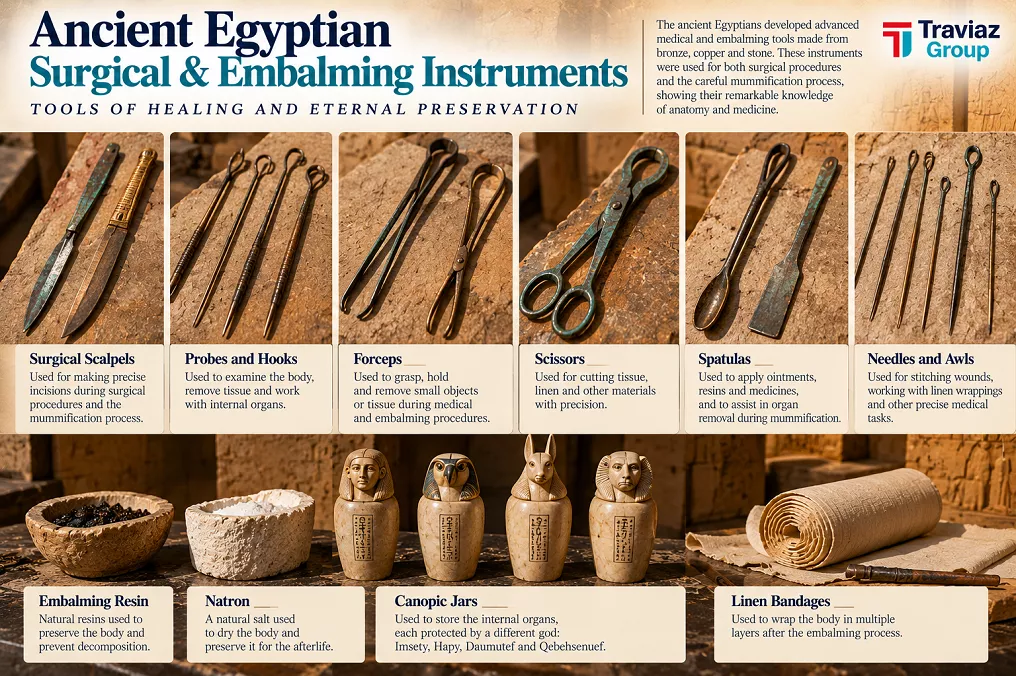
The Edwin Smith Papyrus describes 48 surgical cases involving injuries to the head, neck, shoulders, and chest, complete with instructions for suturing wounds and a full inventory of tools including scalpels, scissors, copper needles, forceps, and probes. It is the oldest known document to study the human brain, and the original instruments it describes are held in the Egyptian Museum in Cairo.
As early as 2200 BC, specialized medical centers attached to temples were established. By around 1500 BC the workers' village at Deir el-Medina had become home to the oldest documented public health system in history, where sick workers continued to receive their wages during illness, the earliest recorded paid sick leave. Their mummification practices were so thorough that modern scientists can identify the exact diseases ancient Egyptians suffered from, including arthritis, tuberculosis, gout, and schistosomiasis.
5. Architecture and Pyramid Construction
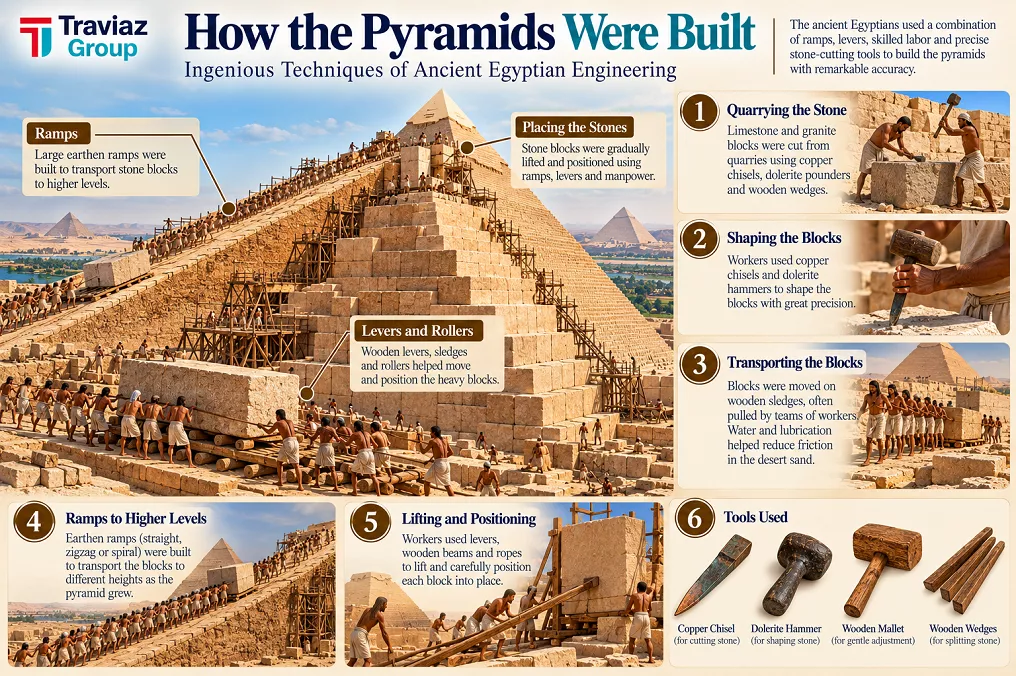
The Step Pyramid of Djoser, built between 2667 and 2648 BC, was the first large-scale stone structure in all of known history. The techniques developed to make it possible, quarrying stone, transporting massive blocks, leveling surfaces, and coordinating thousands of workers, became the engineering foundation for everything that followed.
The astronomical precision of the Giza pyramids continues to astonish researchers today. Originally standing 481 feet tall, taller than the Statue of Liberty and Big Ben combined, the Great Pyramid was built with a mathematical sophistication that Greek civilization later inherited and built upon. Standing on the Giza Plateau, it is impossible not to feel the weight of that legacy directly.
6. Irrigation and Agricultural Tools
A network of canals and storage basins distributed floodwater to distant fields, making agriculture possible across a desert landscape. The shaduf, a hand-operated lever balanced between a counterweight and a bucket, lifted water to higher ground and remains in modified use in some countries today.
By around 2000 BC the ox-drawn plow had been refined with a harness system that protected the animal and improved efficiency. Sickles harvested wheat and barley, pigs and sheep trod seeds into the soil, and the entire agricultural system was designed around the Nile's annual behavior rather than fighting it.
7. Cosmetics, Wigs, and the Barbering Profession
Eye makeup in ancient Egypt dates to 4000 BC. Black kohl was produced from soot and galena, green kohl from galena and malachite, and both men and women wore it believing it treated eye diseases and warded off the evil eye. Cheek color came from colored clay, nail dye from henna, perfume from plants and flowers, and deodorant from incense.
Wigs reflected social standing. Cheap versions used plant fibers while royal wigs required natural human hair exclusively. Shaving tools evolved from stone blades set in wooden handles to copper razors, and with them came the barbering profession: private visits to aristocratic homes, and open-air service for ordinary Egyptians. Original cosmetic implements are on display at the Grand Egyptian Museum.
8. Toothpaste and Breath Mints
Sand particles in ancient Egyptian bread wore down tooth enamel and exposed the pulp to infection. The practical response was a cleaning powder made from ground ox hooves, ash, burnt eggshell, and pumice. By the fourth century AD a more refined formula appeared combining rock salt, mint, dried flower petals, and pepper.
Dentists who tested a reconstructed version at a Vienna conference in 2003 reported genuinely fresh mouths, though minor gum bleeding occurred. Breath mints followed the same logic: small pellets of boiled honey with cinnamon, myrrh, and frankincense, shaped into beads, the oldest known mouth-freshening product in history.
9. Ships and Nile Navigation
Wood was scarce and expensive in ancient Egypt, which made shipbuilding a highly refined craft. Egyptian vessels served every purpose from fishing and cargo transport to military use and royal journeys, and without them neither the massive granite blocks from Aswan's quarries nor the trade goods from neighboring peoples could have moved.
The Nile was not simply Egypt's water supply but its primary highway, and mastering navigation on it was inseparable from every other achievement on this list. The engineering that built the pyramids depended entirely on the logistical system that the river made possible.
10. Police and Law Enforcement
Around 2500 BC the ancient Egyptians established the first organized police force in history, initially to protect trade along the Nile. By 1500 BC a specialized unit known as the Medjay had developed, named after a Nubian people recruited for the role, though the term eventually became synonymous with police generally.
Armed with staffs and trained dogs, and occasionally using baboons to assist in apprehending criminals, they enforced a graduated system of punishments from property confiscation to physical mutilation. The most feared penalty was denial of proper burial, in Egyptian belief, the permanent loss of the afterlife, a fate considered worse than death itself.
11. Brewing and Beer
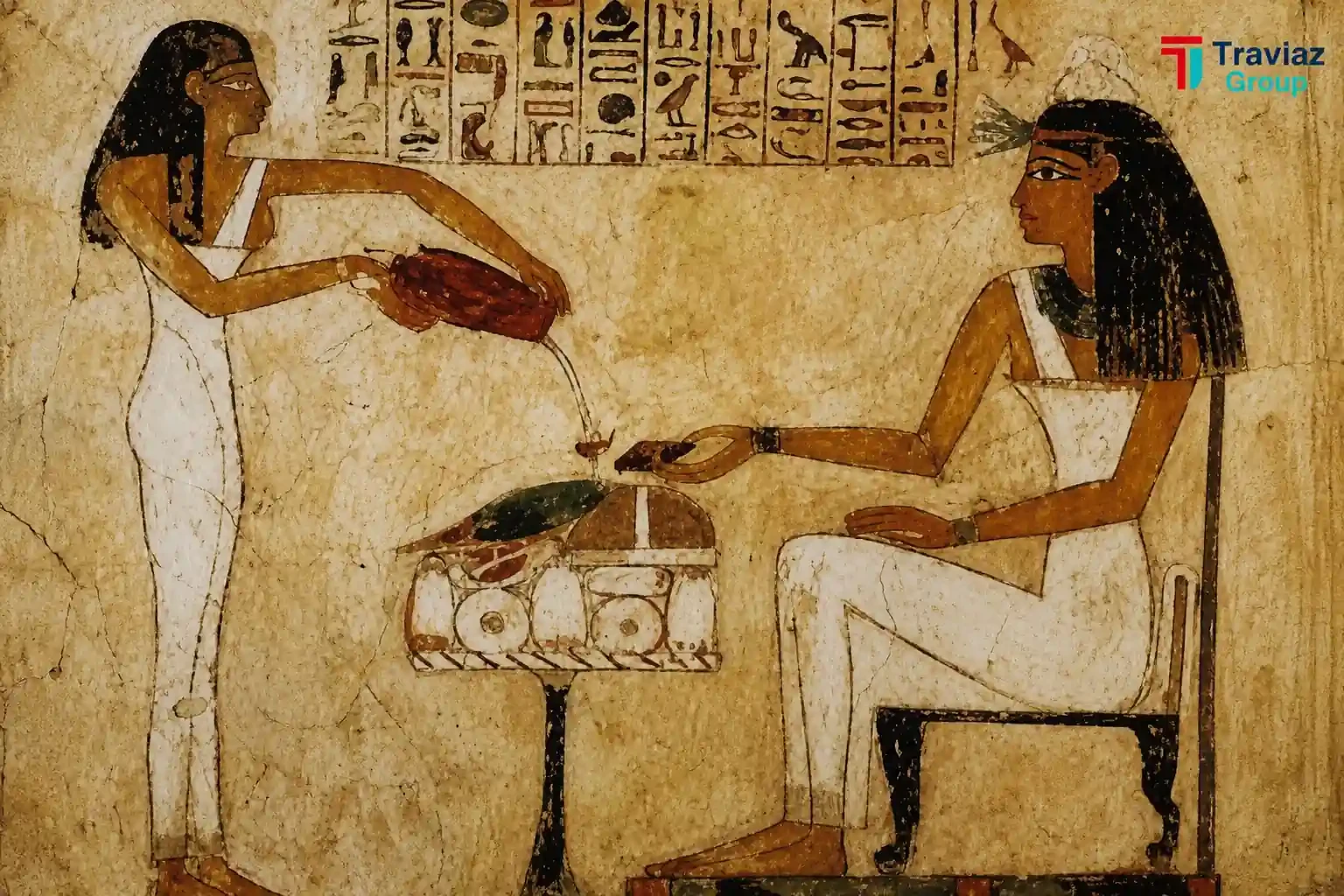
Beer, known in ancient Egyptian as henqet, dates back to at least 3100 BC and was discovered at archaeological sites including Abydos and Hierakonpolis. It was not a luxury but a dietary staple consumed by workers, children, priests, and pharaohs alike. Workers building the pyramids received beer as part of their daily rations alongside bread and onions.
The brewing process began with barley or emmer wheat soaked in water until germination, which converted the grain's starches into fermentable sugars. The grain was then dried, ground into coarse flour, mixed with water, and sometimes baked into partially cooked bread loaves that were crumbled back into water to begin fermentation.
Wild yeast from the air and from previously used equipment drove the process. The result was thick, brothy, low in alcohol, and consumed fresh, closer to liquid bread than modern beer. Dates, honey, and spices were sometimes added depending on the occasion and social class of the drinker. The largest ancient brewery ever found was excavated at Abydos, showing industrial-scale production designed to supply temple ceremonies and royal courts simultaneously.
How Did Ancient Egyptian Technology and Engineering Influence the Modern World?
The clearest measure of how advanced ancient Egyptian technology was is how much of it we never replaced. The solar calendar they developed around the Nile flood cycle became the Roman calendar and then the Gregorian calendar used today. The pin-tumbler lock principle they invented in the second millennium BC is the direct ancestor of every cylinder lock manufactured today. The toothpaste formula they refined by the fourth century AD, rock salt, mint, dried flower petals, and pepper, was tested by dentists in Vienna in 2003 and produced genuinely fresh mouths.
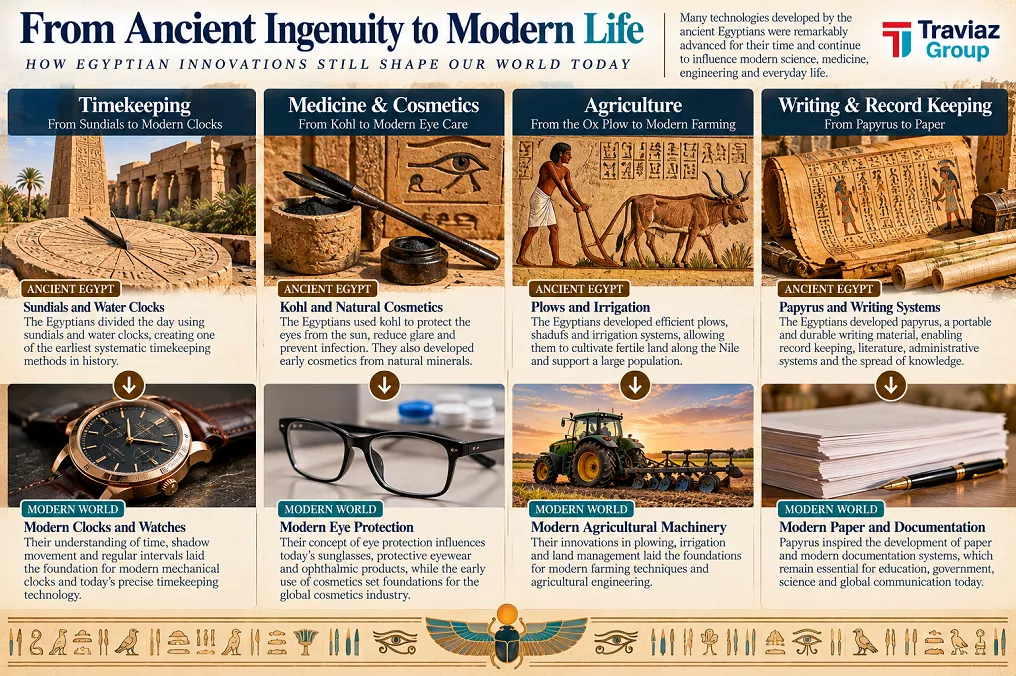
In medicine, Edwin Smith Papyrus introduced the concept of clinical observation and diagnosis by symptom rather than by spiritual cause alone, a principle that became the foundation of modern evidence-based medicine. In mathematics, the Rhind Mathematical Papyrus documented calculation methods that Greek mathematicians later built their geometry upon. In engineering, the surveying and leveling techniques developed to build the pyramids established the principles that Roman and later European builders inherited directly.
The bridge between then and now is not metaphorical. You use their inventions every day. The question is whether you have ever stood in the place where they were born.
Where Can You See Ancient Egyptian Artifacts in Person Today?
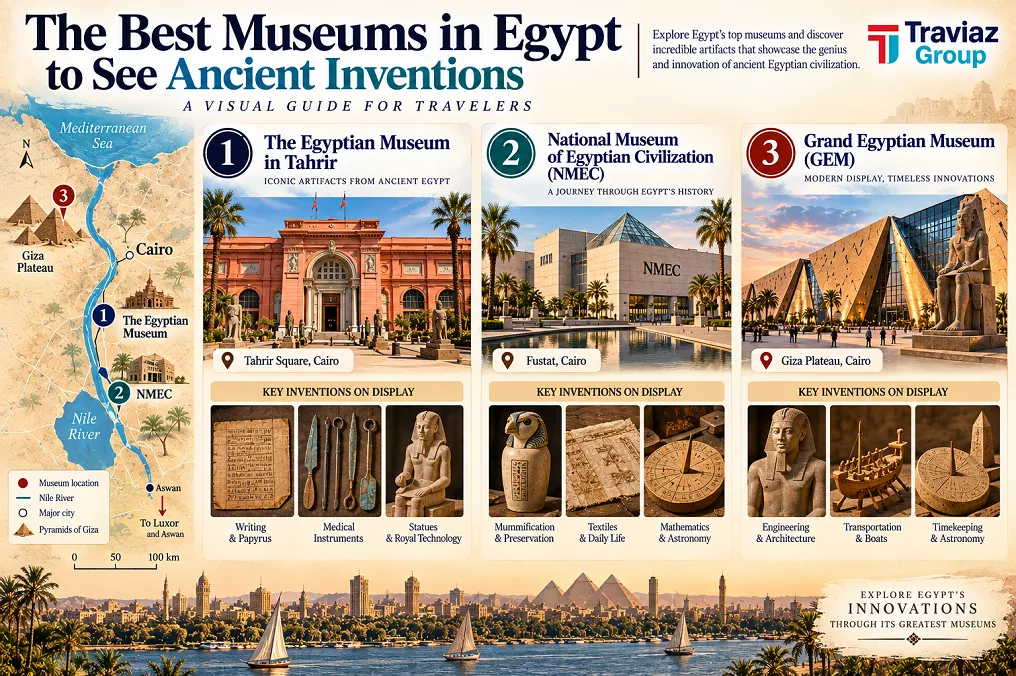
Egypt holds three museum destinations and several archaeological sites where the inventions covered in this guide survive in their original form.
The Best Museums in Egypt to See Ancient Inventions
The Egyptian Museum in Tahrir Square holds original surgical instruments, cosmetic implements, agricultural tools, and papyri. The Grand Egyptian Museum in Giza, which fully opened in November 2025, is the largest archaeological museum ever built and covers all major invention categories across 15 chronological galleries. The National Museum of Egyptian Civilization in Fustat holds the most complete collection of royal mummies in climate-controlled environments in Egypt.
Top Places and Temple Complexes to See Ancient Technology Firsthand
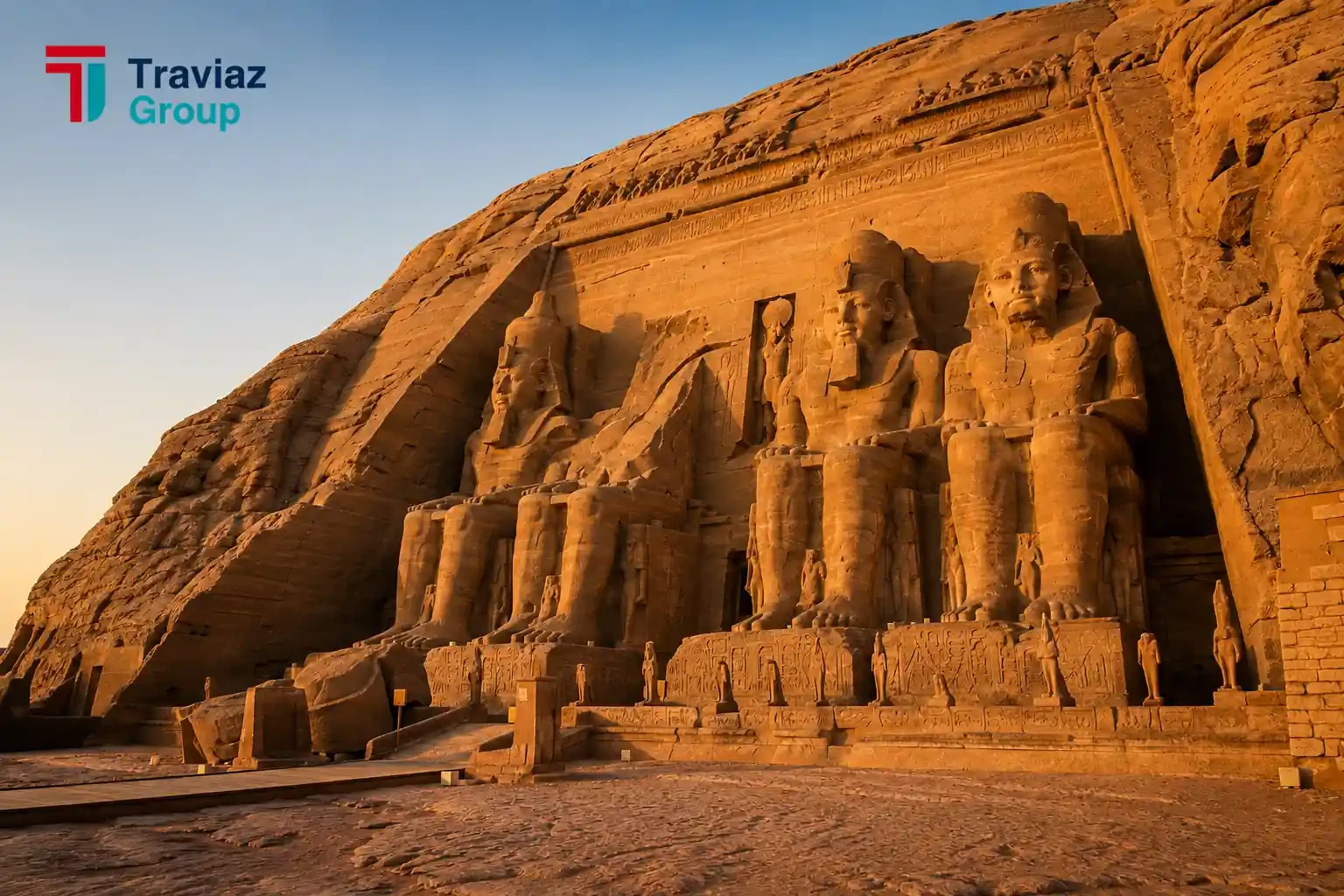
Karnak Temple in Luxor is the most direct surviving example of ancient Egyptian engineering at scale. The Valley of the Kings holds 62 royal tombs cut into limestone cliffs, each a demonstration of the quarrying and construction techniques ancient craftsmen refined over centuries. The Giza Plateau remains the greatest single expression of ancient Egyptian architectural genius, and no description of it prepares you for the scale of the Great Pyramid when you are standing at its base.
Planning Your Visit: The Grand Egyptian Museum
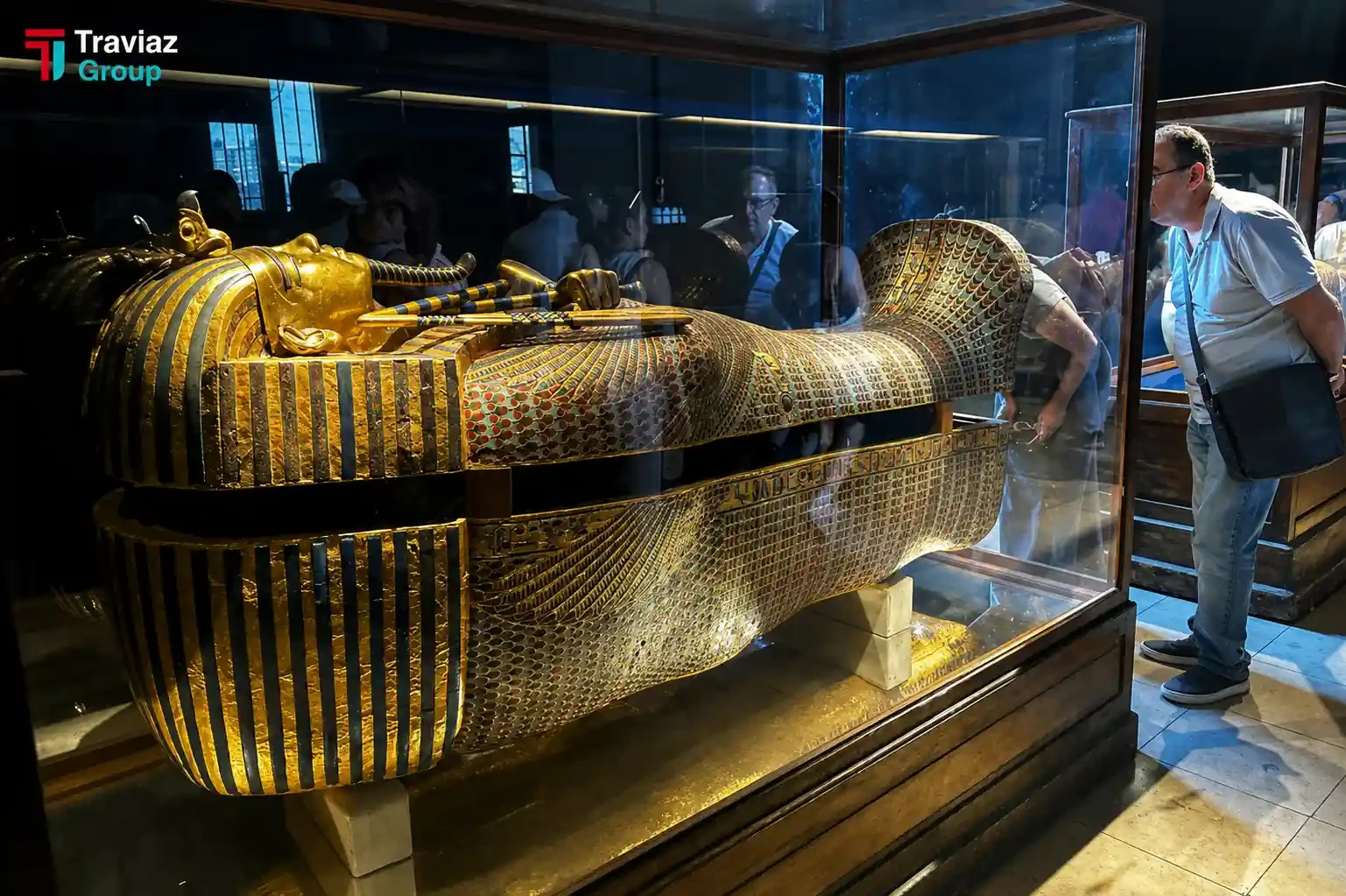
The Grand Egyptian Museum fully opened to the public in November 2025, completing its transition from a partial pilot launch in October 2024. The museum houses over 100,000 artifacts spanning ancient Egypt's five thousand years of history, organized across 15 galleries arranged chronologically and divided into three themed sections: Society, Royalty, and Beliefs. The complete Tutankhamun collection and King Khufu's Solar Boat, relocated from beside the Great Pyramid, are both now on display.
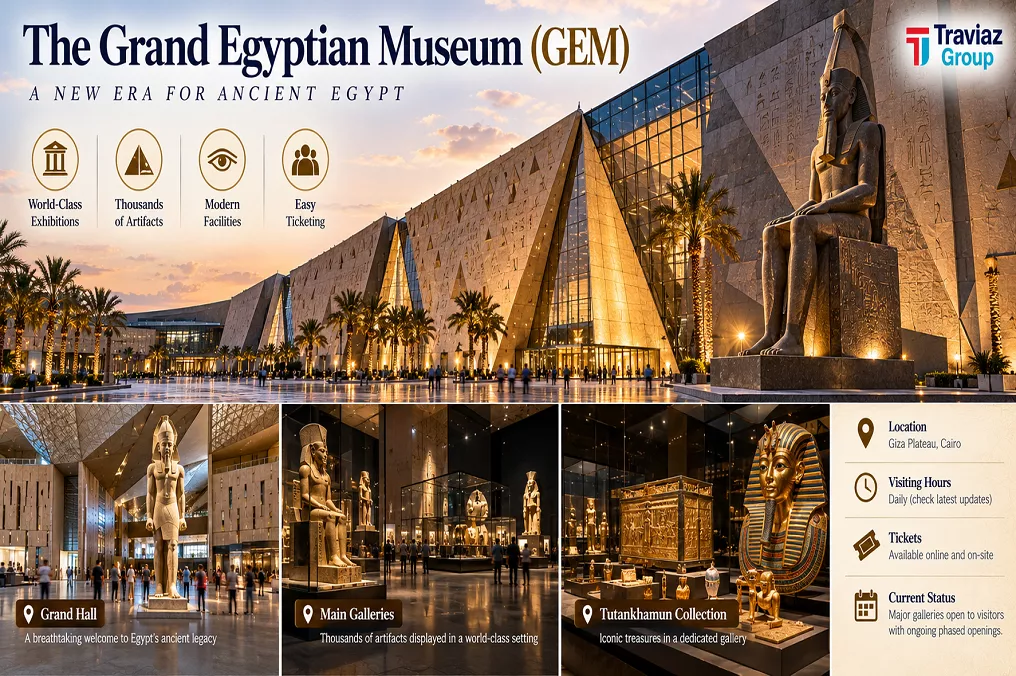
The GEM Complex is open from 8:30 AM to 7:00 PM, with extended hours until 10:00 PM on Wednesdays and Saturdays. The galleries themselves are open from 9:00 AM to 6:00 PM, with the last ticket purchase at 5:00 PM. Tickets have been available exclusively online since December 2025 and are in high demand following the full opening.
Plan for a minimum of six hours to cover the major exhibition halls at a comfortable pace. For museum lovers and history enthusiasts who want deeper context, a full day is worth considering. The size of the museum means that arriving without a guide often results in missing the most significant artifacts entirely, the surgical tools, the cosmetic implements, and the engineering drawings are distributed across multiple galleries without an obvious path between them.
Booking entry through Traviaz guarantees timed access, eliminates the uncertainty of online ticketing, and pairs the visit with a specialist Egyptologist who knows exactly where each invention sits and what it means in its full civilizational context.
Maximizing Your Experience: Why You Need a Private Guide
The Grand Egyptian Museum covers more than 500,000 square meters and holds 100,000 artifacts. The Egyptian Museum in Tahrir holds thousands more. Visiting either alone usually means spending the first hour navigating the layout, the second hour reading labels without context, and leaving with a general impression rather than a genuine understanding of what you saw.
A private Egyptologist guide changes the experience structurally. Instead of moving through galleries in sequence, the visit is built around what you specifically came to see — the surgical instruments from the Edwin Smith Papyrus era, the cosmetic implements that tell the story of ancient Egyptian chemistry, the architectural models that explain how the pyramids were actually constructed. The guide reads the artifact labels in their original language, connects each object to the civilizational context that makes it meaningful, and knows which galleries are worth an hour and which can be covered in ten minutes.
For travelers who want to understand rather than simply see, a private guide is not optional. Traviaz provides specialist Egyptologist guides for both the Grand Egyptian Museum and the Egyptian Museum in Tahrir, bookable as standalone visits or as part of a broader Egypt itinerary.
Where Can I Experience an Authentic Papyrus Making Tour in Cairo?
Most papyrus sold in Cairo's tourist markets are not papyrus at all. It is banana leaf or rice paper printed with Egyptian motifs, cheaper to produce, easier to fake, and impossible to distinguish without knowing what to look for. Genuine papyrus is made from the Cyperus papyrus plant that grows in the Nile Delta, is thicker and more textured than imitation versions, and holds ink differently when you run a fingertip across the surface.
The Papyrus Institute near Giza is a government-approved museum and workshop where visitors can watch skilled artisans create authentic papyrus scrolls using traditional methods that date back thousands of years. The process begins with harvesting the stalks of the Cyperus papyrus plant, cutting them into thin strips, soaking the strips to release the natural sugars that act as a binding agent, pressing them in crosshatched layers, and drying the result under pressure until it becomes the surface the ancient Egyptians wrote on. Staff at the institute talk visitors through the entire process, including a live demonstration of exactly how it is made.
Private educational tours of papyrus workshops in Cairo are designed as cultural experiences rather than sales visits, meaning you follow the process from beginning to end without pressure to buy anything. Traviaz arranges vetted papyrus making tours as part of its Cairo cultural itineraries, pairing the workshop visit with a specialist guide who explains the connection between papyrus production and the broader history of ancient Egyptian writing and administration. Booking through a vetted provider guarantees you are visiting an authentic workshop rather than a tourist trap selling imitation products.
Conclusion
Ancient Egypt was not simply a civilization of pyramids. It was a civilization of inventive minds that responded to real challenges with solutions so effective that much of what they built, wrote, and discovered has never been replaced. The calendar, the lock, the toothpaste, the surgical principles, and the writing surface, all of it started here. Traviaz's specialist Egyptologist guides bring every one of these inventions to life in the museums and sites where the evidence survives.
FAQs
What did the Egyptians invent first?
Writing and papyrus are among the earliest documented inventions, with evidence of hieroglyphic script dating to around 3200 BC. Beer brewing evidence goes back even further, to approximately 3100 BC at sites including Abydos. Both emerged as practical responses to the same agricultural revolution that the Nile made possible.
Are ancient Egyptian tools kept in the Cairo Museum?
Yes. The Egyptian Museum in Tahrir Square holds original surgical instruments, cosmetic implements, agricultural tools, and writing materials including original papyri. The Grand Egyptian Museum in Giza, which fully opened in November 2025, now holds the largest single collection of ancient Egyptian artifacts in the world, including tools and implements across all eleven categories covered in this guide.
How did ancient Egyptians invent paper?
They did not invent paper in the modern sense but developed papyrus, a functionally similar writing surface made from the stalks of the Cyperus papyrus plant. Stalks were cut into thin strips, soaked, pressed in crosshatched layers, and dried under pressure. The result held ink, could be rolled into scrolls, and remained the dominant writing surface in the ancient world for more than three thousand years.
How can I incorporate specialized artifact viewings into a broader Egypt vacation itinerary with Traviaz?
Traviaz builds custom Egypt itineraries that combine museum visits to the Grand Egyptian Museum and the Egyptian Museum in Tahrir with archaeological site visits to Karnak, the Valley of the Kings, and Giza, papyrus making tours in Cairo, and Nile cruise itineraries that connect the major temple complexes. Each component is led by specialist Egyptologist guides.